
‘Only a Handful Ever Recorded’: Gorilla’s Emergency C-Section Stuns Experts
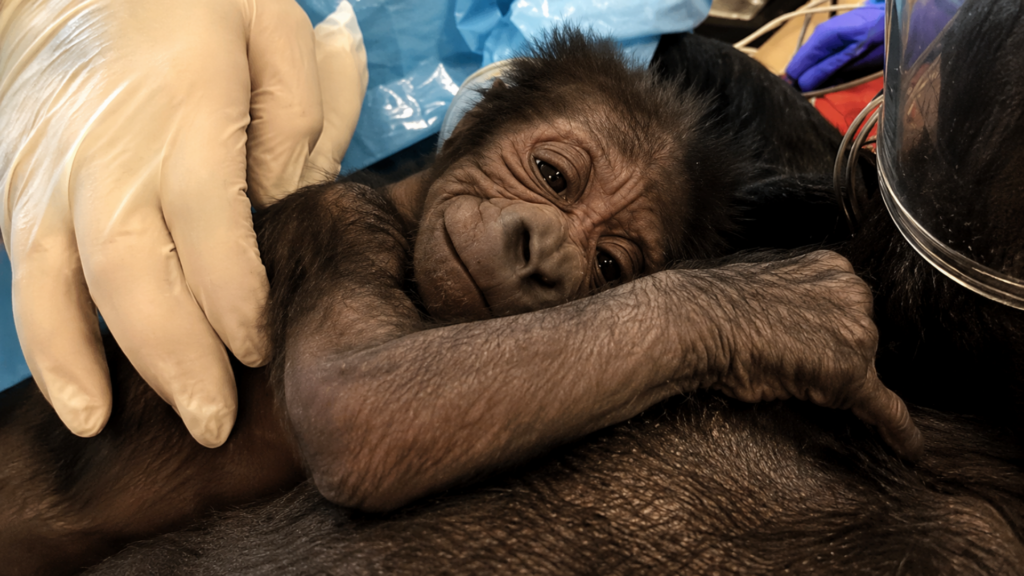
Fewer than a dozen gorillas in recorded history have been delivered by cesarean section. On May 24, 2026, that number grew by one. At Seattle’s Woodland Park Zoo, a western lowland gorilla named Olympia was five days past her due date when medical staff detected dangerous complications. A surgical team that ordinarily treats human patients scrubbed in for one of the rarest operations in veterinary history, and the clock was running.
Two Mothers, One Father, One Very Anxious Zoo
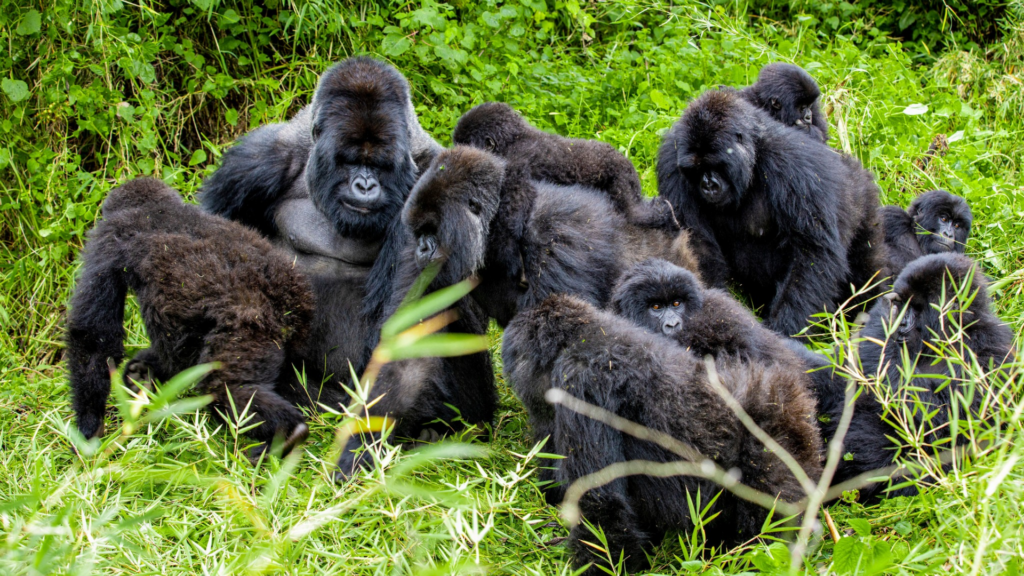
Olympia was not the only gorilla at Woodland Park Zoo expecting a baby. Her troop-mate Jamani had already delivered a healthy son on May 18, six days earlier. Both females were carrying offspring of the same silverback, a male named Nadaya. When Jamani’s birth went smoothly, attention shifted entirely to Olympia. Her due date passed without any sign of labor, and concern among zoo staff began to build quickly.
The Warning Signs Nobody Could Ignore
Gorillas do not announce their distress the way humans do. Zookeepers had to read Olympia’s behavior carefully, and what they observed was troubling: labor appeared to have stalled entirely. Veterinarians transported her by ambulance to the zoo’s medical facility and ran an ultrasound, which confirmed the worst. According to Dr. Tim Storms, director of animal health at Woodland Park Zoo, Olympia had low amniotic fluid and an incompletely dilated cervix, a combination that made natural delivery impossible.
The Technology That Made It Possible
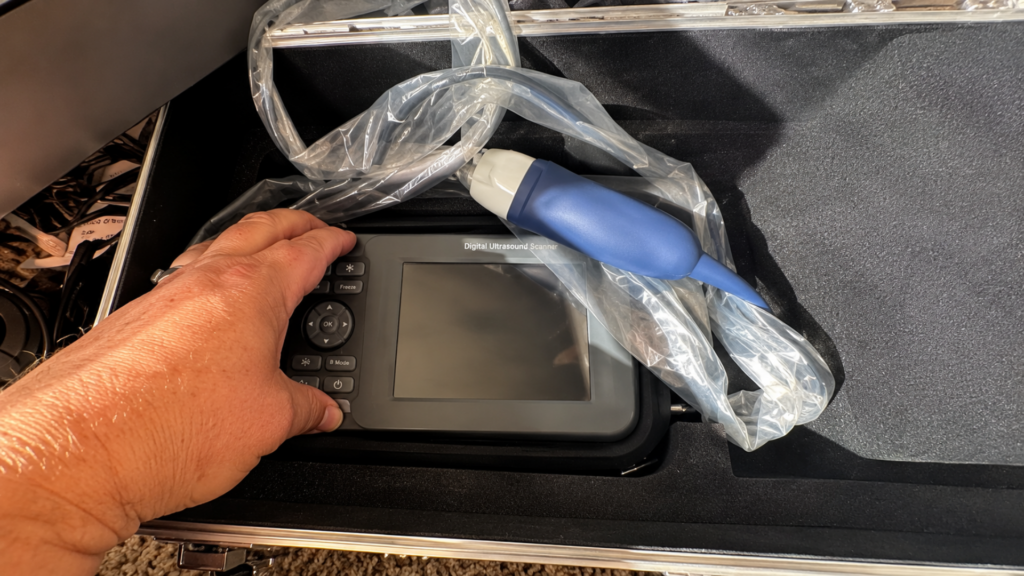
The decision to operate relied heavily on a handheld ultrasound device called the Butterfly probe. Dr. Sachita Shah, an emergency physician and VP of Global Health at medical equipment manufacturer Butterfly Network, had been using it to monitor both pregnancies throughout. According to Shah, gorilla fetal ultrasounds look strikingly similar to human ones. The probe tracked the baby’s heart rate, fluid levels, and position in real time, giving the medical team the precise information needed to act decisively.
When Human Surgeons Operate on a Gorilla
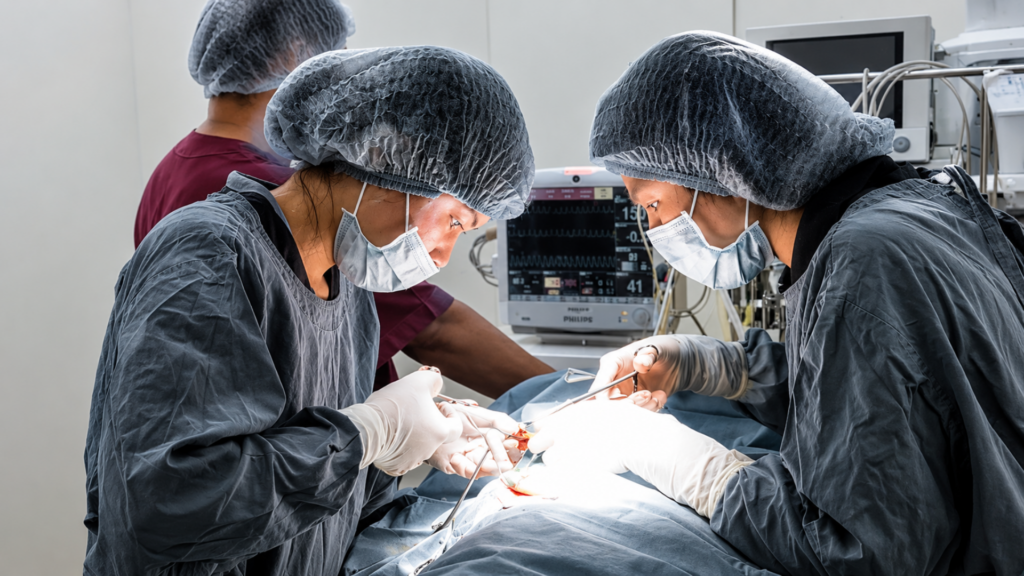
The surgical team assembled for the procedure came from Swedish Medical Center and included Dr. Emily Norland, Chief of OBGYN; Dr. Suzanne Peterson, Program Director of the OBGYN Residency Program; and nurse Lily Pang. All of them typically operate on humans. Joining them were the zoo’s own veterinarians and support from King County Medic One. The procedure had no complications. At 1:44 p.m., Olympia’s son entered the world weighing 5.4 pounds, notably heavier than the gorilla average of around four pounds.
Keeping a Baby Alive After Surgery
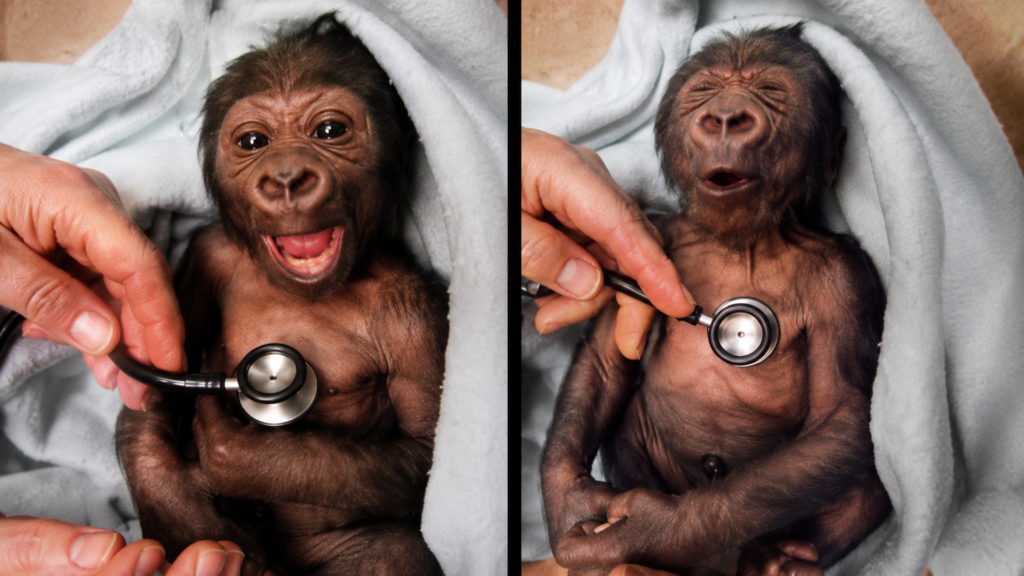
The moment the newborn was delivered, a separate medical team took over. Dr. Andrew Beckstrom, neonatologist and Medical Director of the Swedish Medical Center NICU, led the infant’s stabilization alongside Dr. Shah and the zoo’s veterinary staff. Shah used the Butterfly probe throughout the resuscitation process to monitor the baby’s heart rate, serving as the primary vital sign during those critical first minutes. The same device that flagged the emergency before surgery became the anchor of the newborn’s earliest care.
A Mother Kept Close, Even From a Distance
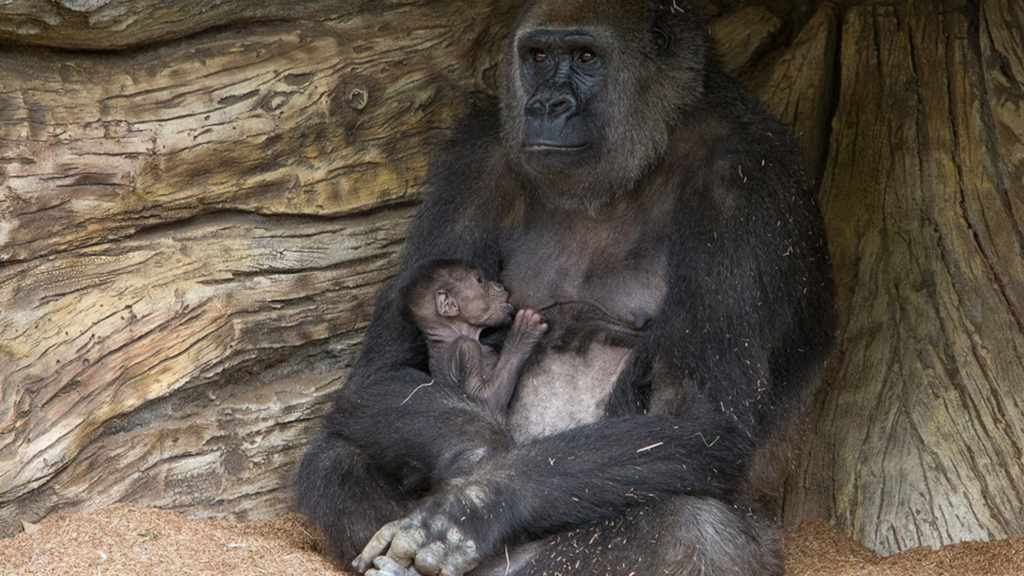
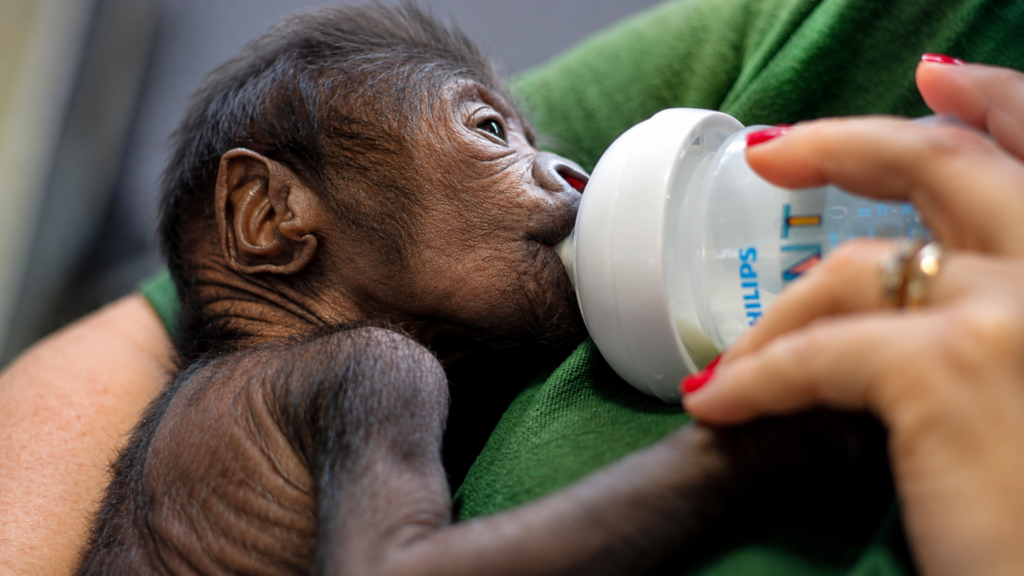
Because a C-section is major surgery, Olympia spent the first night recovering separately from her newborn. The separation was kept as short and as gentle as possible. A gorilla keeper and a veterinary technician cared for the baby in a den directly beside Olympia’s, where she could see, hear, and smell her son throughout the night. The arrangement was deliberate: bonding begins with proximity, and zoo staff wanted Olympia’s recovery to begin alongside an awareness of her baby, even before she could hold him.
The Troop Steps In
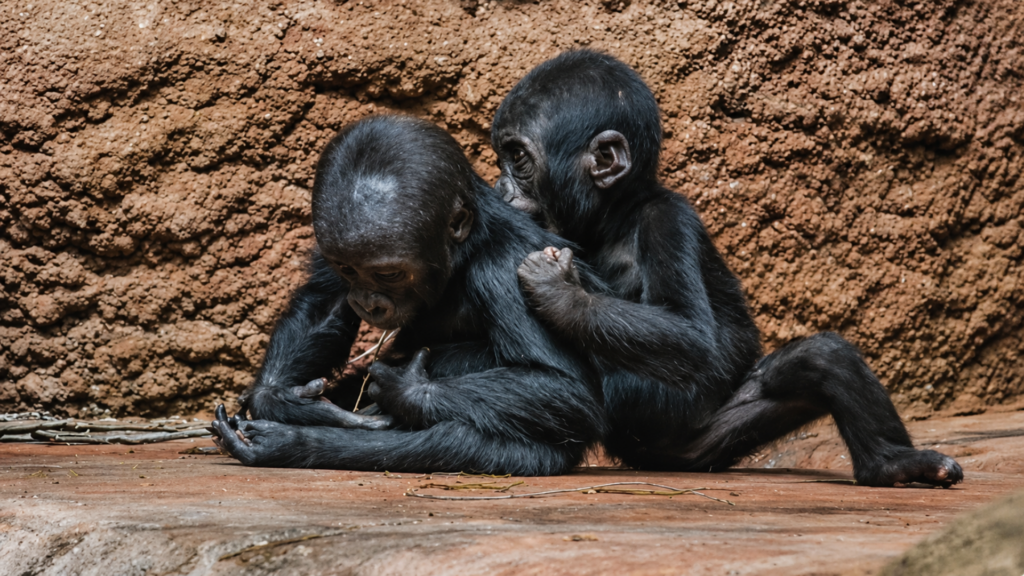
Western lowland gorillas are deeply social animals, and Olympia’s troop responded accordingly. While she recovered from surgery, fellow mother Jamani took on the care of both infant boys simultaneously, nursing and tending to Olympia’s son alongside her own. According to Martin Ramirez, Curator of Mammalogy at Woodland Park Zoo, the plan is to maintain this arrangement until Olympia shows clear readiness to reunite with her baby. The zoo confirmed both infants are healthy and being monitored around the clock.
Why These Two Births Matter Beyond Seattle
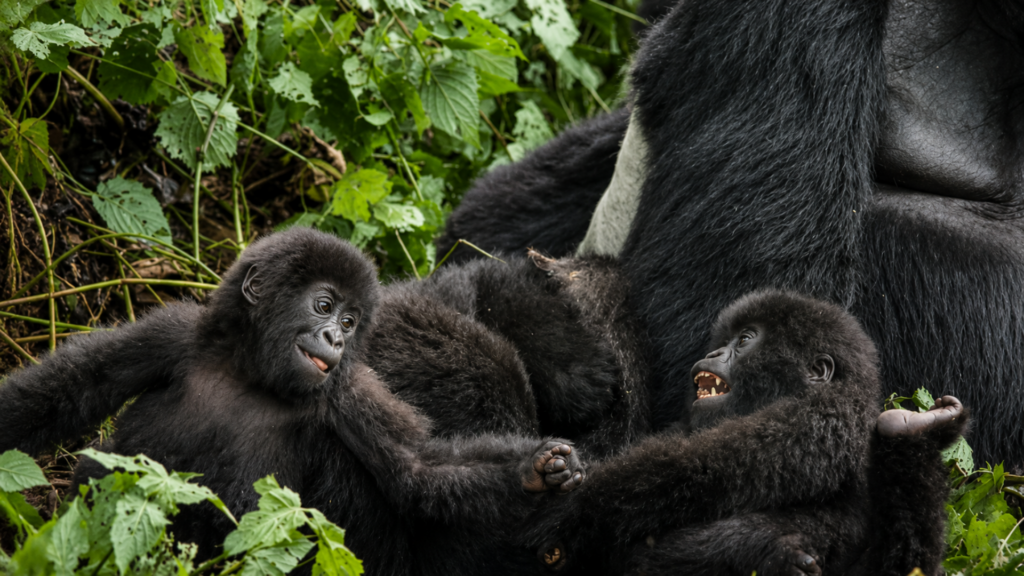
Western lowland gorillas are classified as critically endangered by the IUCN. Their population, estimated at around 360,000 in the wild, has fallen by more than 60% over the past two decades due to poaching, habitat destruction, and disease outbreaks including Ebola. Fewer than 700 live in zoos worldwide. Each birth in a managed care setting carries conservation weight. Woodland Park Zoo is now home to 13 western lowland gorillas across two family groups, and both new additions represent a meaningful gain for the species.
What Survival Looks Like
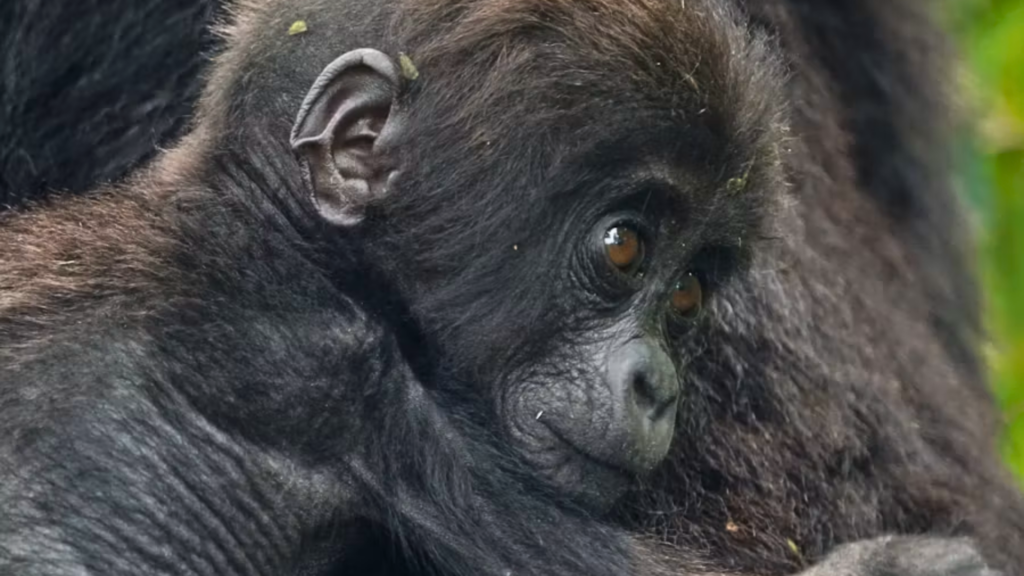
In the space of one week, Woodland Park Zoo welcomed two gorilla births from the same troop, one straightforward and one that required a feat of cross-species medical collaboration almost without precedent. Olympia’s son is only the latest in fewer than a dozen gorillas ever delivered by cesarean section. He is also the first in the zoo’s 126-year history. His arrival is a testament to what becomes possible when wildlife care, human medicine, and years of preparation converge at exactly the right moment.
PetsFanatic Team
Pet Care Expert & Content Creator
Passionate about sharing knowledge and tips for better pet care. Writing about everything from pet health to training techniques.