
One Oregon Wildfire Has Burned Over 92,000 Acres as Fire Danger Grows Across the West

What began as scattered lightning strikes has rapidly turned into one of Oregon’s most intense wildfire outbreaks in recent years. Across the state, dozens of major fires are burning, hundreds of thousands of acres have already been scorched, thousands of residents are facing evacuation notices, and firefighters are stretched across multiple counties. Among the largest blazes is the Hay Creek Complex, which has grown beyond 92,000 acres, highlighting how quickly favorable fire conditions can transform small ignitions into massive wildfires.
The Hay Creek Complex Has Become One of Oregon’s Largest Fires

The Hay Creek Complex, which consists of five separate fires across Sherman and Gilliam counties, has burned more than 92,000 acres. While firefighters have improved containment to roughly 27%, more than 800 personnel remain assigned to the complex as crews continue extinguishing hotspots. Cooler temperatures and scattered rain recently helped slow fire behavior, but officials warn that warmer weather and additional lightning could quickly reverse that progress.
Lightning Sparked Many of the Biggest Fires
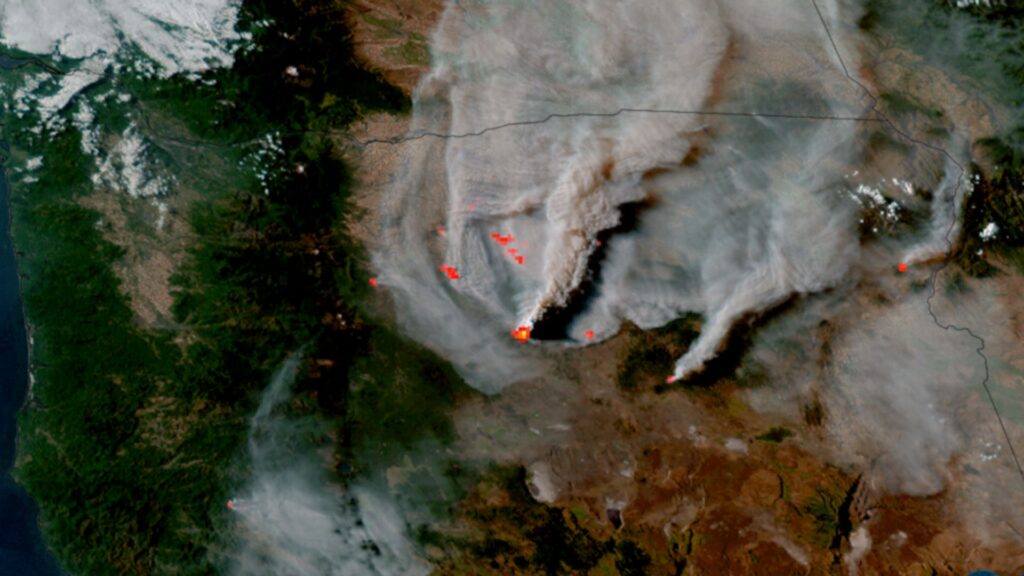
Many of Oregon’s largest fires began after thousands of lightning strikes swept across Oregon and Washington last week. Initially, many fires remained relatively small, but several days of hot temperatures, dry vegetation, and gusty winds allowed them to explode in size. Weather experts say the lightning outbreak created dozens of new fire starts almost simultaneously, overwhelming firefighting resources throughout the Pacific Northwest.
Firefighters Are Battling Multiple Massive Complexes at Once

The Hay Creek Complex is only part of the challenge. The nearby Rowe Creek Complex has expanded to nearly 150,000 acres, making it one of Oregon’s largest active fires. Other rapidly growing incidents include the Brewer Fire, Henry Fire, Coyote Fire, Akawa Butte Fire, East Evans Creek Fire, and Powder River Fire, each requiring crews, aircraft, and heavy equipment. With so many large incidents burning simultaneously, Oregon has become the nation’s top firefighting priority.
Evacuations Continue Across Several Counties

The fires have forced widespread evacuation orders throughout Central and Eastern Oregon. Thousands of residents have been placed under Level 3 “Go Now” evacuations, while others remain under Level 1 and Level 2 alerts as fire conditions change. Emergency shelters have opened in several communities, and officials continue urging residents to monitor local alert systems because evacuation zones can expand with little warning.
Smoke Is Becoming a Health Hazard

Even communities far from the flames are feeling the effects. Thick wildfire smoke has triggered air-quality advisories across numerous Oregon counties, with cities including Bend, Baker City, and Prineville experiencing unhealthy or very unhealthy conditions. Health officials recommend limiting outdoor activity, keeping windows closed, and using air filtration when possible, especially for children, older adults, and people with respiratory conditions.
Firefighters Could Soon Face Another Challenge

While rain would normally offer relief, forecasters say the approaching weather system could bring another serious threat: dry lightning. The National Weather Service warns that thunderstorms moving across Oregon may produce enough lightning to ignite additional fires even if rainfall is limited. Meteorologist Rebecca Muessle described the forecast as a potential turning point, saying the storms could either help firefighters or create an entirely new round of wildfire starts.
Oregon Is Running Short on Firefighting Resources

The sheer number of simultaneous fires has stretched available crews across the state. Oregon officials say firefighting resources are spread extremely thin, prompting assistance from California, federal agencies, and Canadian partners through the Northwest Fire Fighting Compact. Although additional firefighters and aircraft have arrived, officials continue prioritizing resources where lives and communities face the greatest risk.
Could California Experience the Same Situation?

Experts say California is firmly in wildfire season, but the conditions that fueled Oregon’s explosive outbreak are not currently aligned across the state on the same scale. Oregon entered last week’s lightning event with widespread drought and unusually dry vegetation, creating ideal conditions for rapid fire growth. Northern California remains vulnerable, particularly near the Oregon border, but forecasters do not expect the same kind of widespread lightning outbreak that sparked dozens of Oregon fires.
The Weeks Ahead Could Define Oregon’s Fire Season

With hot weather expected to continue and thunderstorms still in the forecast, officials say Oregon’s wildfire season is far from over. Every new lightning strike, human-caused ignition, or shift in the weather could reshape the battle already unfolding across the state. For firefighters, emergency managers, and residents alike, the coming days may determine whether recent containment gains hold or whether another wave of major fires emerges before summer reaches its peak.
PetsFanatic Team
Pet Care Expert & Content Creator
Passionate about sharing knowledge and tips for better pet care. Writing about everything from pet health to training techniques.