
One of the World’s Largest Jellyfish Species Appears Off the Coast of Cape Cod
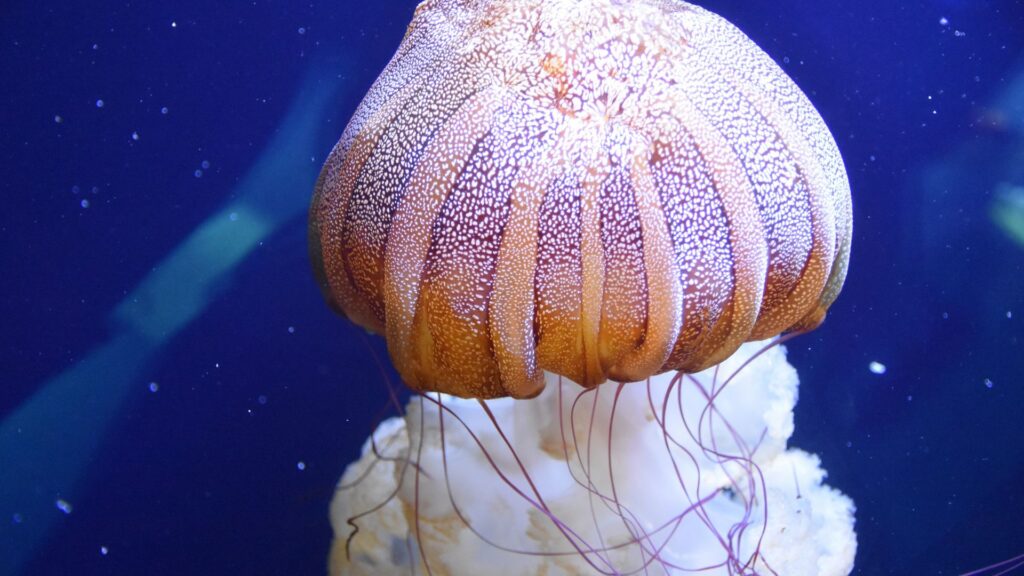
Beachgoers around Cape Cod are being advised to remain alert after lion’s mane jellyfish began appearing in unusually large numbers. The species is regularly seen in New England from late spring through summer, but local reports started in May, with particularly high concentrations observed by mid-June.
The lion’s mane jellyfish, scientifically known as Cyanea capillata, ranks among the largest jellyfish species on the planet. Although most are much smaller, exceptional specimens can grow more than seven feet across and develop tentacles stretching close to 100 feet. Their reddish-brown coloring may be visible at the surface, but their thin tentacles can be difficult to notice underwater.
These jellyfish live mainly in the colder parts of the Atlantic, Pacific and Arctic oceans, as well as the Baltic and North Seas. Their presence near Massachusetts is not unusual by itself. What has drawn attention this summer is the number gathering along the coast, prompting warnings from marine experts and local officials. CBS News Boston reported that similar concentrations were last observed in the state in 2020.
Why So Many Jellyfish Are Gathering Near Cape Cod

Jellyfish do not travel through the ocean like fish. While they can pulse their bells to control some movement, they largely depend on currents, tides, and wind. A favorable combination of these forces can carry many of them toward the same coastal area, including beaches and harbors where people are more likely to encounter them.
Water temperature may also influence their development and location. Warmer or changing conditions can affect their life cycle and alter the availability of plankton and other food. When food is plentiful and the surrounding environment is suitable, larger groups can form in what is commonly called a jellyfish bloom.
However, experts have not identified one definite cause behind the current increase. Cape Cod has a complex and constantly changing marine environment, so currents, temperature, and food supply may all be contributing. Similar blooms have happened before, which suggests that the phenomenon can develop when several local conditions come together.
Their Long Tentacles Create a Hidden Risk
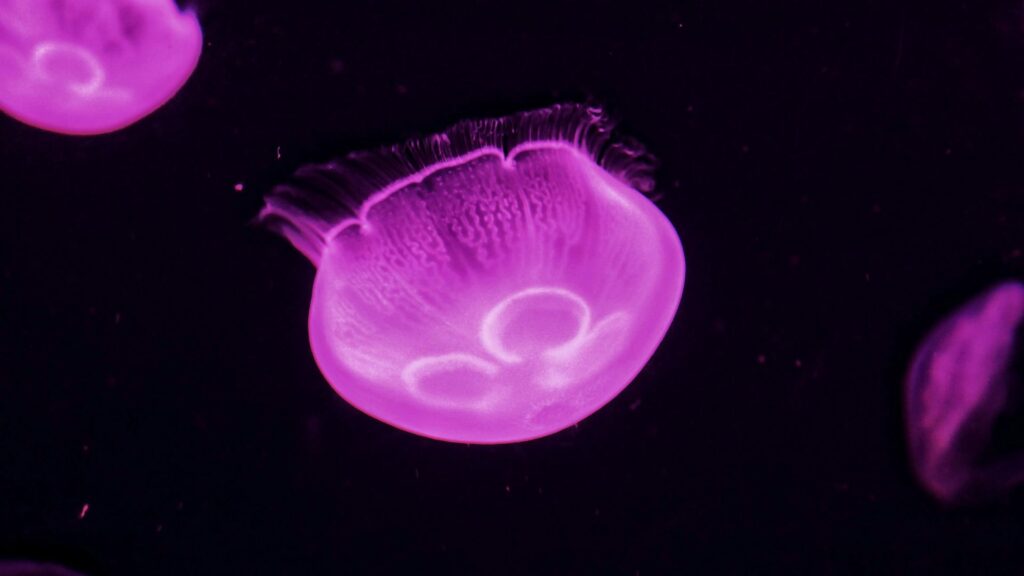
Lion’s mane jellyfish use stinging cells in their tentacles to capture small fish and other prey. Contact with those tentacles can also cause a painful reaction in people. Most stings are not life-threatening, but they may produce burning pain, redness, swelling, or irritation that lasts beyond the initial encounter.
The greatest concern is that the tentacles are long, delicate, and difficult to see in the water. A swimmer does not have to touch the jellyfish’s bell to be stung. Detached tentacles may remain capable of releasing venom, and jellyfish washed onto the beach can still pose a risk.
The New England Aquarium has encouraged visitors to observe these animals only from a safe distance. Swimmers should pay attention to posted notices, speak with lifeguards, and avoid entering an area where several jellyfish have been reported. Any sightings near a public beach should be shared with staff so others can be warned.
A Safe Distance Remains the Best Protection
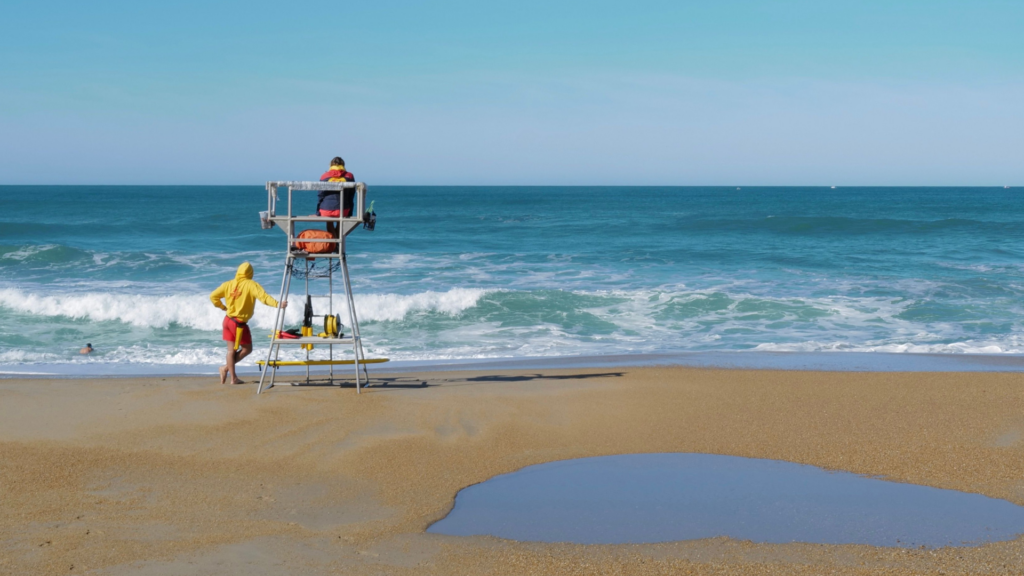
Anyone who is stung should leave the water and alert a lifeguard or another responsible person. Visible tentacles can be carefully lifted away with fine tweezers, without touching them directly or rubbing the affected skin. The area can then be soaked in hot water that is comfortable but not scalding until the pain begins to ease. Mayo Clinic recommends a temperature of approximately 110 to 113 degrees Fahrenheit for 20 to 45 minutes.
Fresh water, urine, alcohol, vigorous scraping, and rubbing with a towel should be avoided because these methods may irritate the area or trigger additional stinging cells. Advice about vinegar differs depending on the jellyfish species, so beachgoers should follow the instructions provided by local lifeguards or medical professionals rather than treating every sting in the same way.
Most people recover with basic first aid, but breathing problems, chest pain, weakness, severe swelling, or a widespread reaction require immediate medical attention. For everyone else, awareness is the most effective defense. Lion’s mane jellyfish are remarkable marine animals, yet their nearly invisible tentacles make them safest to appreciate from a generous distance.
PetsFanatic Team
Pet Care Expert & Content Creator
Passionate about sharing knowledge and tips for better pet care. Writing about everything from pet health to training techniques.