
Officials Tell Americans to Start Eating These Wild Animals Taking Over Ecosystems

Ever wondered what iguana stew tastes like, or what people do with a giant wetland rodent called nutria? Federal wildlife officials now point Americans toward an unusual idea because animals spreading across rivers, marshes, and forests keep damaging habitats, which leads to a simple suggestion: put some of them on the dinner table.
Federal Officials Promote Eating Invasive Species

Federal wildlife officials recently offered Americans an unusual way to think about invasive species, and the idea surfaced during National Invasive Species Awareness Week when the U.S. Fish and Wildlife Service suggested putting some of these rapidly spreading animals on the dinner table instead of letting them continue damaging ecosystems.
Nutria Spreading Across U.S. Wetlands
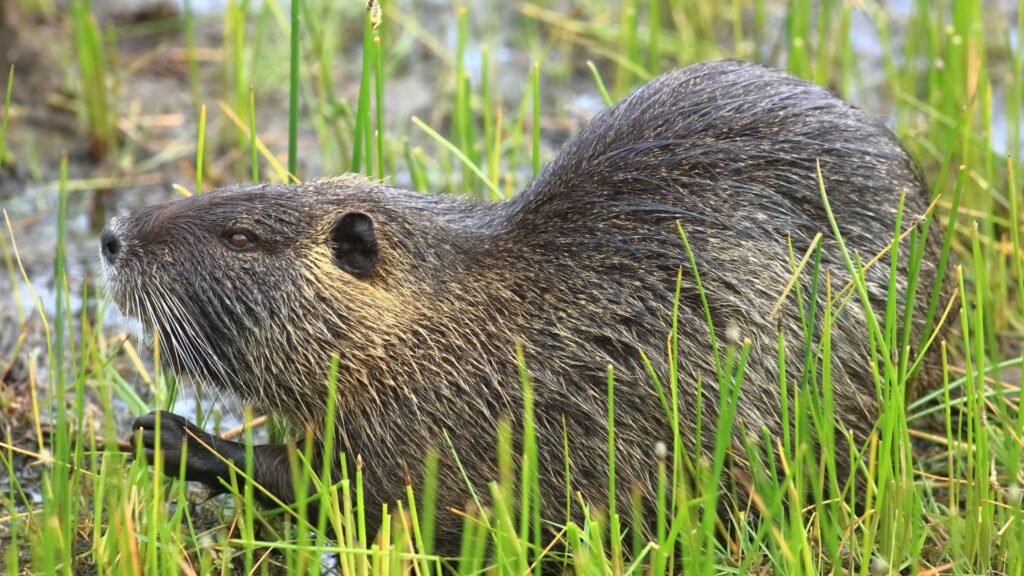
Nutria did not start in North America, and its history traces back to South America, where the large semi-aquatic rodents originally lived before fur traders brought them into the United States decades ago. Over time, the animals spread through coastal wetlands along the Gulf Coast, Atlantic shoreline, and parts of the Pacific Northwest, where their heavy feeding now tears through marsh vegetation and steadily strips away fragile wetland habitats.
Northern Snakehead Fish Expanding In U.S. Rivers
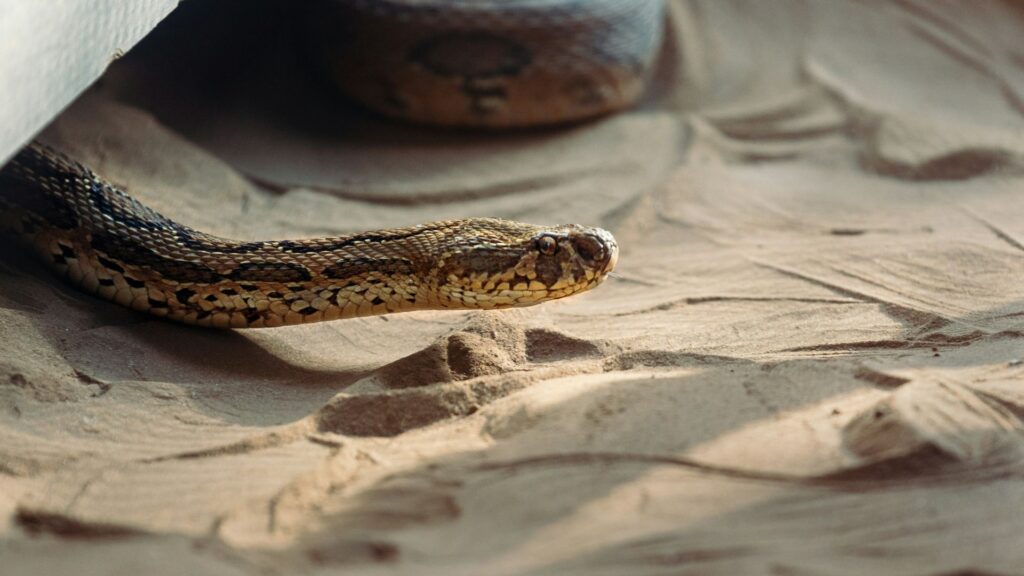
Northern snakehead fish first came from East Asia, and that origin now connects to waterways across the Mid Atlantic and parts of the Southeast, where the species keeps appearing in rivers and lakes. The fish can breathe air and survive outside water for days, so that unusual ability helps them spread while competing with native fish for food and habitat.
Invasive Carp Overtaking American Waterways

Invasive carp arrived from East Asia years ago, and populations now fill rivers and lakes across the Midwest and Southeast. Bighead, silver, black, and grass carp grow rapidly in these waters. High numbers crowd native fish and consume shared food sources, which steadily alters the balance inside many freshwater ecosystems.
Green Iguanas Damaging Coastal Infrastructure

Green iguanas came from Central and South America, and populations now appear across Florida and other warm regions where the reptiles feed on native vegetation. Burrowing behavior follows that spread, and those tunnels weaken seawalls and other coastal structures that communities rely on to hold shorelines in place.
Wild Boars Tearing Up Farmland And Forests
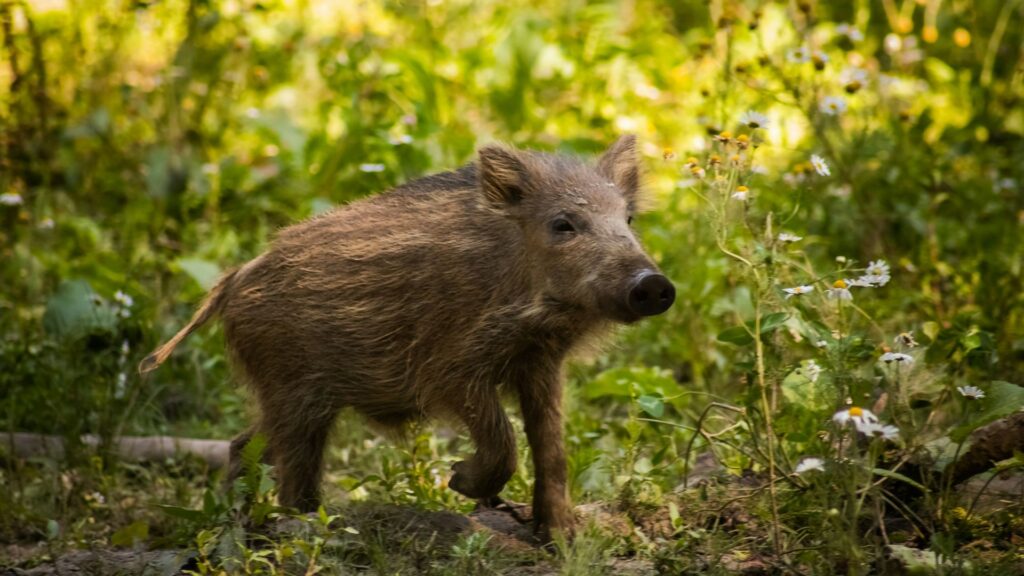
Wild boars now spread across wide parts of the United States, especially through the Southeast, Texas, and California, where large populations keep expanding. Farmers and land managers keep encountering the damage because the animals root through soil, trample vegetation, and tear across farmland, forests, and wetlands.
Invasive Species Threaten Native Wildlife And Habitats

Invasive species keep spreading through American ecosystems, and federal wildlife officials say the problem reaches far beyond nuisance animals because these species compete with native wildlife for food, overrun habitats, and alter natural environments that local plants and animals depend on for survival.
Wildlife Agency Urges Hunters To Check Local Regulations

Hunters across many states already pursue invasive animals like wild boar, carp, and snakehead as part of population control efforts. The U.S. Fish and Wildlife Service advises checking state hunting regulations before heading out, since seasons, permits, and handling rules vary depending on the species and location.
Turning Invasive Species Into A Conservation Meal
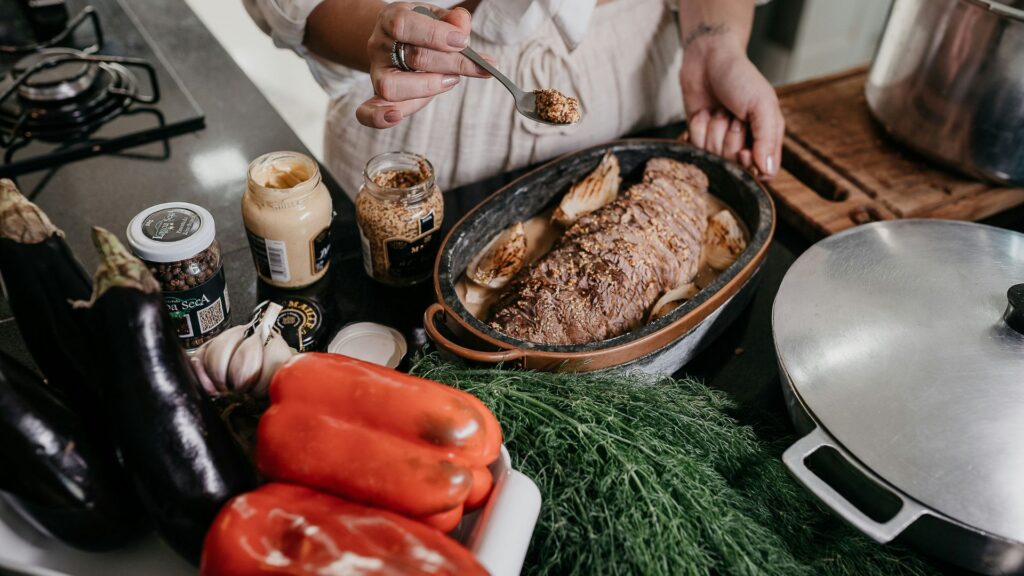
Wildlife officials continue warning that invasive animals keep spreading across wetlands, rivers, and forests in the United States. Federal agencies now encourage people to catch, hunt, and cook certain species. Every harvested animal removes pressure from habitats, and that effort gradually slows the damage spreading across native ecosystems.
PetsFanatic Team
Pet Care Expert & Content Creator
Passionate about sharing knowledge and tips for better pet care. Writing about everything from pet health to training techniques.