
Officials Face a Tough Choice Between Protecting a Threatened Fish and Producing Power
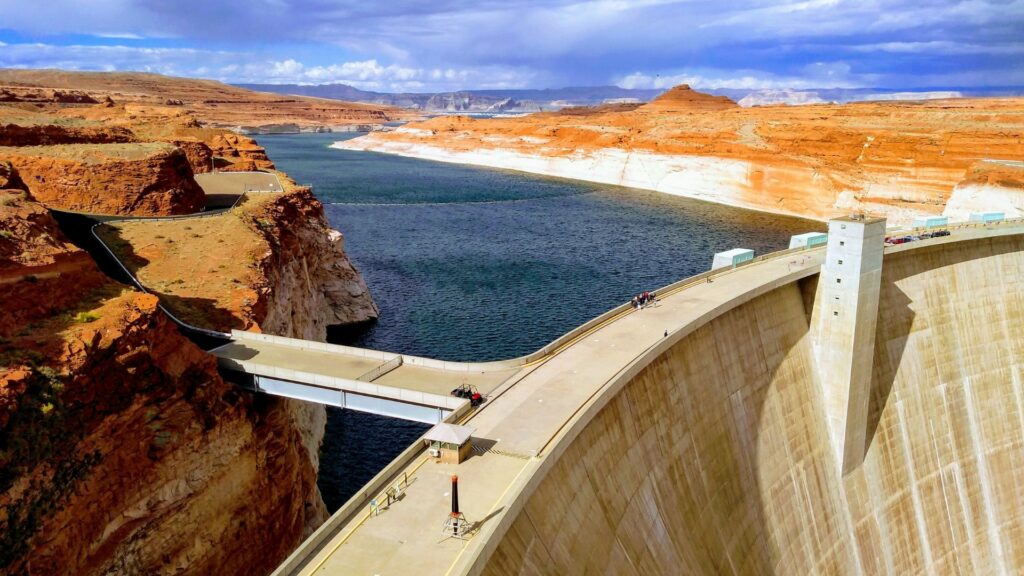
Federal officials have decided not to release cold water from Lake Powell this summer, a move that will leave a threatened native fish more exposed to an invasive predator downstream. The Bureau of Reclamation confirmed the change this week, citing strain on the Colorado River’s power system. The choice affects millions of people who depend on the river for both electricity and drinking water.
At the center of the decision is Glen Canyon Dam in northern Arizona, which sends water from Lake Powell into the Grand Canyon. For the past two summers, the agency added extra cold water from deep in the reservoir, a practice known as cool mix, to keep invasive smallmouth bass from spawning near the humpback chub, a native fish still protected under the Endangered Species Act.
This year, Reclamation is skipping cool mix as Lake Powell sits at less than a quarter of its capacity, following the worst snowpack on record for a river basin that serves more than 40 million people across seven states. Officials say diverting water away from the dam’s turbines during a power shortage carries real costs, weighing wildlife protection against the electricity bills of millions of Western customers.
How Cool Mix Water Worked to Slow the Bass Invasion
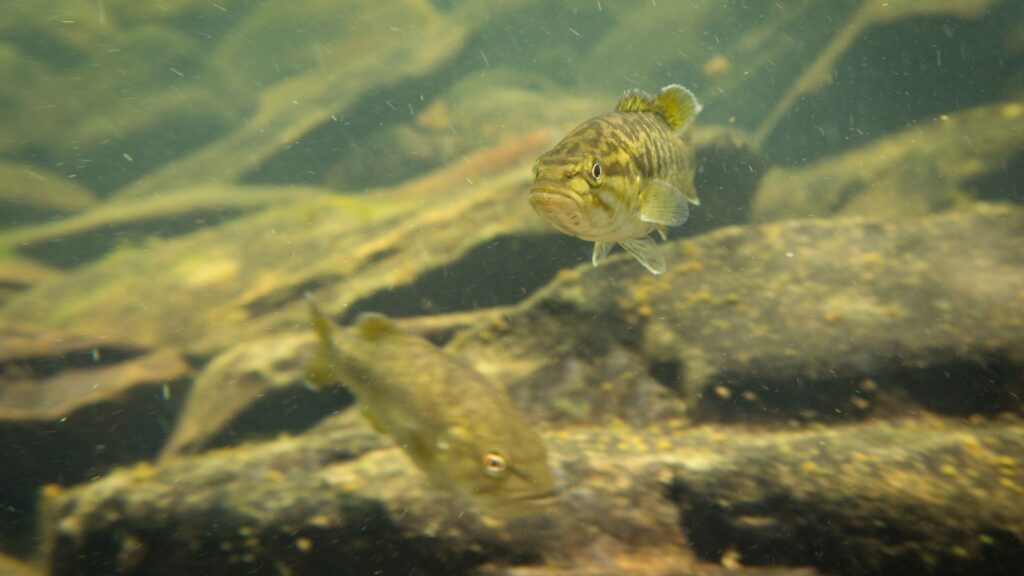
Smallmouth bass were introduced to Lake Powell in the 1980s for sport fishing. As the reservoir has shrunk, its warm surface water has crept closer to the dam’s intakes, and some bass are believed to survive the trip through the turbines. By 2022, they had begun spawning in the river above Lees Ferry, threatening young humpback chub nearby, prompting emergency removal efforts.
Since 2024, cool mix has used bypass tunnels to pull colder water from deeper in Lake Powell instead of routing it all through the power plant. The method worked, suppressing bass reproduction for two summers, though adult bass remained in the river. It also meant less electricity generated at the dam during peak demand months. Reclamation typically considers cool releases once river temperatures pass 60 degrees Fahrenheit for three days.
The Western Area Power Administration estimated cool mix cost more than $20 million over 2024 and 2025 combined, since it had to buy pricier replacement power for customers. With Lake Powell lower this year, WAPA projected the program could cost up to $40 million, a factor officials weighed heavily before deciding to pause it. The river below the dam has hovered near 69 degrees this summer.
Conservation Groups and Anglers Push Back on the Decision
Wayne Pullan, Reclamation’s regional director for the Upper Colorado Basin, shared the news in an email to an advisory work group, according to AP and AZ Central. He wrote that the agency had weighed several management options before settling on other tools this year, pointing to the pressure already facing the region’s power system. The work group advises Reclamation on limiting the dam’s environmental impact.
Matt Rice, southwest director for the conservation group American Rivers, called the decision disappointing but not unexpected. “We’ve proven that the cool mix flows are the most effective way to mitigate the smallmouth bass invasion in the Grand Canyon,” he said, adding that he hopes the pause is “not a death sentence to humpback chub.” He said the group wants solutions that balance wildlife with the river’s power needs.
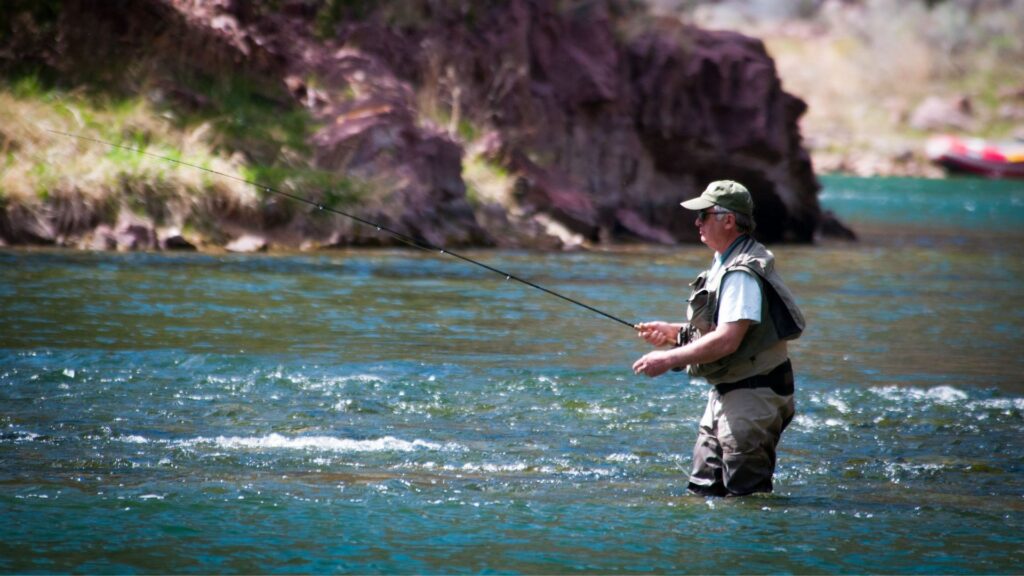
Anglers are worried too. Jim Strogen, who represents Trout Unlimited on Reclamation’s advisory group, said warmer water threatens the rainbow trout fishery near Lees Ferry, a popular recreational spot in its own right, backed by an online petition that drew about 1,700 signatures. “It’s going to kill all or most of the trout,” he said, warning conditions could undo years of recovery for anglers who fish the area.
Utilities and Officials Weigh the Path Forward
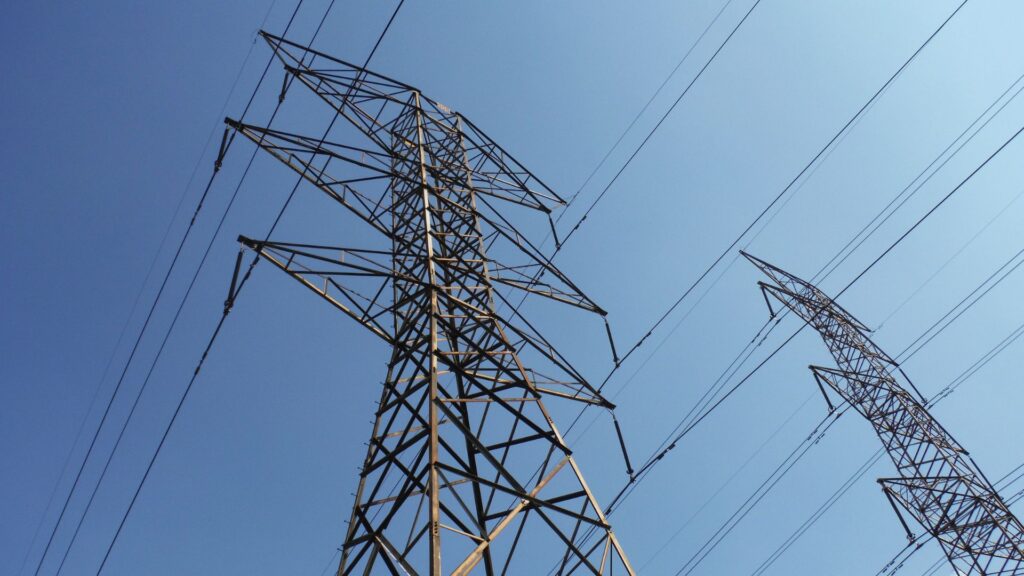
Utilities that buy power from Glen Canyon Dam welcomed the decision. Andy Colosimo, executive director of the Colorado River Energy Distributors Association, which represents about 155 customers, said pausing cool mix reflected the difficult conditions facing the river system and called it the right call given what the basin is facing this year. The group had written to Interior Secretary Doug Burgum in May urging the same outcome.
Reclamation says it plans to keep fighting the bass invasion through other means, including expanded removal efforts, backwater habitat modifications, and evaluation of longer-term barriers, such as an anchored net to block bass and walleye, to keep invasive fish from passing through the dam. Officials are also releasing water from the Green River’s Flaming Gorge Reservoir upstream to help support Lake Powell’s water levels this summer.
Both sides agree that the river is under unusual strain, with a record-low snowpack pushing officials toward trade-offs that once seemed avoidable. Rice hopes to push for cool mix’s return next year, citing the 1992 Grand Canyon Protection Act. Whether that happens may depend on how much water Lake Powell recovers, and how the balance between fish, fisheries, and power holds up under continued shortage across the Colorado River Basin.
PetsFanatic Team
Pet Care Expert & Content Creator
Passionate about sharing knowledge and tips for better pet care. Writing about everything from pet health to training techniques.