
Officials Drain Popular Park Pond After Invasive Fish Are Found
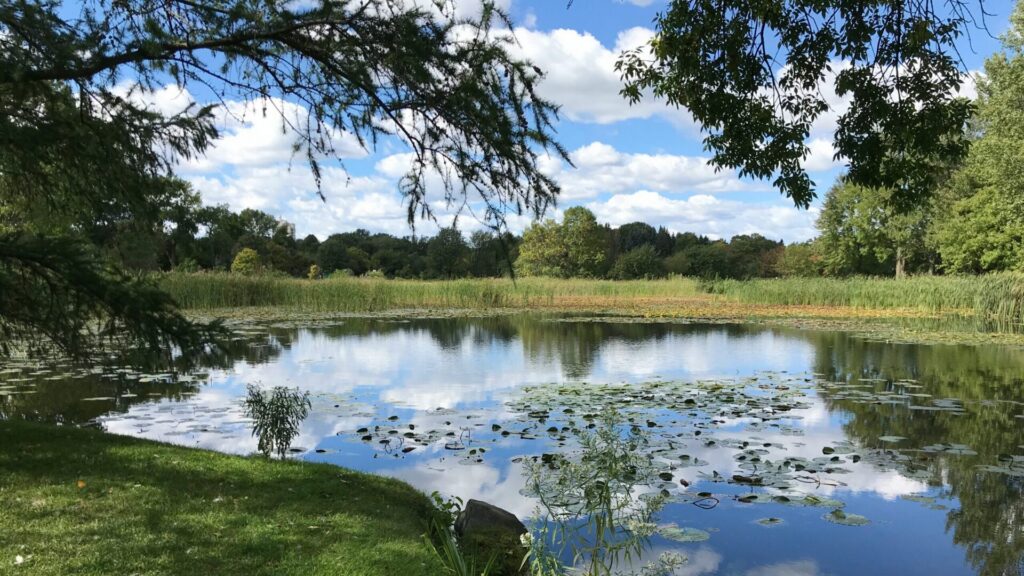
Swift action by local authorities has halted what could have been a serious ecological disruption at a well loved recreation site in Columbus.
After invasive fish were discovered, officials made the decisive move to drain and temporarily close the pond.
The intervention reflects growing urgency around invasive species, which can silently destabilize ecosystems if left unchecked. In this case, early detection proved critical in preventing a larger environmental threat.
Invasive Round Goby Sparks Urgent Environmental Response
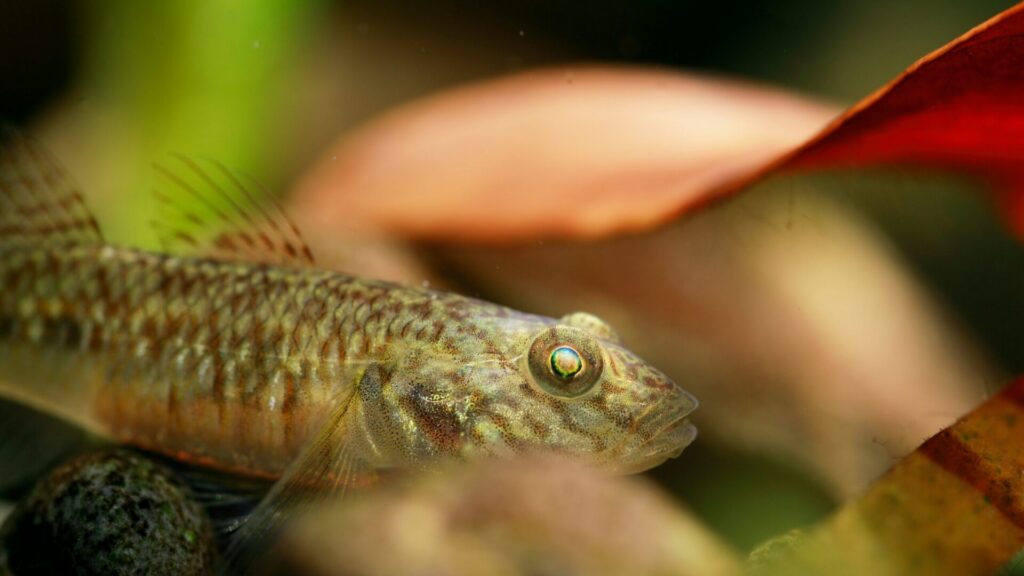
The discovery of the Round Goby triggered immediate concern among wildlife experts. Though small in size, the species is known for its aggressive behavior and rapid reproduction.
Originating from the Black and Caspian Seas, the fish has already caused ecological damage in various freshwater systems. Its presence in a contained pond raised fears that it could spread to larger waterways.
Officials quickly drained the affected site, the Whetstone Casting Pond, to stop the species before it could establish a breeding population.
Rapid Reproduction Raises Risk of Ecosystem Imbalance
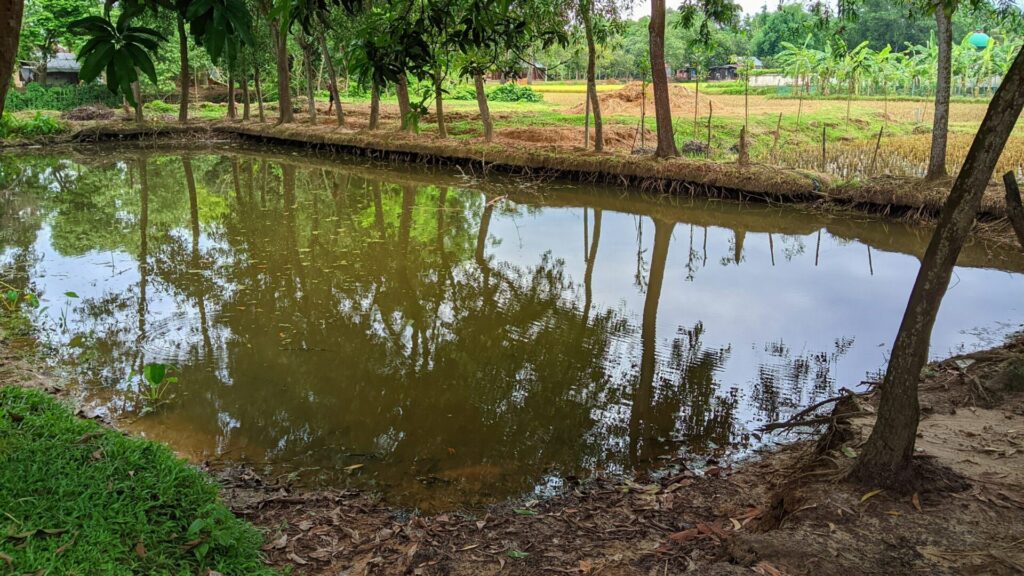
What makes the round goby particularly dangerous is its ability to reproduce multiple times within a single season. Even a small number of fish can multiply quickly and overwhelm native populations.
This imbalance threatens not only biodiversity but also the natural systems that support food chains and water quality. Native fish species, which play vital ecological roles, are often displaced when invasives take hold.
Experts warned that if the fish reached the nearby Scioto River, the consequences could extend far beyond a single pond.
Invasive Species Continue To Pose Economic And Environmental Threats
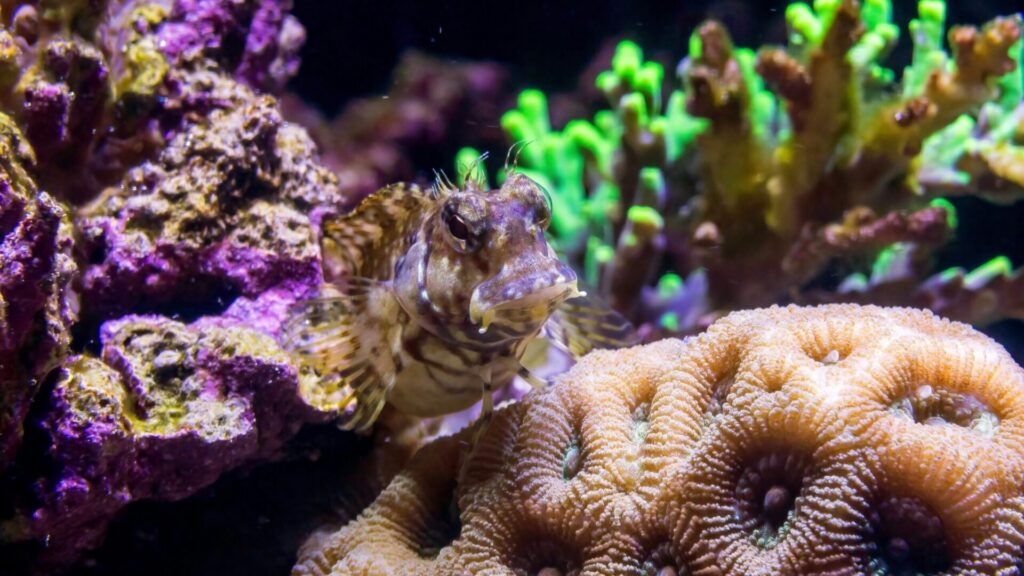
Beyond ecological damage, invasive species carry a heavy financial toll. Estimates from the United States Department of Agriculture suggest that such species have caused more than a trillion dollars in economic losses over the past decades.
Their impact ranges from agricultural disruption to costly control efforts and property damage. Incidents like this highlight how even localized outbreaks can escalate into widespread problems if not addressed quickly.
For now, the pond remains closed as officials work to ensure complete removal of the species, underscoring the importance of vigilance in protecting natural environments.
PetsFanatic Team
Pet Care Expert & Content Creator
Passionate about sharing knowledge and tips for better pet care. Writing about everything from pet health to training techniques.