
Octopus Numbers Explode Off UK Coast in a Comeback Not Seen Since the 1950s
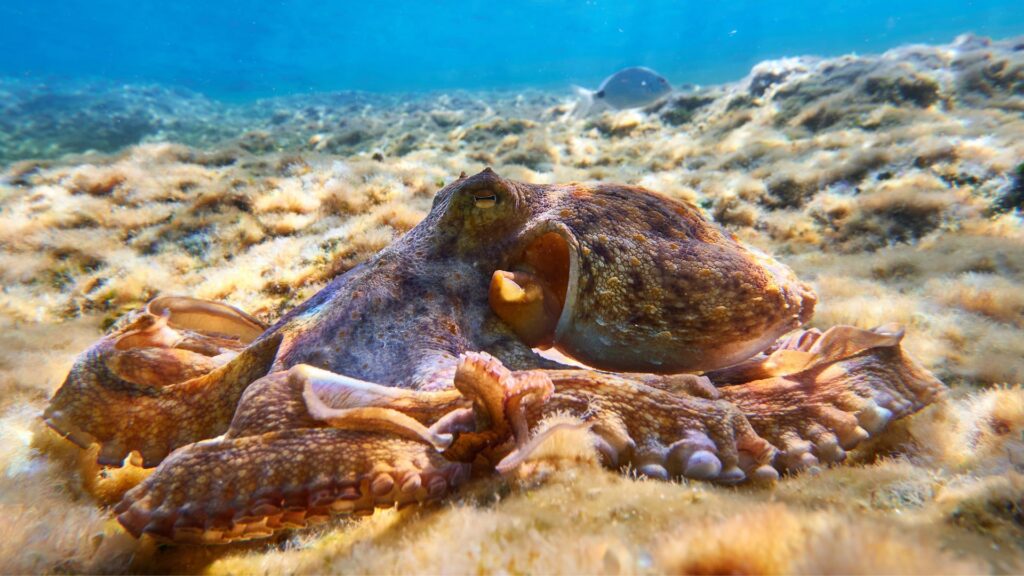
England’s south coast experienced an extraordinary marine event in 2025 when approximately 233,000 common octopuses appeared in waters stretching from Penzance in Cornwall to south Devon, The Guardian reported. Matt Slater, a marine conservation officer at Cornwall Wildlife Trust, said local fishers recorded catches roughly 13 times higher than typical levels in Cornish waters. The Wildlife Trusts responded by declaring 2025 “the year of the octopus” in their annual review of Britain’s seas.
The common or Mediterranean octopus, scientifically known as Octopus vulgaris, is native to UK waters but usually appears in such limited numbers that sightings remain rare. The species ranks among the ocean’s most intelligent invertebrates, according to National Geographic, able to blend seamlessly into surroundings and use unique defensive strategies to thwart attacks. These mollusks play a valuable ecological role by consuming crabs, crayfish, and mollusks, helping keep those populations in balance.
The massive population increase represented the first octopus bloom of this magnitude since 1950, according to records maintained by the UK’s Marine Biological Association. Historical data show that the previous bloom before 1950 occurred in 1900, making these events exceptionally rare. The 2025 phenomenon allowed divers and coastal observers to spot octopuses in shallow waters for the first time in recent history, providing unprecedented viewing opportunities.
Unusual Weather Patterns Created Perfect Breeding Conditions

The octopus bloom resulted from a specific combination of weather conditions that proved ideal for octopus reproduction. A mild winter followed by an exceptionally warm spring in 2025 created circumstances that allowed significantly more common octopus larvae to survive than normal. Slater explained that these temperature conditions likely contributed to higher survival rates during the critical early development stages when octopus larvae face the greatest risks.
The favorable conditions may have been enhanced by another population surge along the south coast. Large numbers of spider crabs have been recorded in recent years throughout the region, potentially providing abundant food sources for developing octopuses. This combination of mild temperatures and plentiful prey created an environment where octopus populations could explode beyond their typical levels, according to observations from marine conservation officers monitoring the phenomenon.
Individual octopuses observed during the bloom were notably large. Slater distinguished between two octopus species found in UK waters, explaining that while the curled octopus only reaches about the size of a football, these common octopuses can grow up to a meter and a half wide. During his first dive off the Lizard peninsula in 2025, Slater encountered five octopuses in a single outing.
Octopuses Displayed Unusual Behaviors as Numbers Swelled

Video footage captured by divers throughout 2025 revealed remarkable behavioral changes among the normally solitary creatures. Octopuses were filmed gathering in groups, a departure from their typical isolated lifestyle. Divers also recorded octopuses “walking” along the seabed on the tips of their limbs, and one individual was even filmed grabbing at an underwater camera, showcasing behaviors characteristic of the species’ problem-solving abilities.
The octopus surge raised questions about potential impacts on other fisheries. Reports indicated that crab catching numbers declined during the period, though lobster, crawfish, and scallop populations remained stable, according to the UK’s Marine Management Organisation. The connection between increased octopus predation and reduced crab numbers has not been definitively established, but the timing suggests the bloom may have influenced other species through the food web.
Beyond England’s south coast, octopuses appeared in unexpected locations throughout UK waters. Scientists in Aberdeenshire, Scotland, collected octopus remains that washed ashore for additional study. Other unusual marine species also turned up in atypical areas during 2025, including the first recorded Capellinia fustifera sea slug in Yorkshire, discovered by a volunteer with Shoresearch, and a variable blenny, a Mediterranean fish, found off Sussex for the first time.
Scientists Anticipate Possible Second Bloom in 2026

Marine conservationists suggested another octopus bloom could occur in 2026 based on continuing weather patterns. Slater noted that another mild winter heading into 2026 created conditions similar to those that triggered the 2025 event. Historical patterns show these blooms have repeated themselves for two consecutive years when ideal temperature conditions persist, raising the possibility of a second remarkable year for octopus populations.
However, experts cautioned against expecting the phenomenon to extend beyond two years. Slater emphasized that past events suggest the bloom is unlikely to continue long-term, though he acknowledged the unpredictable nature of marine conditions. The Wildlife Trusts documented other positive marine developments in 2025, including record numbers of grey seals observed by Cumbria Wildlife Trust and record puffin populations on Skomer Island off Wales.
The 2025 octopus bloom offered marine biologists a rare opportunity to study the species in numbers not seen in 75 years. Slater told The Guardian the unpredictable nature of ocean conditions makes it difficult to forecast long-term patterns. Whether the phenomenon repeats in 2026 or fades away, the event underscored how temperature shifts can dramatically alter marine populations, providing valuable insights into how changing conditions reshape ocean ecosystems.
PetsFanatic Team
Pet Care Expert & Content Creator
Passionate about sharing knowledge and tips for better pet care. Writing about everything from pet health to training techniques.