
Ocean Creatures That Use Camouflage Like Magic
Beneath the ocean’s surface, countless creatures rely on disguise to survive. Camouflage helps them hunt, hide, and thrive in a world where being seen can mean becoming someone else’s meal. From shape-shifting octopuses to fish that look like coral, these masters of illusion show that invisibility is one of nature’s best survival skills. Here are ten remarkable examples of marine camouflage in action.
Mimic Octopus Can Imitate Other Sea Creatures

The mimic octopus (Thaumoctopus mimicus) can copy the shapes and behaviors of other marine animals, according to Smithsonian Ocean Portal. Found in Indonesian waters, it can imitate lionfish, flatfish, or even sea snakes by changing its body posture and color. This kind of mimicry helps it scare off predators or slip past threats, showing one of the most advanced disguises in the ocean.
Flatfish Match the Seafloor in Seconds

Flatfish, such as flounders and halibut, can instantly blend with the ocean floor. Britannica notes they use specialized pigment cells to match sand or gravel within seconds. During development, one eye migrates across their head so both sit on the same side, allowing them to rest flat and watch for prey above. Their rapid color-shifting makes them nearly invisible to predators and unsuspecting fish alike.
Crocodilefish Hide Among Coral and Sand
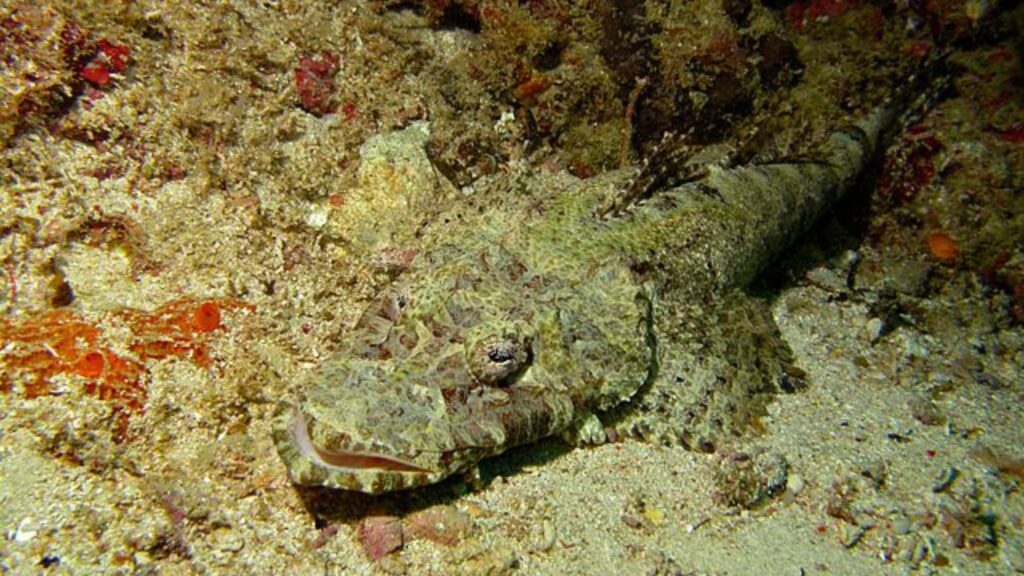
The crocodilefish (Cymbacephalus beauforti) relies on a mix of texture and patience to remain unseen. Found across the Indo-Pacific, its mottled skin mirrors coral rubble and seafloor debris. Fringes around its eyes break up its outline, making detection difficult even at close range. It lies still for long periods before striking at passing prey with surprising speed.
Frogfish Disguise Themselves as Sponges or Coral

Frogfish use both camouflage and deception to catch prey. Smithsonian Magazine notes that these ambush predators can resemble rocks, coral, or sponges. Many species have a lure on their head that acts like a fishing rod to attract smaller fish. When prey gets close, the frogfish strikes in less than a blink, expanding its mouth to create suction that pulls the target in instantly.
Cuttlefish Use Color and Light to Hide Instantly

Cuttlefish have one of the most advanced camouflage systems in nature. According to the Marine Biological Laboratory, their skin contains thousands of chromatophores that let them change color, texture, and even reflect light in milliseconds. They can produce rippling patterns that mimic sunlight or moving shadows, confusing predators. Despite being colorblind, cuttlefish perceive contrast and polarization to perfect their disguises.
Leafy Seadragon Blends In With Seaweed

The leafy seadragon (Phycodurus eques), native to southern Australia, is covered from head to tail with leaf-like filaments that blend seamlessly into kelp and seaweed. According to the California Academy of Sciences, it can also change color slightly with depth and remain motionless for days while drifting with the current. Its camouflage keeps predators at bay and helps it ambush tiny prey like plankton and larval fish.
Stonefish Disguise Themselves as Rocks

Stonefish (Synanceia species) are among the most perfectly camouflaged fish in the ocean. The Australian Institute of Marine Science reports that their rough, algae-covered skin makes them indistinguishable from surrounding rocks or coral. They lie motionless on the seabed, waiting to ambush prey. Their dorsal spines contain potent venom, making their disguise both an offensive and defensive adaptation.
Ghost Pipefish Hide Among Coral and Plants

Ghost pipefish (Solenostomus species) rely on delicate shapes and colors to stay hidden. Species like the ornate ghost pipefish hover among feather stars or seagrass, perfectly matching the color and texture of their surroundings. Even when carrying eggs, females maintain their camouflage, blending seamlessly into coral environments and avoiding predators.
Pygmy Seahorses Perfectly Match Their Coral Homes

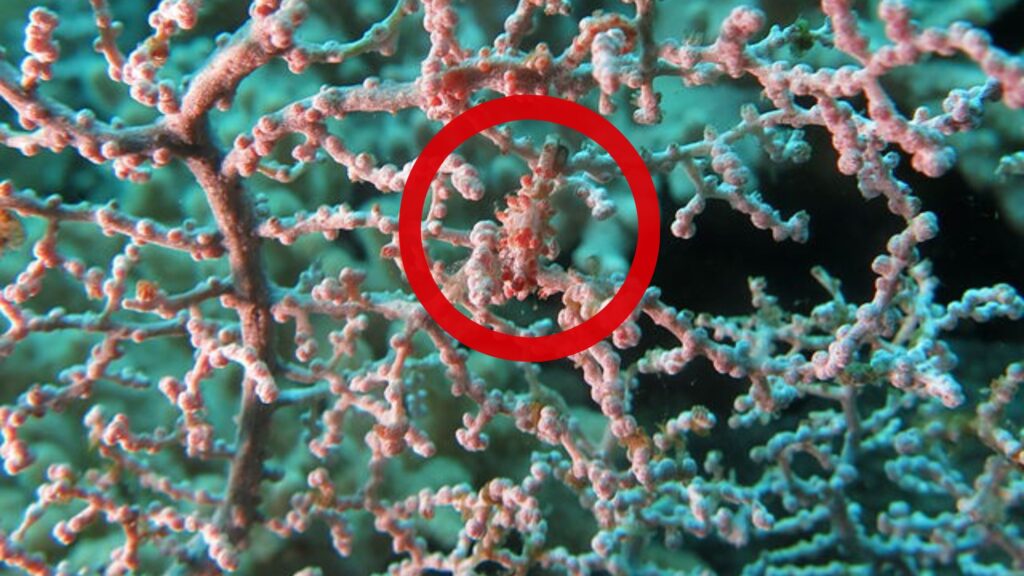
Pygmy seahorses (Hippocampus bargibanti) are smaller than a fingernail yet nearly invisible. First described in 1969, they live on specific gorgonian corals and match their host’s color and texture exactly—even copying its tiny polyps. Their stillness completes their disguise, helping them remain unseen by predators.
Scorpionfish Hides in Plain Sight

Scorpionfish (family Scorpaenidae) are stealthy predators that vanish into their surroundings. Their mottled coloring and feathery skin flaps let them blend seamlessly with coral and rocky reefs across the Indian and South Pacific Oceans. Lying motionless, they wait for unsuspecting fish and crustaceans to swim by, then strike with a lightning-fast gulp. Their venomous spines add an extra layer of protection, deterring predators.
Nature’s Underwater Masters of Disguise
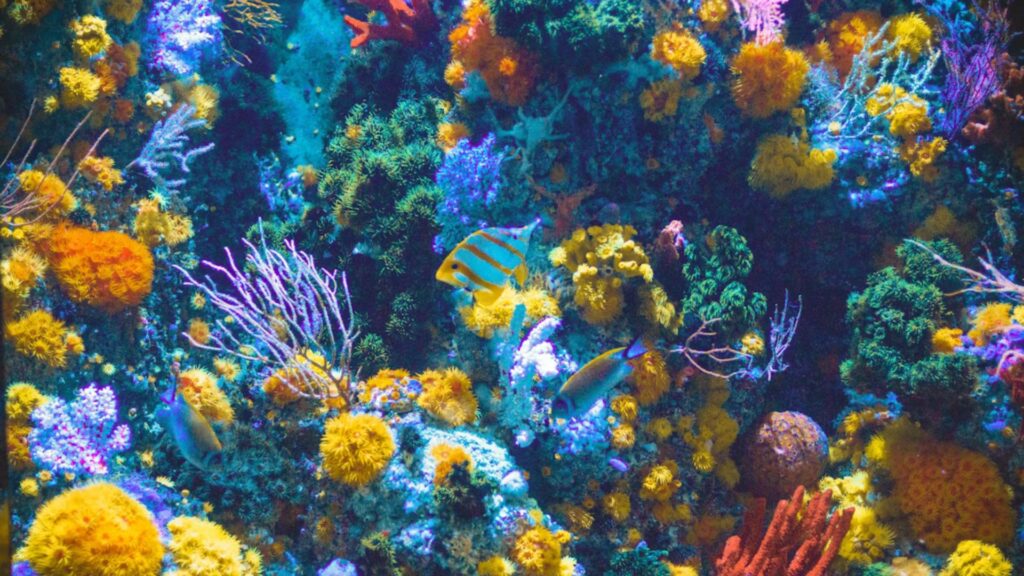
In the ocean, camouflage is as vital as speed or strength. These sea creatures, whether blending like sand, imitating seaweed, or vanishing into coral, use disguise as their ultimate survival tool. Their hidden world reminds us that the most extraordinary adaptations are often the ones we can’t easily see.
PetsFanatic Team
Pet Care Expert & Content Creator
Passionate about sharing knowledge and tips for better pet care. Writing about everything from pet health to training techniques.