
Noble by Nature: Dog and Cat Breeds Once Reserved for Royalty

Throughout history, certain dog and cat breeds have been so exclusive that only kings, queens, and emperors could own them. Calling them pets was an understatement as they were living symbols of power, wealth, and divine favor, often protected by strict laws that made owning them without royal permission a serious crime.
Many of these breeds were carefully guarded secrets, bred exclusively within palace walls and gifted only to other monarchs as tokens of alliance and respect. Today, these once-forbidden companions have found their way into homes around the world, but their regal heritage still shines through in their dignified bearing and noble characteristics.
Cavalier King Charles Spaniel: The Royal Favorite

The name says it all—this breed was so beloved by King Charles II of England that he literally couldn’t go anywhere without them.
Legend has it that the king was so obsessed with his spaniels that he neglected his royal duties, preferring to play with his dogs rather than attend to matters of state.
The breed became so associated with the monarchy that they were often featured in royal portraits, lounging elegantly beside their noble owners.
Shih Tzu: China’s Imperial Treasures

These fluffy little lions were the ultimate status symbols in ancient China, living lives of luxury that most humans could only dream of.
Chinese emperors kept them as pampered companions in the Forbidden City, where they were treated like furry royalty with their servants, silk cushions, and gourmet meals.
The breed was so precious that for centuries, Chinese rulers refused to sell, trade, or give them away to outsiders, keeping their bloodlines pure and exclusive.
Pekingese: The Sacred Lion Dogs

According to Chinese legend, Pekingese dogs were created when Buddha shrunk a lion down to lap-dog size, and emperors certainly treated them as if this mythical origin story were true.
These dogs were considered so sacred that stealing one was punishable by death, and they lived exclusively within the walls of the imperial palace, where they were worshipped and pampered beyond belief.
Each Pekingese had its personal servant, and the most favored ones would be carried everywhere in the sleeves of their royal owners’ robes.
Saluki: The Pharaoh’s Hunting Companions

These graceful sighthounds were so revered in ancient Egypt that they were often mummified and buried alongside pharaohs to accompany them into the afterlife.
Salukis were considered gifts from Allah and were the only dogs allowed inside Bedouin tents, treated more like family members than mere hunting animals.
Their incredible speed and endurance made them perfect companions for royal hunting expeditions, where they would chase down gazelles across the desert sands.
Pembroke Welsh Corgi: Britain’s Modern Royal Darlings
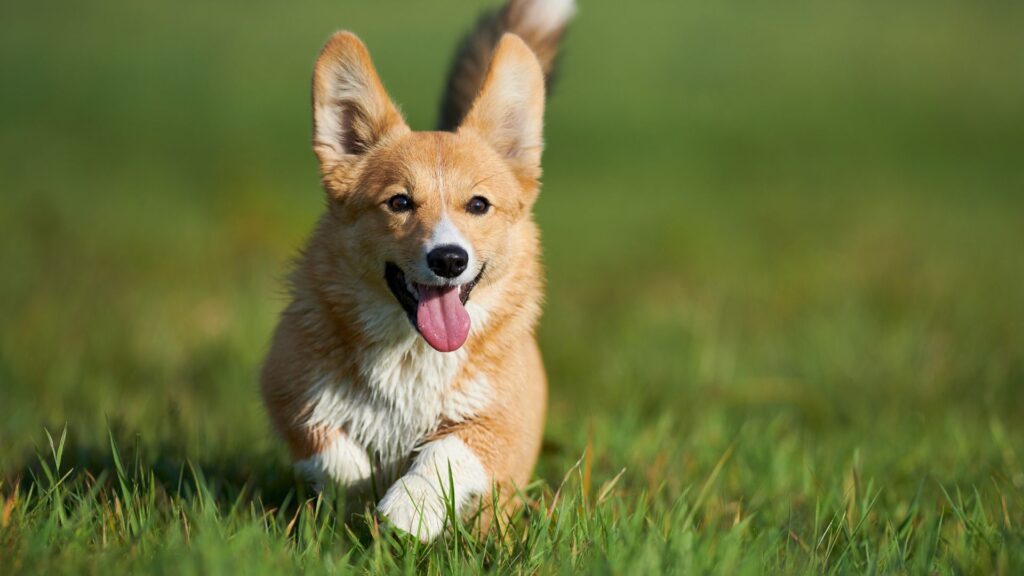
Queen Elizabeth II’s love affair with Corgis is legendary—she owned more than 30 of them during her reign and was rarely photographed without at least one by her side.
These short-legged herding dogs became so associated with the British monarchy that they practically became living emblems of the royal family.
The Queen’s Corgis lived in luxury at Buckingham Palace, with their own special menu prepared by royal chefs and their own Christmas stockings hung by the fireplace.
Akita: Japan’s Noble Warriors

In feudal Japan, Akitas were so revered that only samurai and members of the imperial family were allowed to own them, making them living symbols of honor, courage, and loyalty.
These powerful dogs were often given as gifts to celebrate the birth of children or to wish someone good health and happiness, as they were believed to bring good fortune.
The breed’s dignity and unwavering loyalty made them perfect companions for Japan’s warrior class, who saw these dogs as reflections of their own code of honor.
Great Pyrenees: France’s Majestic Guardians

These massive, cloud-white dogs were the ultimate status symbol among the French aristocracy, chosen not just for their beauty but for their fierce protective instincts and regal bearing.
Originally bred to guard sheep in the Pyrenees mountains, they caught the attention of French royalty who appreciated their combination of gentle temperament with family and fearless courage when facing threats.
King Louis XIV was so impressed with the breed that he declared them the “Royal Dog of France” in 1675, cementing their place in the courts of Versailles.
Borzoi: Russia’s Aristocratic Hunters
Russian Tsars were absolutely obsessed with these elegant sighthounds, using them for elaborate wolf hunts that were as much about displaying wealth and power as they were about sport.
These graceful dogs were bred exclusively by Russian nobility, who organized massive hunting parties where hundreds of Borzois would be released to chase wolves across the frozen steppes.
The breed became so associated with Russian aristocracy that owning one was essentially a declaration of noble status.
Japanese Chin: The Oriental Aristocrats

These charming little dogs were exclusively owned by Japanese royalty and nobility, living pampered lives in imperial palaces where they were treated more like living art pieces than pets.
Japanese Chins were so precious that they were often given as gifts between royal families, serving as diplomatic tools that helped forge alliances between noble houses. Their cat-like personalities and elegant, flowing coats made them perfect lap dogs for court ladies, who would carry them in the wide sleeves of their kimonos.
While dogs may have dominated the royal courts as companions and hunters, cats carved out their own special place in the hearts of monarchs who appreciated their mysterious elegance and independent spirits.
Russian Blue: Catherine’s Diplomatic Gifts

Catherine the Great of Russia was so enchanted by these silvery-blue cats that she not only kept them as palace companions but also used them as diplomatic gifts to foreign ambassadors and dignitaries.
These cats were prized for their plush, dense coats that shimmered like silver in candlelight, making them living jewels that perfectly complemented the opulent Russian court.
Their quiet, gentle personalities made them ideal palace cats—elegant enough for formal occasions but unobtrusive enough not to interfere with royal business.
Korat: Thailand’s Silver Treasures

Halfway across the world, another culture was equally captivated by remarkably similar-looking silver-blue cats.
In ancient Thailand, Korat cats were considered so lucky and precious that they were traditionally given as wedding gifts to ensure prosperity and happiness for newlyweds. While these cats share the Russian Blue’s stunning silver coat, Korats were exclusively owned by Thai royalty and were never sold—only gifted to those deemed worthy of their good fortune.
Their heart-shaped faces and luminous green eyes were said to represent love and prosperity, making them perfect symbols of royal favor.
Abyssinian: Possibly Pharaoh’s Favorites

While their exact royal connections are debated by historians, many believe Abyssinian cats were the favored companions of Egyptian pharaohs, with their sleek coats and alert expressions captured in ancient tomb paintings and sculptures.
These cats have an almost wild appearance that suggests ancient breeding, with their ticked coats resembling the fur of small African wildcats that might have roamed palace gardens.
Their intelligent, active personalities would have made them perfect companions for royal families who appreciated both beauty and brains in their pets.
Siamese: Siam’s Sacred Guardians

The royal family of Siam (now Thailand) didn’t just own Siamese cats—they believed these elegant felines were sacred guardians of their souls, destined to guide royal spirits into the afterlife.
These cats lived exclusively in temples and palaces, where they were pampered by monks and royal servants who considered caring for them a sacred duty.
Their distinctive colorpoint coats and piercing blue eyes were thought to hold mystical powers, and only members of the royal family were allowed to own them.
Persian: Europe’s Fluffy Aristocrats
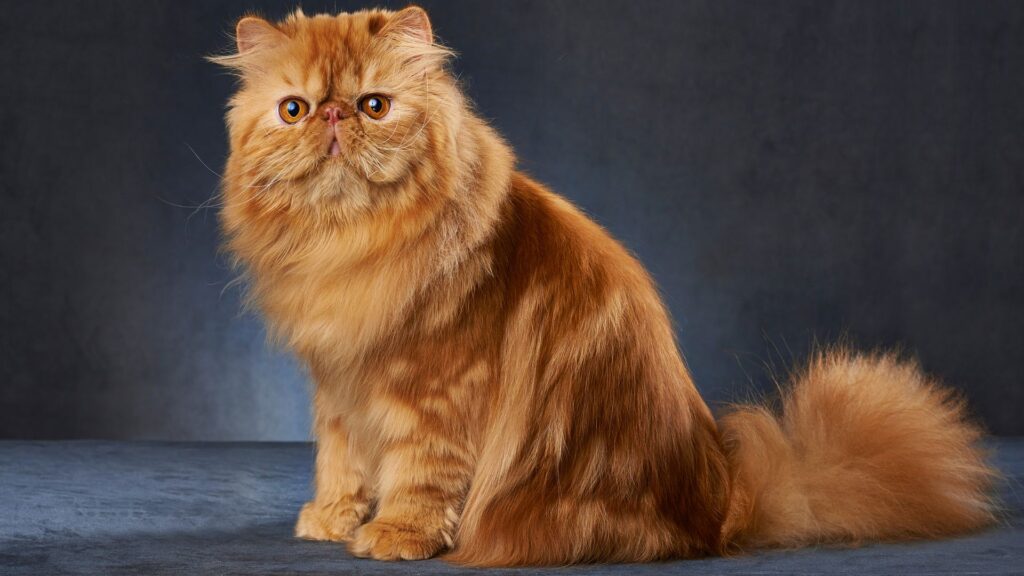
Persian cats became the ultimate fashion accessory among European royalty and aristocracy, their long, luxurious coats and sweet expressions making them perfect living decorations for opulent palace settings.
These cats were so associated with wealth and refinement that owning one was essentially a statement about your social status and sophistication.
European nobles competed to own the most beautiful Persians, importing them at great expense and hiring special servants whose only job was to groom and care for these precious felines.
From Palace to Pet: The Democratic Revolution

These once-exclusive breeds have come a long way from their days of royal privilege, and today, anyone can experience the joy of owning a dog or cat with genuine blue blood running through their veins.
While they may no longer live in palaces or dine on meals prepared by royal chefs, these breeds still carry themselves with an unmistakable dignity that speaks to their noble heritage. The democratization of these royal breeds means that the same qualities that charmed emperors and queens—loyalty, beauty, and distinctive personalities—can now brighten ordinary homes around the world.
In a way, we’ve all become royalty by welcoming these magnificent animals into our families
PetsFanatic Team
Pet Care Expert & Content Creator
Passionate about sharing knowledge and tips for better pet care. Writing about everything from pet health to training techniques.