
Night-Vision Cameras on a Remote Tasmanian Island Captured Images of ‘Rare’ Animals Scientists Unable to Verify for Years
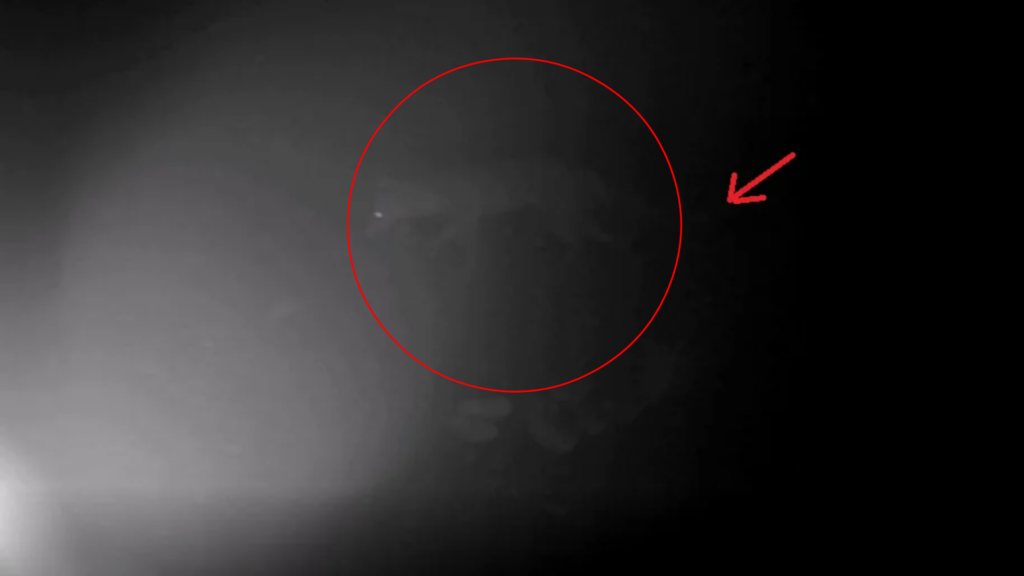
A tiny marsupial no longer than a finger. A pale echidna that looks almost ghost-like. A migratory bird that has never before been photographed on this island. None of these were spotted by a scientist out in the field. They were all captured, silently, by night-vision cameras pointed into the dark scrubland of truwana/Cape Barren Island off Tasmania’s north-east coast, long after the rangers had gone home.
Cameras Placed Across a Quiet, Isolated Island
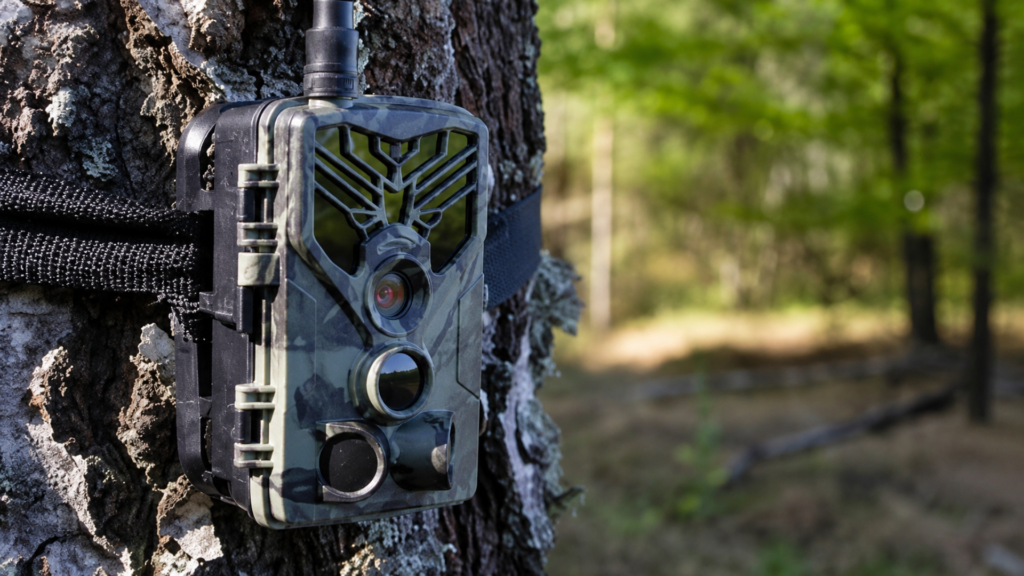
The monitoring program was set up by the truwana Rangers with support from WWF Australia. Trail cameras were distributed through the island’s grasslands and scrub, programmed to trigger whenever something moved past. At first the footage looked routine: animals passing quietly through the bush at night. But as rangers reviewed more frames, several images stood out immediately from the rest, revealing species that had rarely or never been formally documented on the island.
A Memory Six Years in the Making

For senior ranger Buck Brown, the new footage connected to something he had never been able to prove. During a controlled burn six years earlier, small animals bolted out of the grass near his vehicle. He managed to catch a couple before they vanished back into the bush. “I was on my hands and knees grabbing them and putting them under the tyre of the ute,” he told ABC News. Without a photograph, though, he had no way to confirm what he had seen. The cameras finally gave him that answer.
The White-Footed Dunnart
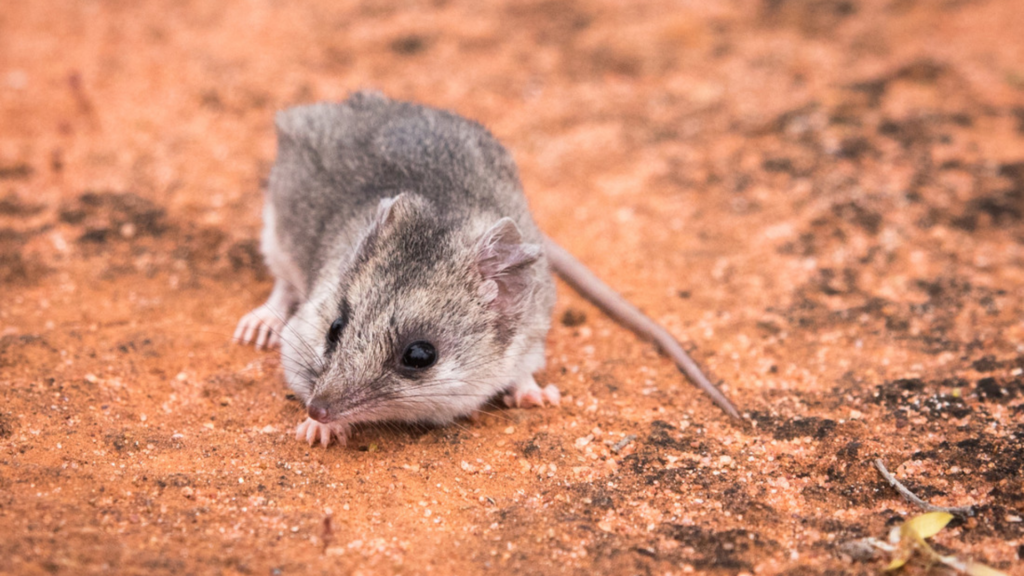
One of the camera’s most important captures was a white-footed dunnart, marking the first photographic record of the species on the island. The tiny marsupial, known scientifically as Sminthopsis leucopus, has a body no longer than 11 centimetres and feeds mainly on insects and small invertebrates. Its combined population across Tasmania and mainland Australia is estimated at fewer than 10,000 adults. When Brown saw the image, he immediately recognized it: “That’s the little fella I saw six years ago,” he said.
A Vulnerable Species in a Precarious Position
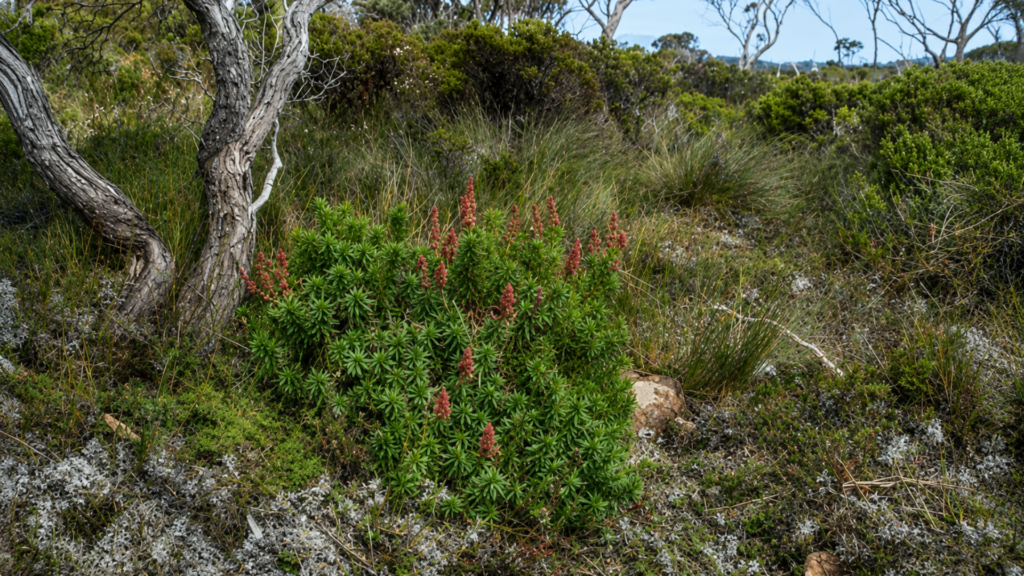
The white-footed dunnart is listed as threatened in New South Wales and vulnerable in Victoria, making confirmed sightings significant for conservation records. The species is rarely seen even where it is known to occur, partly because it is nocturnal and moves through dense vegetation. Camera trapping has become one of the most reliable ways to detect it. The truwana images now add the island to the map of known locations where the dunnart continues to survive, providing researchers with a new data point in remote Bass Strait.
The Pale Echidna Nobody Expected to See
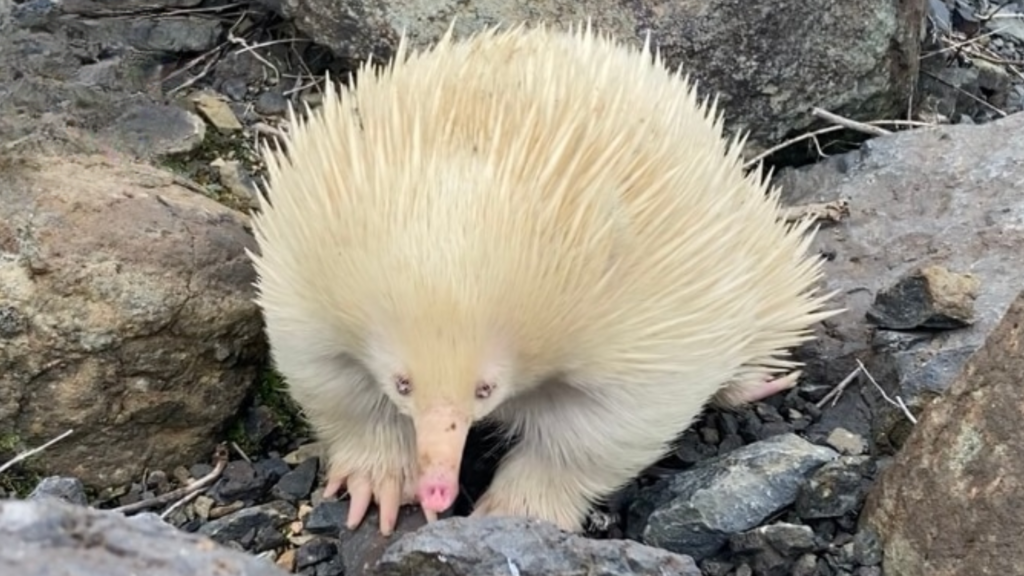
Another frame stopped the rangers cold. One camera captured an echidna with unusually pale spines and blond-coloured fur, dramatically lighter than any echidna the team had seen on the island before. Researchers believe the colouring is likely caused by leucism, a genetic condition that reduces pigmentation across the body without affecting the eyes. Unlike albinism, which removes all pigment, leucism typically produces lighter fur or feathers while the eyes remain dark and functional. Ranger Shane Hughes put it simply: “It would have been good to see it in the flesh.”
Why Isolated Islands Breed Unusual Traits
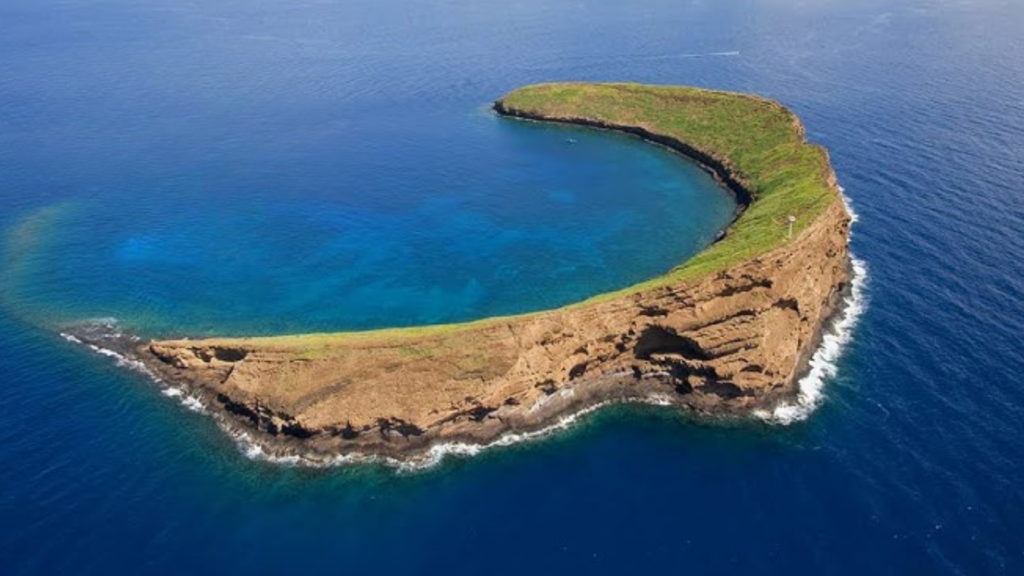
Wildlife ecologist Dr Liz Znidersic of Charles Sturt University noted that leucism appears more frequently than full albinism in wild animals. On small, isolated islands, where animal populations tend to be genetically limited, rare traits like unusual colouring can surface more often. The dynamics of a restricted gene pool mean that mutations which might stay rare on the mainland can become relatively common in island populations. Similar pale echidnas have previously been reported on nearby Flinders Island, suggesting this is not an isolated event.
A Long-Distance Traveller Touches Down
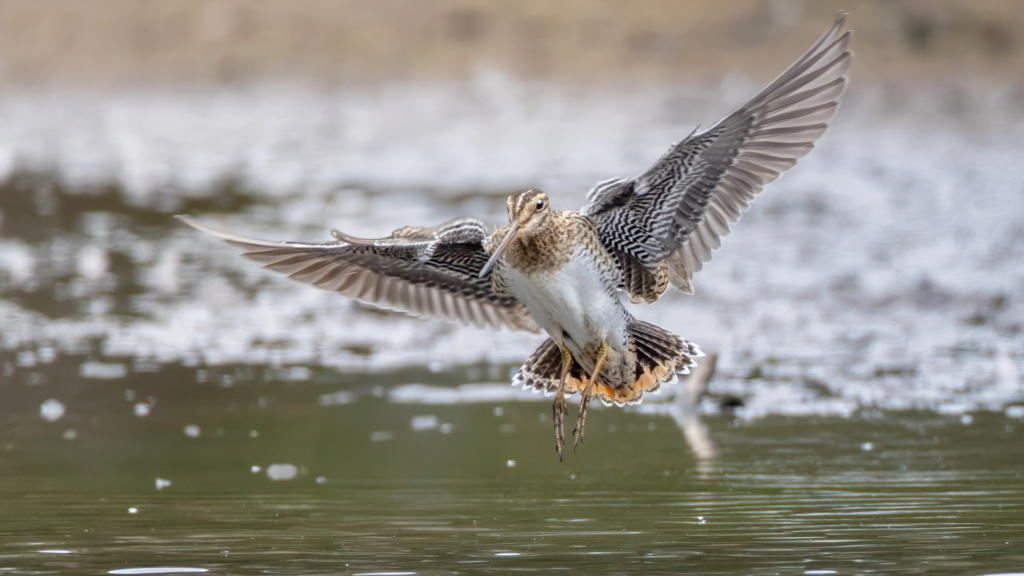
The cameras also captured a bird with no permanent address on the island. Latham’s snipe, a migratory shorebird that breeds in Japan and eastern Russia before flying thousands of kilometres to spend the southern summer in Australia, appeared on footage for what researchers say is the first time it has been photographed on truwana/Cape Barren Island. The bird is listed as vulnerable under Australian federal law. Dr Znidersic, who described herself as “a bird nerd,” said she was genuinely surprised and excited to see the species appear in the results.
Feral Cats Remain the Biggest Threat

Despite the encouraging wildlife findings, rangers say predator control remains the most urgent ongoing challenge. Feral cats are a serious threat to small ground-dwelling mammals and birds, and the white-footed dunnart is particularly vulnerable to them. Brown and his team run a winter trapping program, baiting cages with sardines and checking them regularly. The numbers are striking: “We’re getting around 30-odd cats every winter,” he said. On a small island ecosystem, removing dozens of predators each year can meaningfully reduce pressure on the very animals the cameras are tracking.
What the Dark Revealed About Conservation
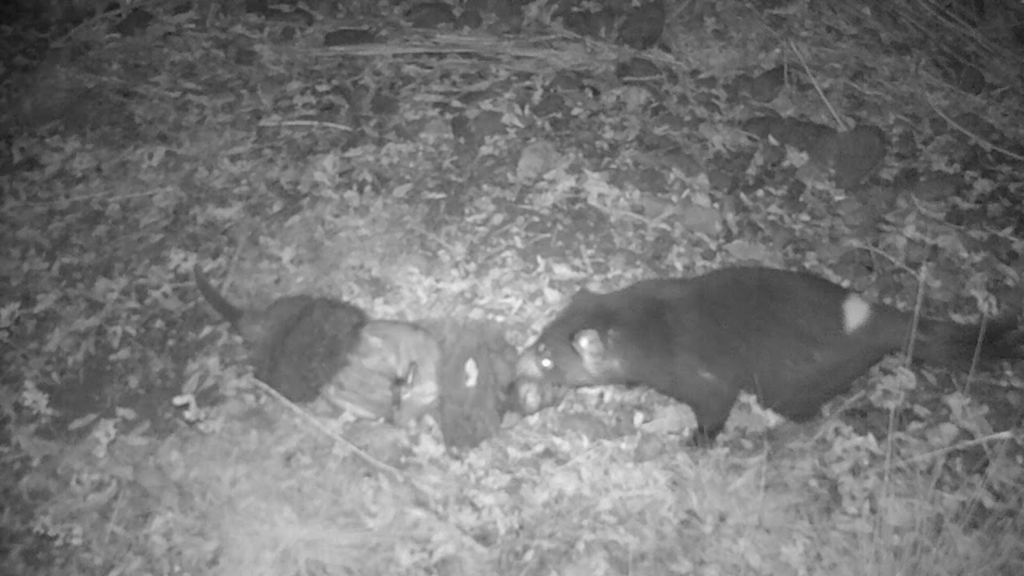
The trail camera project on truwana/Cape Barren Island is more than a collection of striking images. It is evidence that sustained conservation work, even on a remote and little-studied island, can keep rare species alive. For Buck Brown, the footage confirmed something he had held onto for six years. For researchers, it opened new questions about which other species may be quietly persisting in places no one has yet thought to look. The cameras are still running. There may be more surprises in the dark.
PetsFanatic Team
Pet Care Expert & Content Creator
Passionate about sharing knowledge and tips for better pet care. Writing about everything from pet health to training techniques.