
New York Lawmakers Pass Bill Restricting Wild Animals in Traveling Shows
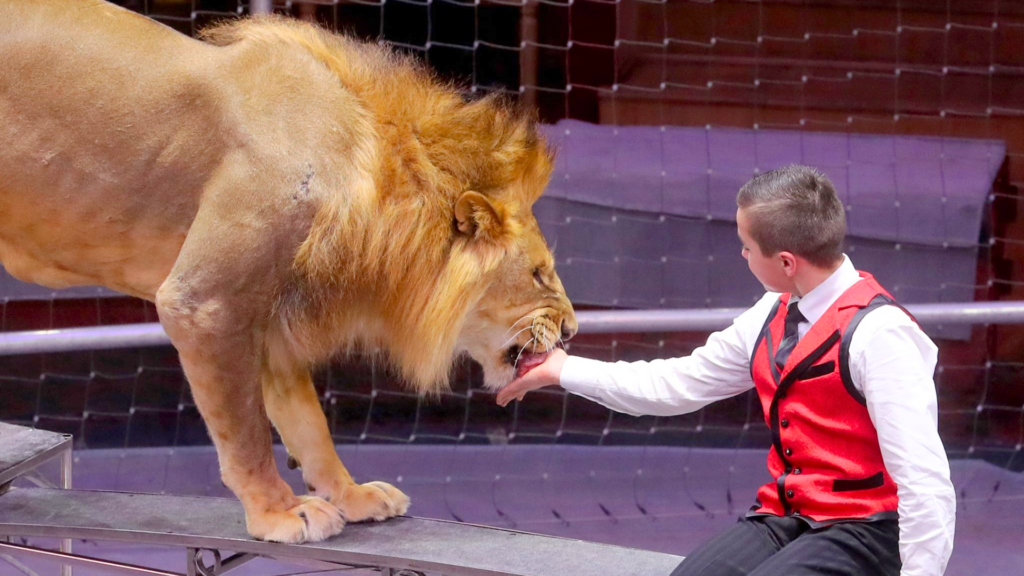
New York lawmakers have passed major legislation that would restrict the use of wild animals in traveling entertainment acts across the state. The bill targets performances involving species such as big cats, bears, and non-human primates, marking another significant step in New York’s expanding animal welfare efforts. Supporters say the legislation is designed to protect both animals and public safety, while critics from the entertainment industry argue the restrictions could hurt traveling shows and educational exhibitions. The bill now heads to Governor Kathy Hochul’s desk, where advocates are urging her to sign it into law.
The Bill Would Ban Several Wild Animal Acts
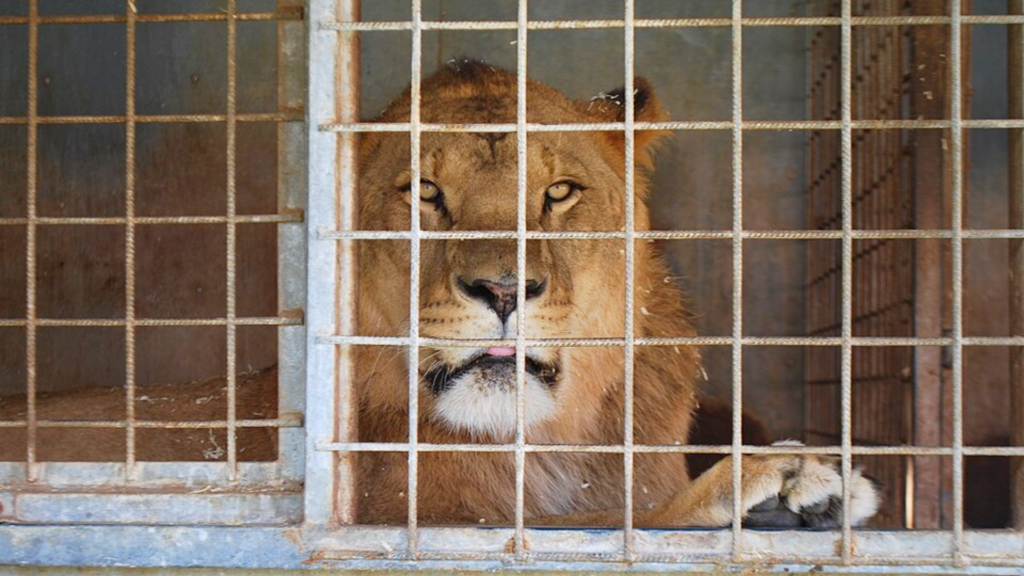
The legislation would prohibit the use of several wild animal species in traveling entertainment acts throughout New York. Covered animals include wild cats, bears, non-human primates, kangaroos, and wallabies that are commonly used in circuses, fairs, and mobile exhibitions. Lawmakers said these animals are often forced into stressful transportation schedules and unnatural performances that do not reflect their natural behaviors. Supporters described the bill as an effort to modernize animal welfare protections statewide.
Bipartisan Support Helped Push the Bill Forward
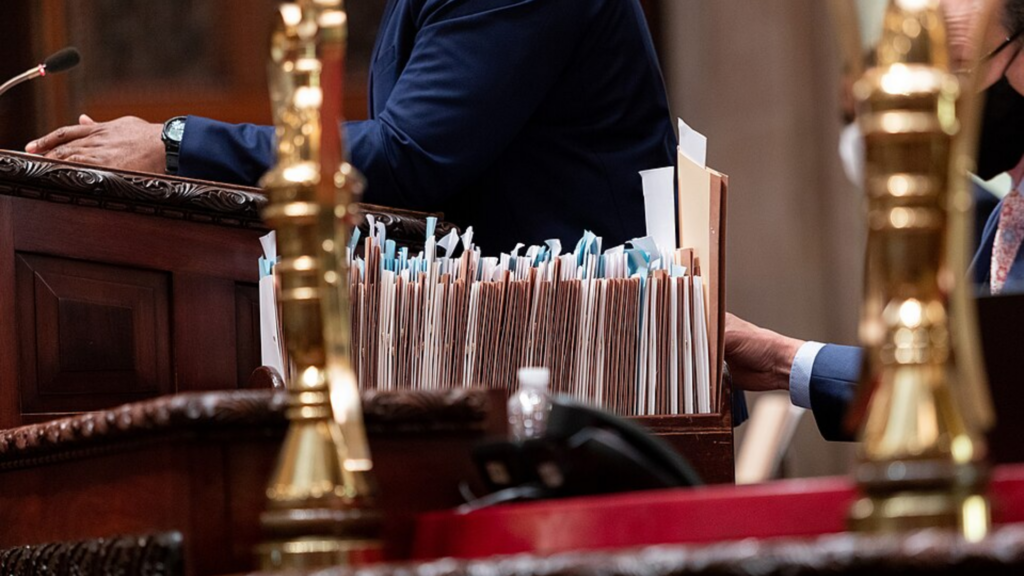
The bill received bipartisan backing in both the New York Senate and Assembly, reflecting growing support for stronger restrictions on wild animal entertainment. According to reports, the Senate approved the measure by a vote of 54 to 8, while the Assembly passed it with a vote of 100 to 38. Animal welfare advocates pointed to the strong margins as evidence that public attitudes toward wild animal performances have shifted significantly in recent years. The legislation was included as part of a broader animal welfare package considered during the legislative session.
Supporters Say the Law Protects Public Safety

Backers of the legislation argued that the bill is not only about animal welfare but also about protecting communities from dangerous incidents involving wild animals. Advocates cited a long history of escapes, attacks, and injuries connected to traveling shows across the country. Several incidents mentioned during legislative discussions included tiger attacks, bear-related injuries, and escaped animals causing public disruptions. Supporters said removing wild animals from traveling acts reduces risks for audiences, handlers, and first responders alike.
Animal Welfare Groups Strongly Backed the Measure

Organizations focused on animal protection strongly supported the legislation and spent years campaigning for tighter restrictions on traveling animal acts. Groups such as Humane World for Animals and PETA argued that wild animals used in entertainment are frequently subjected to stressful conditions, prolonged confinement, and harsh training practices. Advocates also noted that many animals travel long distances in small transport enclosures while being forced to perform unnatural tricks. Supporters described the bill as a long-overdue update to animal protection laws.
New York Previously Restricted Elephant Acts

The newly passed legislation builds on earlier animal welfare laws already enacted in New York. In 2017, the state approved the Elephant Protection Act, which prohibited the use of elephants in entertainment acts statewide. Lawmakers and advocates said the latest bill expands those protections to additional species commonly featured in traveling performances. Several local governments across New York had already adopted their own restrictions before the statewide legislation advanced.
Traveling Shows Have Faced Growing Scrutiny

Traveling animal performances have faced increasing criticism across the United States as concerns over animal welfare continue growing. Investigations and enforcement actions involving exhibitors have highlighted issues including inadequate veterinary care, unsafe handling practices, and improper housing conditions. Some traveling shows operating in New York had previously faced fines or restrictions connected to animal treatment violations. Public pressure has also led several venues and cities to stop hosting animal-based circus performances altogether.
Other States Are Passing Similar Laws
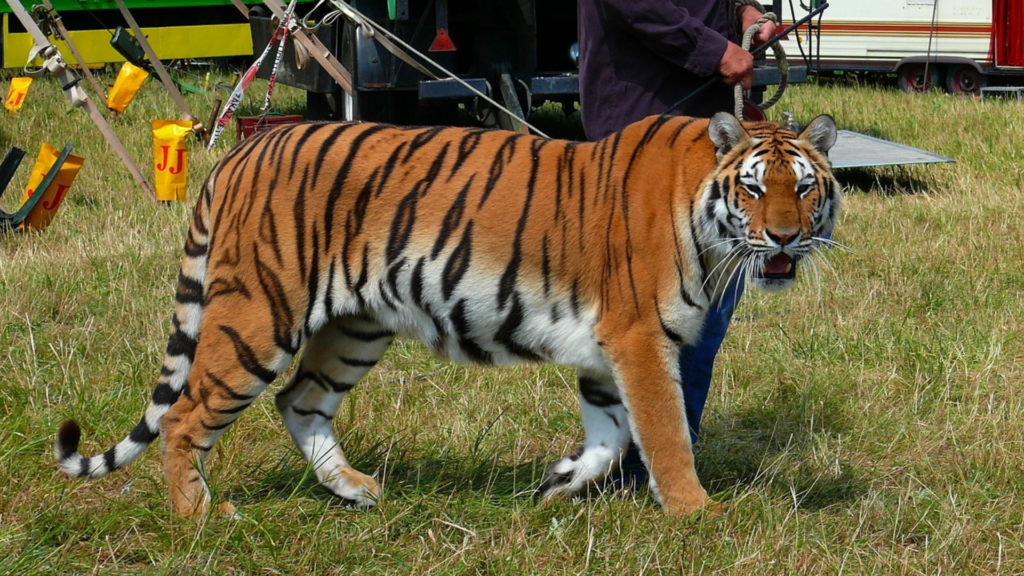
New York is part of a broader national trend toward limiting or banning the use of wild animals in traveling acts. Multiple states, including California, New Jersey, Illinois, and Washington, have either approved or considered similar legislation in recent years. Animal welfare groups say public support for these laws has grown as awareness increases about the conditions many performing animals experience. Industry critics argue the changes reflect evolving standards surrounding entertainment and animal treatment.
The Entertainment Industry Continues to Push Back
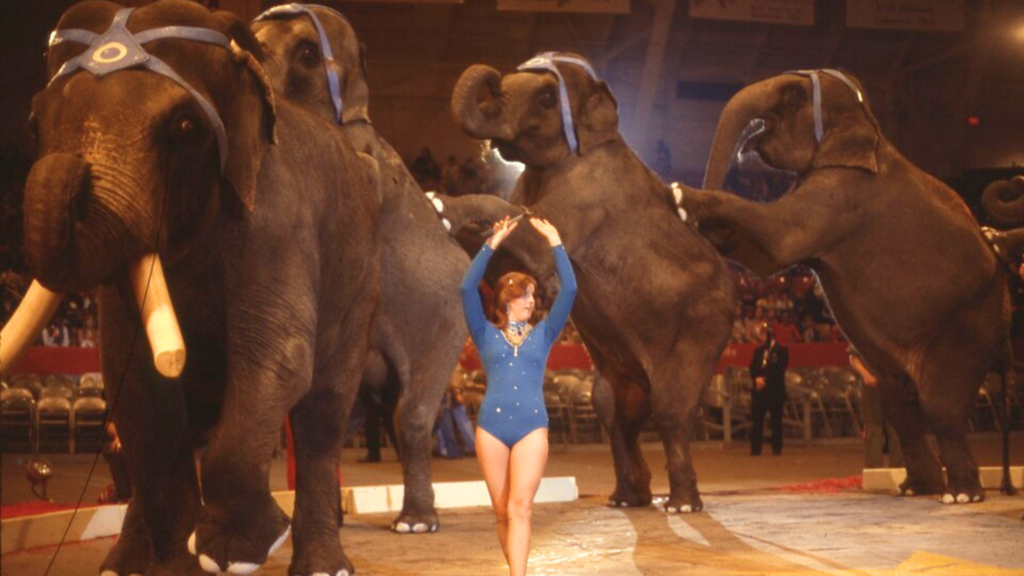
Some operators within the traveling entertainment industry have opposed the legislation, arguing that their animals are properly cared for and that performances help educate the public about wildlife. Certain exhibitors claim that many animals featured in shows are rescues and receive extensive veterinary care throughout the year. Critics of the bill also warn that tighter restrictions could financially hurt family-owned entertainment businesses that rely on live animal acts. However, lawmakers supporting the measure argue that public safety and animal welfare concerns outweigh those objections.
New York Moves Toward Ending Wild Animal Entertainment
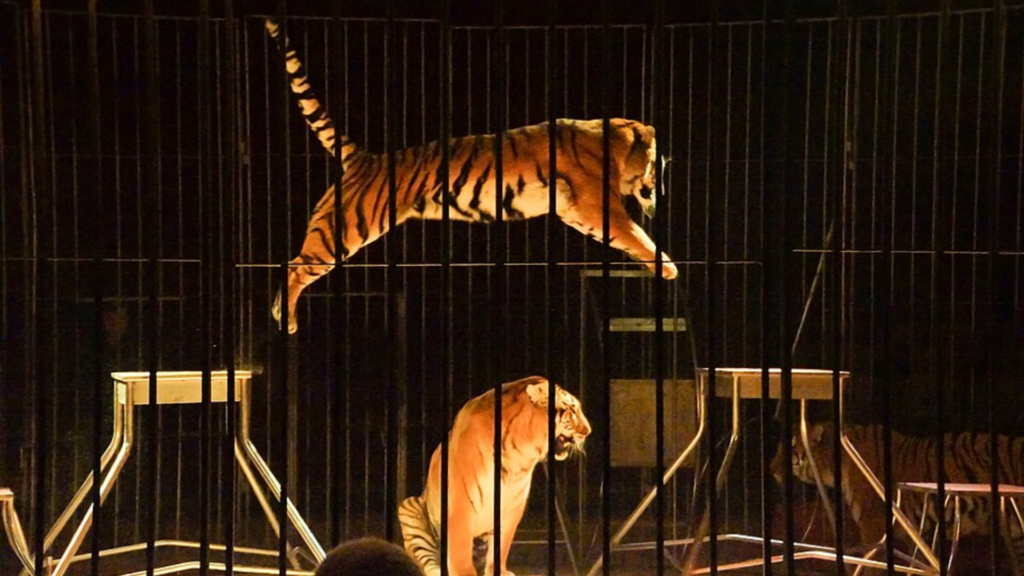
The passage of New York’s traveling wild animal restriction bill marks another major shift in how states regulate animal entertainment. Supporters believe the legislation will improve public safety while protecting wild animals from stressful travel schedules and performance conditions. The debate also reflects changing public attitudes toward the use of exotic animals in circuses and traveling shows across the country. If Governor Kathy Hochul signs the measure into law, New York will join a growing number of states limiting wild animal acts as part of broader animal welfare reforms.
PetsFanatic Team
Pet Care Expert & Content Creator
Passionate about sharing knowledge and tips for better pet care. Writing about everything from pet health to training techniques.