
New USDA Rules Could Speed Up Slaughter Lines, But At What Cost to Animals?
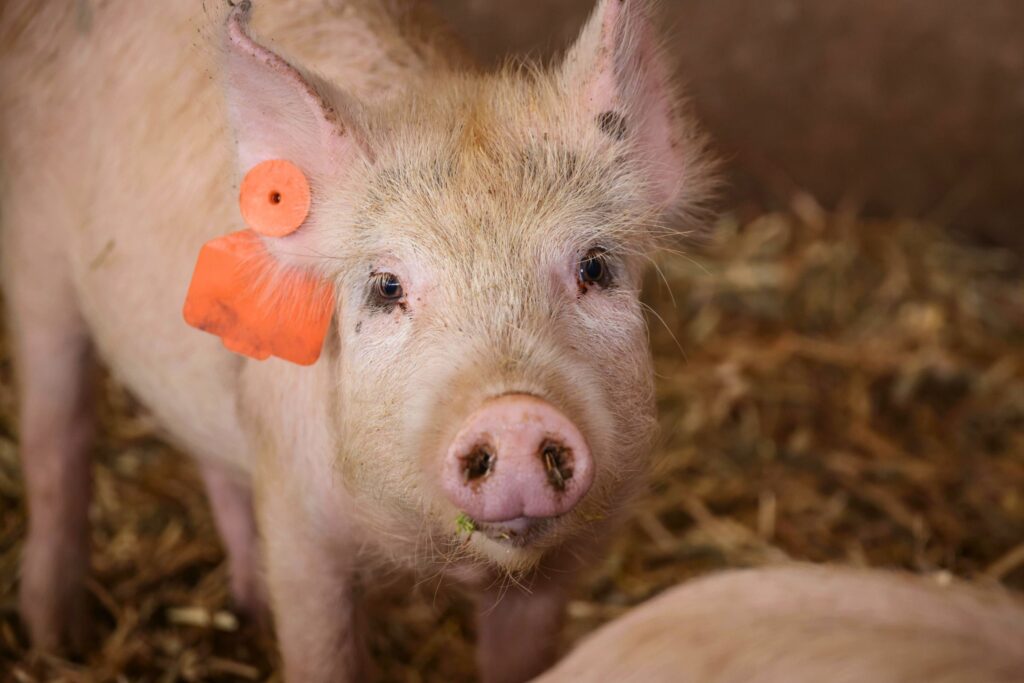
The U.S. Department of Agriculture has proposed sweeping changes that would allow poultry and pork slaughterhouses to operate at faster processing speeds, part of a broader effort to modernize the food system and reduce costs for consumers.
Under the plan, chicken processing lines could increase from 140 birds per minute to as many as 175, while turkey plants would see a smaller bump. For pork facilities, regulators are considering removing fixed speed limits altogether, allowing plants to determine their own pace based on operational capacity.
Officials say the goal is to improve efficiency and strengthen supply chains, arguing that current limits are outdated and that modern equipment and inspection systems can handle higher throughput without compromising food safety.
Where Speed Meets Suffering

For animal welfare advocates, however, the proposal raises urgent concerns about what faster line speeds mean in practice. Slaughterhouses already operate at a rapid pace, and critics say even current speeds leave little room for careful, humane handling.
At higher speeds, workers have less time to properly stun animals before slaughter, a critical step meant to render them unconscious and prevent suffering. Advocacy groups Humane World for Animals warn that when this process fails, animals may remain conscious during slaughter, leading to extreme distress and pain.
The risks extend throughout the production line. With birds and livestock moving quickly through automated systems, there is less opportunity to identify animals that were improperly stunned or mishandled. Critics say this can result in animals being cut, processed, or even immersed in scalding tanks while still alive, outcomes that violate humane standards and become harder to prevent as speeds increase.
USDA Assurances and Skepticism from Critics

The USDA maintains that the proposed changes are grounded in years of data, including studies suggesting that faster line speeds do not necessarily lead to higher contamination rates or reduced food safety. Officials also emphasize that federal inspectors will remain on-site with authority to slow or stop operations if problems arise.
But opponents argue that these safeguards may not be enough in high-speed environments. Animal welfare groups contend that inspections become more challenging when animals move through the system more quickly, leaving less time to catch errors in real time.
Labor advocates like the United Food and Commercial Workers say employees, already working in one of the nation’s most dangerous industries, would face even greater pressure to keep pace with machines. They warn that fatigue, repetitive motion, and rushed conditions can increase the risk of injury while also leading to mistakes that affect animal handling and welfare.
A System Under Scrutiny

The debate over line speeds highlights a broader tension in modern food production: how to balance efficiency with ethical responsibility. Industry groups have long argued that faster processing allows producers to meet demand and keep prices stable, particularly during supply chain disruptions.
Opponents counter that the push for speed risks normalizing conditions where animal suffering becomes more likely and less visible. They argue that humane treatment requires time, attention, and oversight, factors that can be undermined when production is accelerated.
With the USDA now accepting public comments, the outcome of this proposal could shape the future of meat processing in the United States. At its core, the question is not just how fast animals can be processed, but whether the system can maintain humane standards when speed becomes the priority.
PetsFanatic Team
Pet Care Expert & Content Creator
Passionate about sharing knowledge and tips for better pet care. Writing about everything from pet health to training techniques.