
New Tiger Cubs Offer Hope for the Future of an Endangered Species
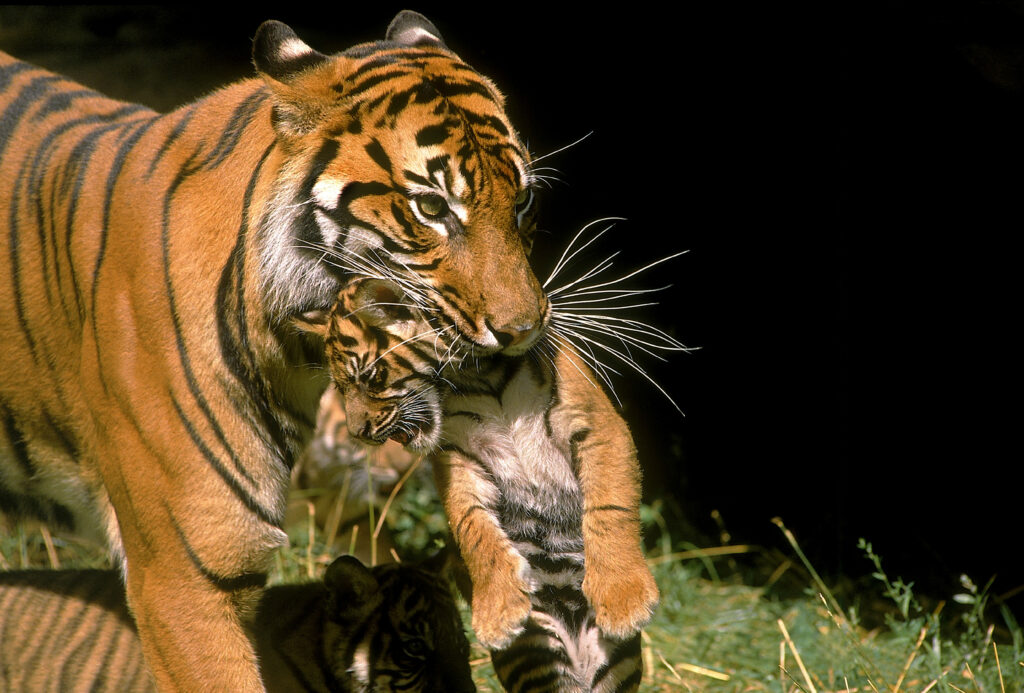
The arrival of three Sumatran tiger cubs at Howletts Wild Animal Park in Kent has become a bright spot in global conservation efforts. Born on April 9 to first-time mother Tipah and father Nakal, the cubs recently ventured outside their den for the first time, marking an important developmental milestone. The litter consists of two females and one male, named Rokan, and their emergence has attracted attention from wildlife enthusiasts and conservationists alike.
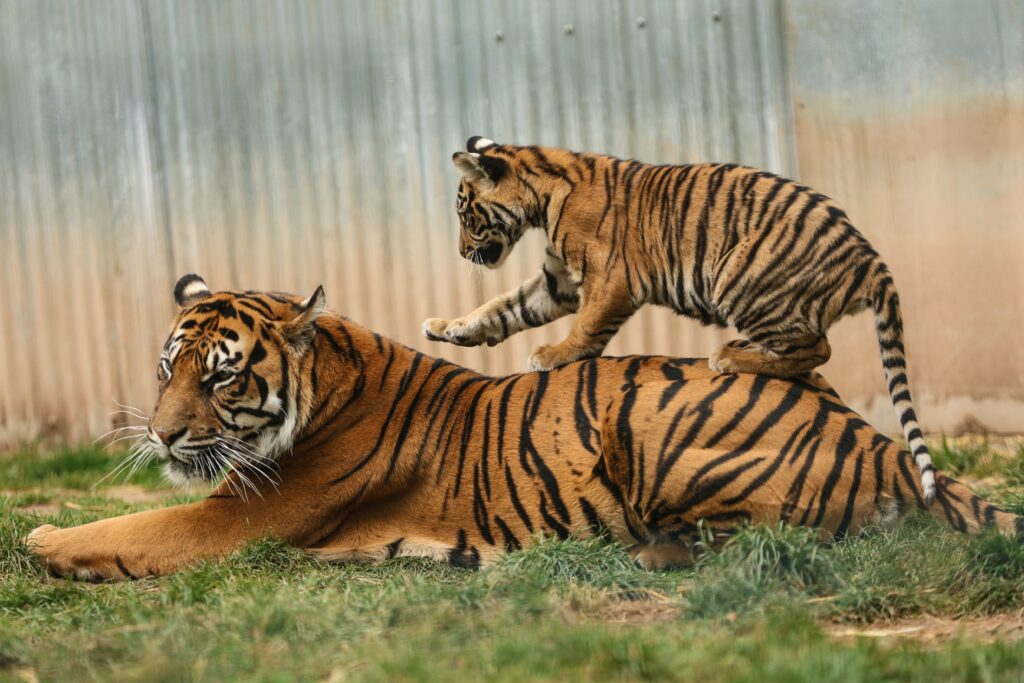
For park staff, the cubs represent more than a heartwarming attraction. Sumatran tigers are among the rarest big cats in the world, and every successful birth contributes to efforts aimed at preserving the species. The young tigers have begun exploring their surroundings, displaying increasingly confident and playful behavior as they adapt to life beyond the den.
Their progress offers a reminder that conservation successes often happen one animal at a time. In a period when many wildlife populations continue to face mounting pressures, the healthy development of these cubs provides a tangible example of what coordinated breeding and conservation programs can achieve.
A Species on the Brink
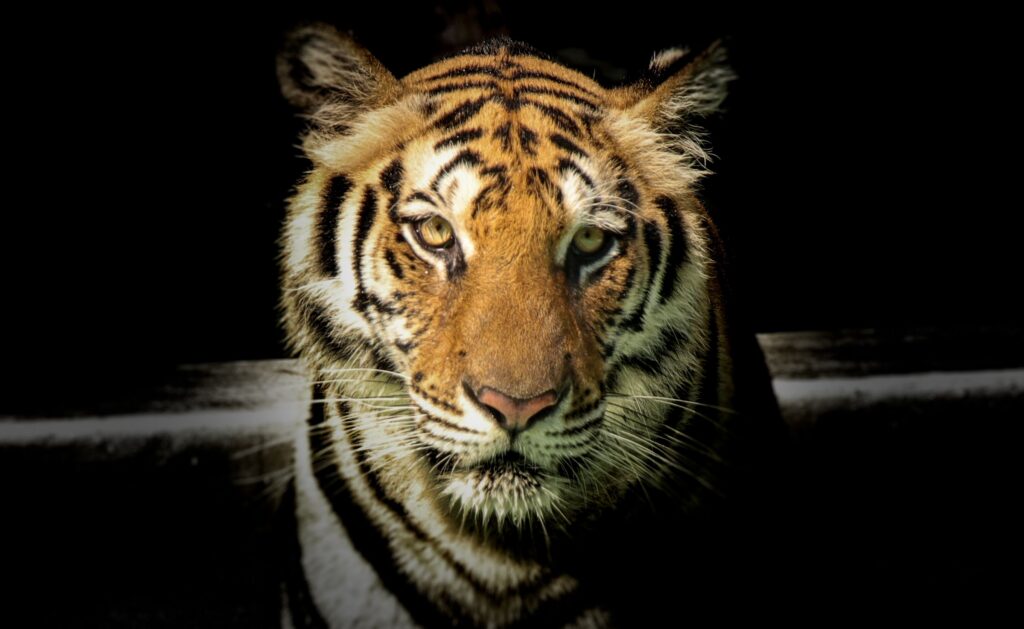
The optimism surrounding the cubs is tempered by the reality facing their wild counterparts. Sumatran tigers are classified as critically endangered, with fewer than 400 individuals believed to remain in the forests of Indonesia’s Sumatra island. Their small population leaves little margin for further losses and makes conservation efforts increasingly urgent.
Habitat destruction remains one of the most significant threats. Expanding agriculture, logging operations, and plantation development have reduced and fragmented the forests that tigers rely on for food, shelter, and breeding. As their territories shrink, tiger populations become increasingly isolated, reducing genetic diversity and weakening long-term survival prospects.
Poaching and illegal wildlife trafficking continue to compound the problem. Despite international bans on the trade of tiger parts, black markets remain active, creating incentives for criminal networks to target these animals. Conservation groups warn that even the loss of a few breeding individuals can have devastating consequences for such a small population.
Why Every Cub Counts

Tiger reproduction is naturally slow, making each successful birth especially significant. Females generally produce small litters and invest substantial time in raising their young. Survival rates can be low, particularly in the wild, where habitat pressures and human threats remain constant. As a result, every cub that reaches adulthood represents an important contribution to the species’ future.
At Howletts, staff have closely monitored the litter’s development. According to the park, Tipah has shown strong maternal instincts, carefully watching over her offspring as they grow more adventurous. Although one cub from the original litter of four died from natural causes, the remaining three have continued to thrive and display distinct personalities.
The cubs also serve an educational purpose. Modern conservation programs often use captive populations to raise public awareness about endangered species and the challenges they face in the wild. By connecting visitors with animals like the Sumatran tiger, conservation organizations hope to build broader support for habitat protection and anti-poaching initiatives.
Conservation Efforts Beyond the Zoo
The future of Sumatran tigers depends largely on protecting wild populations and the ecosystems they inhabit. Organizations such as WWF work with governments, local communities, and conservation partners to safeguard habitats, strengthen anti-poaching patrols, and monitor tiger populations using technologies such as camera traps and DNA analysis.
Efforts also focus on reducing human-tiger conflict, a growing challenge as expanding settlements encroach on tiger territory. Programs that promote sustainable land use, create buffer zones, and provide alternative livelihoods for local communities aim to reduce confrontations while supporting both people and wildlife.
The three cubs born in Kent will not reverse decades of population decline on their own, but they symbolize the importance of sustained conservation action. Their story reflects both the fragility of the species and the potential for recovery when conservation programs, scientific management, and public support work together toward a common goal.
PetsFanatic Team
Pet Care Expert & Content Creator
Passionate about sharing knowledge and tips for better pet care. Writing about everything from pet health to training techniques.