
New Dinosaur Species Unearthed Deep in the Sahara Desert

The Sahara Desert, often imagined as an endless sea of sand, has once again proven that it still guards extraordinary secrets beneath its surface. In a remarkable scientific breakthrough, paleontologists have identified a previously unknown dinosaur species after an ambitious expedition in West Africa, adding a new chapter to our understanding of prehistoric life on Earth.
Spinosaurus Mirabilis Emerges From The Sands

In 2022, an international research team traveled to Niger, a country in West Africa known for its fossil-rich geological formations, where they uncovered an extensive collection of prehistoric remains. Among the 55 tons of material carefully extracted and transported for study were bones that did not match any known species, ultimately leading scientists to identify a new member of the Spinosaurus lineage, now named Spinosaurus mirabilis.
An Expedition Of Remarkable Scale

The scale of the fieldwork itself was extraordinary, involving the recovery of massive fossil deposits across remote desert terrain. Extracting and preserving such a vast quantity of specimens required careful coordination, technical expertise, and logistical planning, underscoring the commitment of researchers determined to piece together fragments of deep time hidden beneath harsh environmental conditions.
Why The Name Mirabilis Matters

The species name mirabilis comes from Latin and translates to astonishing, a fitting description for a discovery that surprised even seasoned paleontologists. Scientific naming conventions often reflect defining traits or the emotional impact of a find, and in this case the term captures both the rarity and the scientific importance of the fossils uncovered in Niger.
Expanding The Spinosaurus Family Tree

Spinosaurus is already one of the most distinctive dinosaur genera ever identified, recognized for its elongated skull and sail-like structure along its back. The addition of Spinosaurus mirabilis suggests that this group was more diverse than previously believed, prompting researchers to reconsider how these predators evolved and adapted to their environments.
Clues Hidden In Fossil Evidence
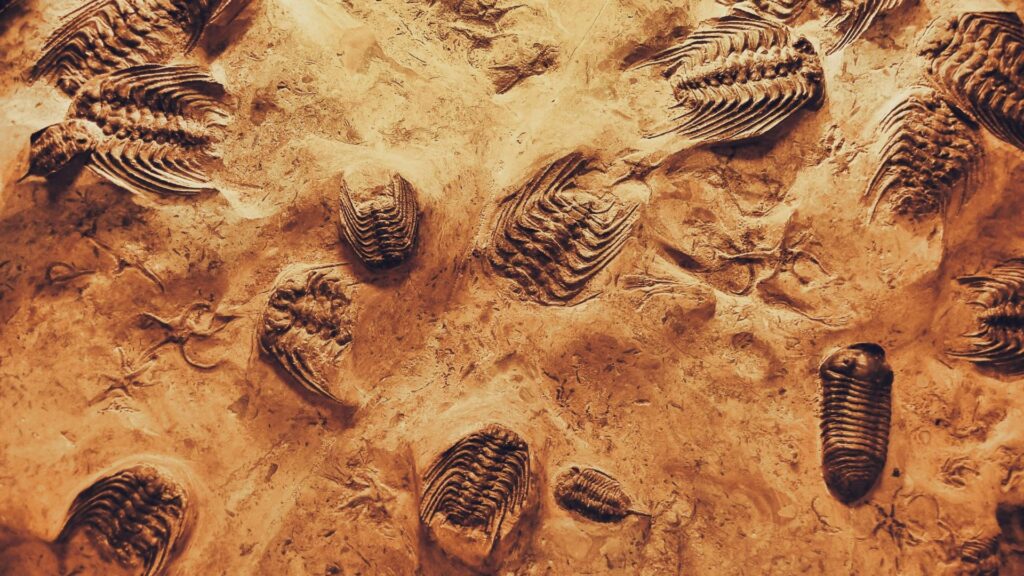
Detailed analysis of the bones revealed anatomical features that set this specimen apart from previously described species. Subtle variations in skeletal structure, proportions, and morphology provided the evidence necessary to classify it as distinct, demonstrating how even small differences in fossilized remains can reshape scientific interpretation.
The Sahara As A Window Into Prehistory

Though today it is dominated by arid landscapes, the Sahara was once home to rivers, wetlands, and thriving ecosystems during the Cretaceous period. Fossil discoveries from this region continue to illuminate a time when dinosaurs flourished in environments that looked dramatically different from the desert we see now.
From Field Discovery To Scientific Publication

After months of excavation and laboratory study, the research findings were formally presented to the scientific community. The study detailing Spinosaurus mirabilis was published in the respected journal Science, ensuring that the data underwent rigorous peer review and contributing reliable evidence to the broader body of paleontological research.
What This Discovery Means For Paleontology

Each new species identified helps refine evolutionary timelines and ecological models. The recognition of Spinosaurus mirabilis enhances our understanding of predator diversity in ancient African ecosystems, offering fresh insights into how large carnivorous dinosaurs coexisted and competed millions of years ago.
A Testament To Scientific Curiosity

Beyond its technical significance, this discovery highlights the enduring power of exploration and scientific inquiry. Venturing into remote regions like the Sahara requires persistence and collaboration, yet the reward is profound, revealing life forms that vanished tens of millions of years ago but continue to expand human knowledge.
Uncovering Earth’s Hidden Stories

The identification of Spinosaurus mirabilis serves as a reminder that our planet’s history is far from fully uncovered. Beneath layers of sand and stone lie countless narratives waiting to be studied, and with each expedition, scientists bring us closer to understanding the complexity and wonder of life that once dominated the ancient world.
PetsFanatic Team
Pet Care Expert & Content Creator
Passionate about sharing knowledge and tips for better pet care. Writing about everything from pet health to training techniques.