
New Data Reveals Stunning Decline in Colorado’s Reintroduced Wolves

New data on Colorado’s ambitious effort to bring back gray wolves shows an unexpected and troubling trend: a large portion of the animals released as part of the state’s reintroduction program have already died. The initiative, approved by voters in 2020, aimed to restore a keystone predator to landscapes where it had been absent for decades, but recent figures have raised concerns about survival and long‑term success.
Voters Approved Wolf Reintroduction

In 2020, Colorado residents narrowly supported Proposition 114, which directed wildlife officials to reintroduce gray wolves into the state’s Western Slope by the end of 2023. This marked a major shift in policy, making Colorado one of the few states where voters, rather than federal agencies, mandated wolf restoration.
Wolves Returned After Nearly a Century

Gray wolves had been largely absent from Colorado since the mid‑20th century due to hunting and habitat loss. Their return was seen as a chance to restore ecological balance, with officials aiming for a stable population that could thrive alongside local wildlife and human communities.
Early Releases Show Promise

Colorado Parks and Wildlife (CPW) began reintroduction work in late 2023 by releasing animals sourced from Oregon, followed by additional wolves brought in from British Columbia in 2025. These efforts were designed to establish multiple packs and help ensure a self‑sustaining population.
Stunning Decline in Survival Rates

Recent reporting shows that over half of the gray wolves released into Colorado since the program began have died. This high mortality rate has prompted questions about factors influencing survival and whether the current strategy can achieve its long‑term goals.
Causes of Mortality Are Varied
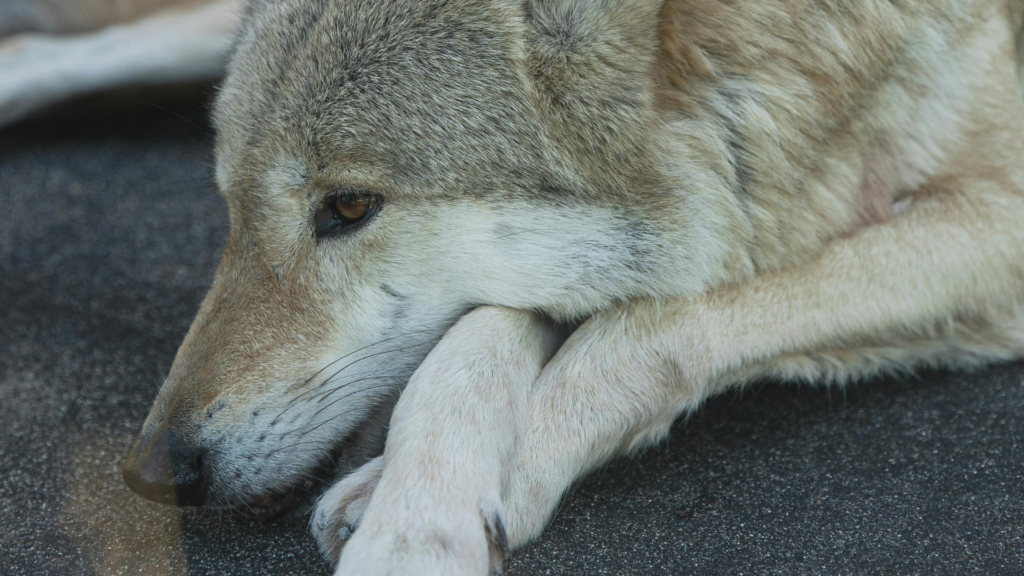
Officials have noted that wolf deaths have stemmed from a range of causes, including natural predation, conflicts with other predators, injuries, and some human‑related incidents. These losses have made it difficult for the population to grow as quickly as planners initially hoped.
Some Reproduction Has Occurred

Despite the losses, there have been signs of progress, including confirmed litters of wolf pups born in the wild. This reproduction offers hope that surviving wolves are beginning to establish family groups and may contribute to future population growth.
Rancher and Public Reactions

The wolf reintroduction program has been controversial among ranchers and others concerned about livestock safety and economic impacts. These tensions have influenced how communities view the program’s successes and challenges.
Wildlife Officials Adjust Strategies
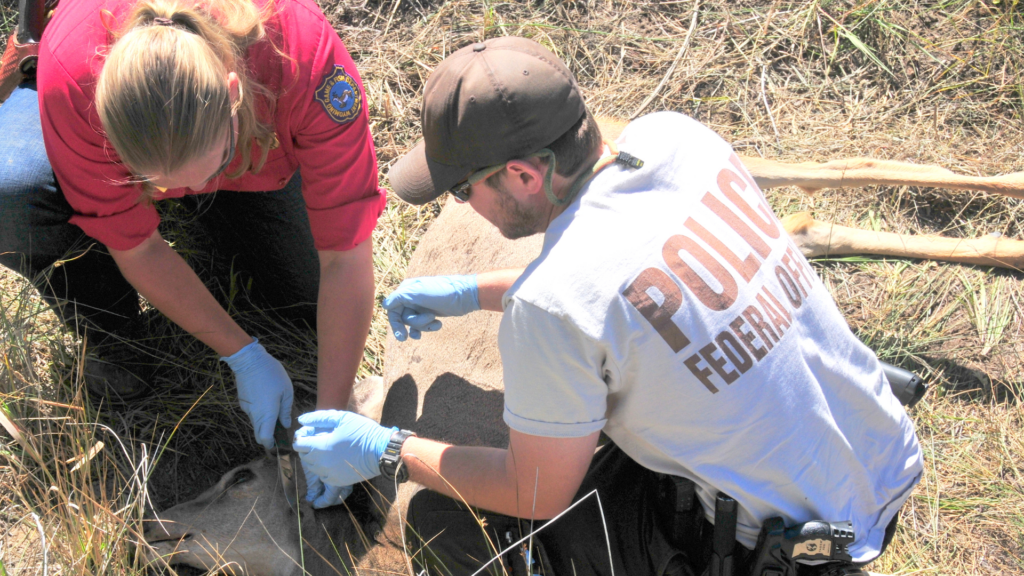
In response to the surprising decline, wildlife officials are evaluating management strategies, monitoring wolf movements more closely, and working to address the factors contributing to mortality as they plan future releases and conservation actions.
What This Means for Future Restoration Efforts
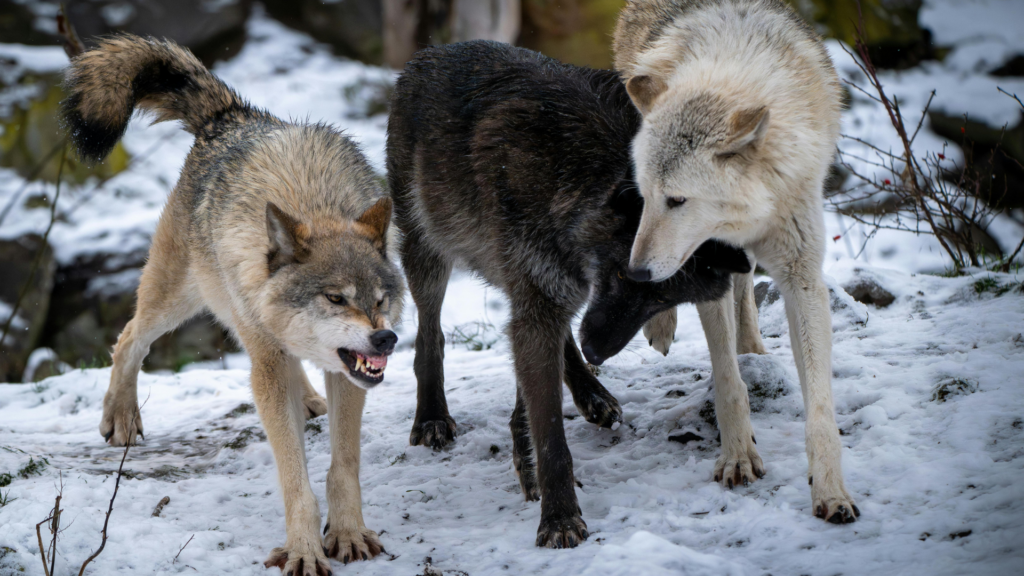
While the decline has been stark, some experts emphasize that reintroduction of any species, especially apex predators, often involves setbacks and learning curves. Future efforts may need to balance ecological goals with adaptive management and local concerns. The reality of more than half of Colorado’s reintroduced wolves dying so soon after release highlights the complexity of restoring large predators. As officials gather more data and refine their approaches, the long‑term success of this effort will depend on careful monitoring, community involvement, and adaptive strategies that support both wildlife and human interests.
PetsFanatic Team
Pet Care Expert & Content Creator
Passionate about sharing knowledge and tips for better pet care. Writing about everything from pet health to training techniques.