
Neon Blue Meat Found Inside Wild Pigs Sparks Panic
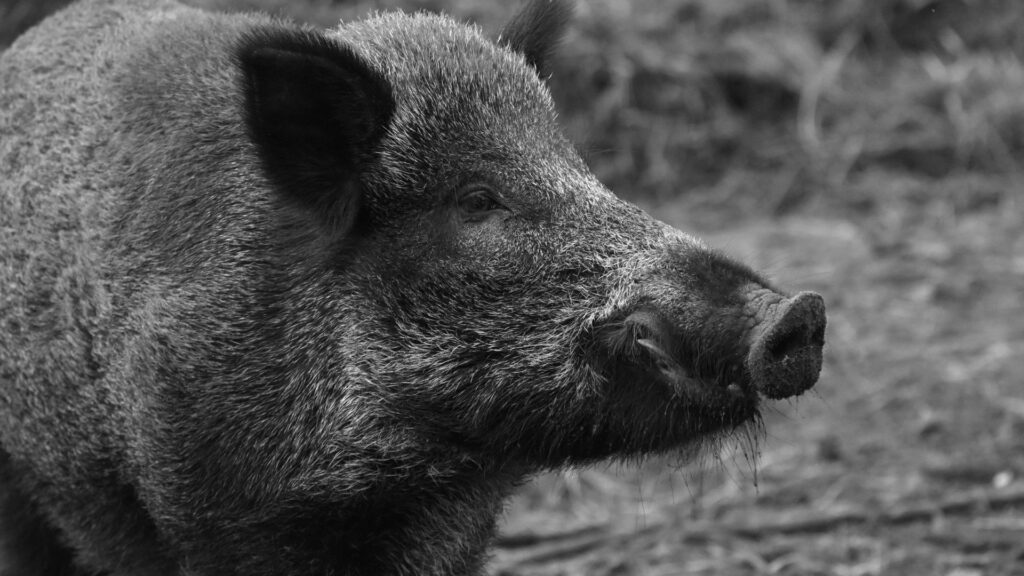
A startling discovery in California has sparked statewide health warnings. Wild pigs in Monterey County have been found with neon blue meat. The shocking discoloration is not from paint or disease, but from something much more sinister. State officials are urging hunters, landowners, and residents to stay alert and cautious.
A Worrisome Find

A wildlife trapper opened up a wild pig to find what he described as “neon blue, blueberry blue,” meat. Multiple pigs on the same property all showed signs of internal discoloration with this shocking, vivid blue hue. Wildlife authorities were immediately concerned.
What Causes the Blue?

Authorities believe the culprit is diphacinone, a dyed rodenticide used in bait stations targeting rodents and ground squirrels. If animals ingest the rodenticide, diphacinone can enter the tissues, dyeing their insides blue. Once consumed, the toxin can cause blood clotting and damage internal organs.
Where Does it Come From?

The wild pigs appear to be breaking into bait stations meant for smaller pests, consuming the poisoned pellets directly. As opportunistic omnivores, they also feed on other smaller animals who are already infected, creating secondary exposure. These bait stations are often placed near agricultural fields or rodent-infested zones.
A Widespread Problem

Unfortunately, this issue is far more widespread in the Monterey area than initially thought. In one location, 12 or 13 pigs tested all displayed the same blue tissue. Because wild pigs roam widely and in great numbers, the contamination could span a much broader territory.
Other Animals Infected

Wild pigs are not the only animals at risk of ingesting the rodenticide and becoming infected. Dr. Ryan Bourbour of the California Department of Fish and Wildlife explains, “Any game animal exposed to rodenticides can be contaminated, including deer, bear, and geese.” A staggering 83% of samples from black bears in the state showed evidence of the rodenticide.
Concerns About Health

Consuming meat exposed to diphacinone poses serious risks to humans and other animals. The toxin remains active in tissues, even once the meat is cooked, and can cause bleeding disorders, organ damage, and toxicity at high levels. Officials warn that no one should assume meat is safe based on appearance alone.
Hidden Exposure

Not every contaminated animal shows obvious blue coloration, which can make detecting the contamination difficult. In some instances, an animal may carry toxin levels without noticeable discoloration, making visual inspection unreliable.
What are the Regulations?

California banned most uses of diphacinone in 2024, but exceptions remain for agricultural and certified pest control use. The ongoing exposures highlight a regulatory challenge in balancing pest control and wildlife safety.
Response & Warnings

The California Department of Fish and Wildlife (CDFW) has issued formal alerts advising hunters to avoid consuming any pig with blue tissue or abnormalities. They encourage reporting such findings to their Wildlife Health Lab and refraining from donating or distributing suspected meat. Meanwhile, officials are investigating contaminated sites and testing samples.
PetsFanatic Team
Pet Care Expert & Content Creator
Passionate about sharing knowledge and tips for better pet care. Writing about everything from pet health to training techniques.