
City Officials Took a Local Farmer to Court, but 14 Neighbors Stepped In to Help

Maintaining a perfectly manicured lawn is a standard weekend chore for millions of suburban families across the United States. A resident in a quiet Ohio suburb completely disrupted this neighborhood norm by tearing up his entire front yard grass to construct a fully operational commercial agriculture center. This radical home transformation quickly triggered a harsh legal crackdown from local municipal authorities, who viewed the residential food crop installation as a major zoning violation. The resulting courtroom battle threatened to criminalize localized vegetable production for ordinary citizens.
Broadcast News Network Documents Suburban Agricultural Legal Fight

Local journalism teams validated the high stakes nature of this suburban legal battle through on-the-scene investigative reporting. Network correspondents at WCPO 9 published an intensive broadcast segment detailing the exact municipal citations and neighborhood responses. The verified video coverage quickly attracted more than 250,000 digital views from interested citizens nationwide, elevating a localized property dispute into a prominent national case study on urban farming rights. This public documentation established a clear, verifiable timeline of the escalating municipal conflict.
Hundreds Of Neighborhood Supporters Mobilize Against Government Citations

Official zoning appeal records show that a dedicated group of 14 local residents personally attended the municipal board proceedings to defend the urban agriculturalist. While municipal code enforcement officers attempted to shut down the residential farm stand entirely, a broader community coalition signed an online petition containing over 1,700 verified digital signatures. This substantial local backing pitted the immediate food security desires of ordinary families directly against the rigid, decade-old regulatory frameworks maintained by conservative city hall planners.
Municipal Retail Restraints Conflict With State Agricultural Protections
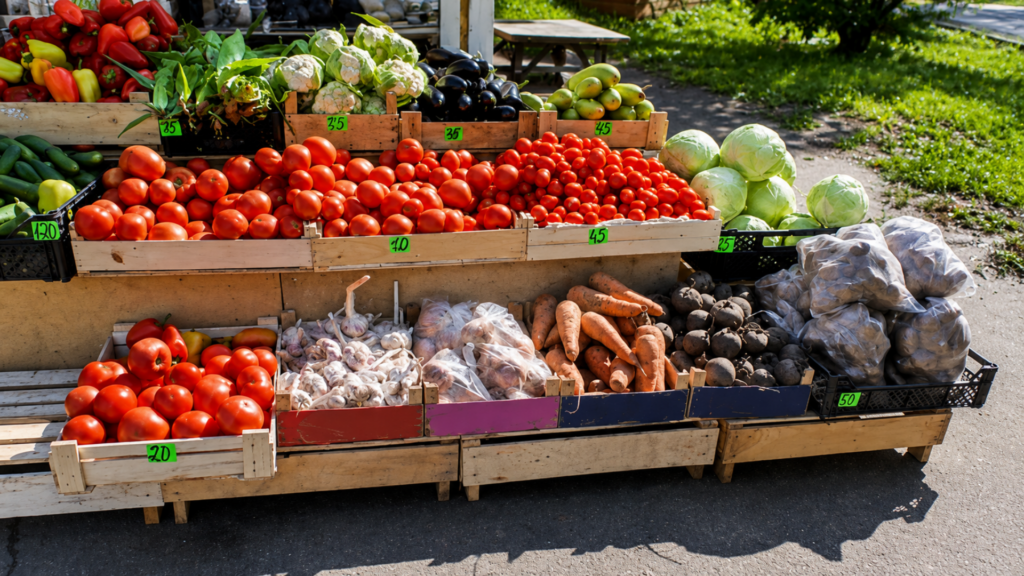
The underlying legal dispute highlighted a massive structural contradiction between local suburban land codes and overarching state laws. City administrators asserted that operating a self-service farm stand from 8 AM to 8 PM on a residential plot violated fundamental local business ordinances. However, traditional agricultural advocates argued that specific Ohio statutory codes explicitly protect the inherent right of individuals to sell home-grown products directly from their personal property. This deep legal tension left the local family business facing sudden closure within 48 hours.
Local Grower Transforms Hidden Hobby Into Public Supply Point
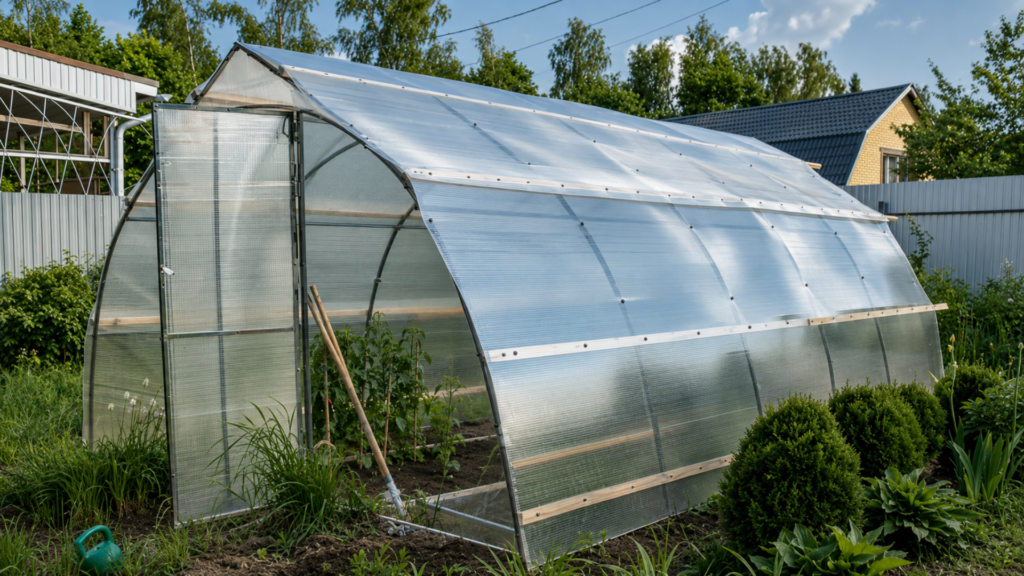
The central organizer of the agricultural operation, Sharonville resident Andy Gorman, initially launched his planting project in total secrecy inside his family garage. He originally sought to transition into a personal, plant-based diet, but his agricultural yields quickly outpaced his own household consumption needs. To prevent massive food waste, Gorman installed high tunnels in his backyard and planted extensive rows of potatoes across his front yard. He then began distributing the surplus produce directly to surrounding households from his driveway.
Zoning Appeal Board Unanimously Overturns Heavy Municipal Penalties

“A Huge Win for Sharonville, the Farm, and Our Community! Last night was an incredible moment not just for me, but for everyone who believes in local food, community, and common sense.” Local farmer Andy Gorman published this statement on his official Cincy Urban Farm digital platform after the Sharonville Zoning Appeals Board voted unanimously to cancel his violation notice.
Restrictive Zoning Codes Stifle Sustainable Urban Agriculture Expansion

The intense legal friction experienced in this quiet Ohio suburb mirrors a much larger problem affecting small-scale food producers across the nation. Comprehensive global research compiled by Cambridge University reveals that urban micro-farms face severe systemic hurdles in regions where local municipalities retain total regulatory authority. Traditional bureaucratic structures regularly fail to support modern sustainable cultivation methods, actively hindering grass-roots food security through complex public health ordinances, restrictive commercial permitting, and outdated neighborhood aesthetic rules.
Digital Communities Demand Freedom From Industrial Food Consolidation

The successful resolution of the Ohio property dispute triggered widespread commentary across multiple digital platforms regarding the future of public food access. Thousands of ordinary citizens expressed deep concern over the growing corporate consolidation of the American agricultural supply chain. Online observers frequently noted that centralized industrial distributors remain highly threatened by independent citizens who possess the practical skills to grow and distribute their own nutrition locally without relying on standard commercial grocery cartels.
Suburban Families Seek Direct Access To Nutritious Food

For typical suburban households, the availability of a localized neighborhood farm stand offers a direct alternative to soaring corporate supermarket prices. Accessing fresh, non-industrial produce within walking distance of a residential home allows ordinary families to reduce their monthly grocery expenses while avoiding heavily processed items. The ability to buy clean vegetables over a simple driveway counter grounds abstract macroeconomic issues like food inflation into a tangible, human-scale solution that immediately improves daily nutrition.
Home Cultivation Wins Reshape Future Suburban Development Standards

The unanimous legal victory secured by the neighborhood coalition serves as an early prologue to a broader transformation in American land management. Decades of strict suburban dedication to purely decorative green lawns are slowly yielding to more functional, ecologically sustainable residential landscapes. Long after this specific zoning dispute fades from the local news cycle, the case will stand as a crucial baseline for future legal battles regarding the fundamental right of ordinary citizens to cultivate sustenance on their own land.
PetsFanatic Team
Pet Care Expert & Content Creator
Passionate about sharing knowledge and tips for better pet care. Writing about everything from pet health to training techniques.