
Mystery Shark Caught on Camera for the First Time in Antarctica’s Near-Freezing Deep Waters
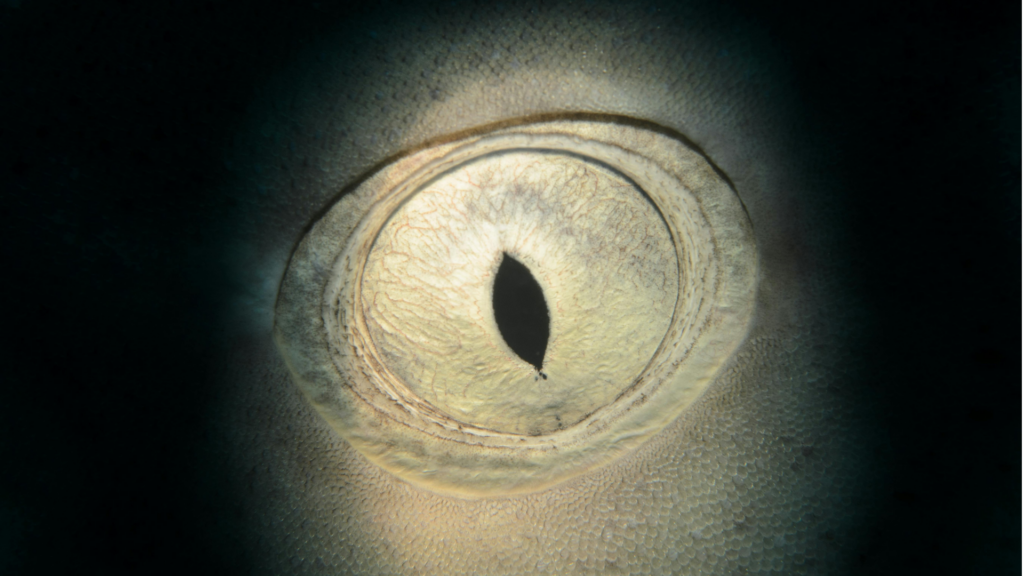
Scientists have made a stunning discovery in one of the most extreme environments on Earth, capturing footage of a mysterious shark swimming in the icy depths of Antarctica for the very first time. The sighting challenges long-held assumptions that sharks could not survive in such frigid waters, opening a new chapter in our understanding of life in the Southern Ocean.
The shark was recorded by a deep-sea research camera positioned roughly 1,600 feet below the surface, where temperatures hover just above freezing at around 34 degrees Fahrenheit. At this depth, sunlight cannot penetrate, and conditions are harsh and largely unexplored, making the encounter both rare and scientifically significant.
For decades, experts believed Antarctica’s waters were simply too cold and isolated for sharks to inhabit, but this unexpected footage suggests that assumption may have been wrong all along. Instead, it appears that these elusive predators may have been living undetected in the region’s deep waters, hidden from view due to the difficulty of studying such remote environments.
A Rare Predator Emerges From The Antarctic Depths
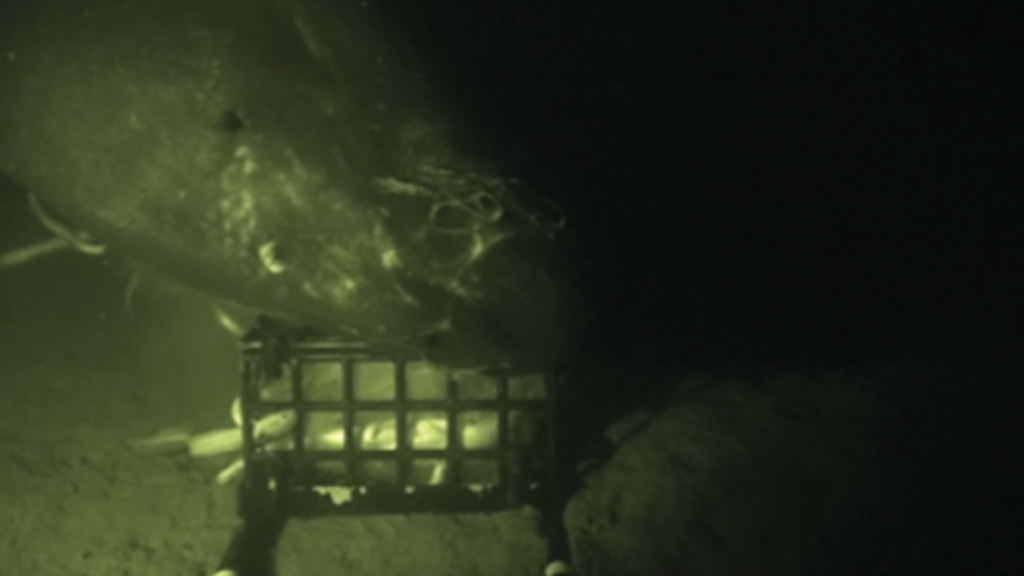
The shark captured on camera is believed to be a type of sleeper shark, a slow-moving deep-sea predator known for its ability to survive in cold, high-pressure environments. Measuring an estimated 10 to 13 feet in length, the animal appeared calm as it glided across the ocean floor, offering researchers their first direct look at a shark in Antarctic waters.
Sleeper sharks are uniquely adapted to extreme conditions, with biological traits that allow them to function in low temperatures and at great depths where oxygen levels are limited. Their slow metabolism and ability to tolerate cold environments make them one of the few shark species capable of surviving in places that were once thought to be completely inhospitable.
The discovery also revealed other familiar deep-sea life, including a skate resting motionless on the seabed, highlighting that while some species were already known to inhabit these waters, the presence of a large shark adds a new layer of complexity to the Antarctic ecosystem.
Why Scientists Are Rethinking Antarctic Marine Life

This unexpected sighting is forcing scientists to reconsider what kinds of life can exist in the Southern Ocean, particularly in its deepest and least explored regions. Because research in Antarctica is limited to short seasonal windows, vast portions of the ocean remain unobserved for most of the year, meaning discoveries like this may only represent a small glimpse of what is actually present.
Some researchers believe that environmental changes, including shifting ocean temperatures, could be influencing the distribution of marine species, potentially allowing animals like sharks to expand into new territories. However, others suggest that these predators may have always been there, simply escaping detection due to the challenges of deep-sea exploration.
The fact that such a large predator could go unnoticed for so long underscores just how little is known about Earth’s oceans, particularly in extreme environments like Antarctica. Each new discovery adds valuable data, helping scientists build a more complete picture of how life adapts and survives in the planet’s harshest conditions.
A Discovery That Changes What We Thought We Knew

The first recorded sighting of a shark in Antarctica is more than just a surprising moment, it represents a shift in how scientists understand marine ecosystems in some of the most remote parts of the world. What was once considered an unlikely habitat for such predators is now being reexamined as a potentially richer and more diverse environment than previously imagined.
As researchers continue to deploy advanced cameras and deep-sea equipment, more hidden species may come into view, revealing ecosystems that have remained largely invisible until now. These findings not only expand scientific knowledge but also highlight the importance of continued exploration and monitoring of fragile ocean environments.
Ultimately, this mysterious shark serves as a reminder that even in the coldest, darkest corners of the planet, life finds a way to persist, often in forms that challenge our expectations and push the boundaries of what we believe is possible.
PetsFanatic Team
Pet Care Expert & Content Creator
Passionate about sharing knowledge and tips for better pet care. Writing about everything from pet health to training techniques.