
Mysterious ‘White Halos’ Appear Around Thousands of Barrels at the Bottom of the Ocean
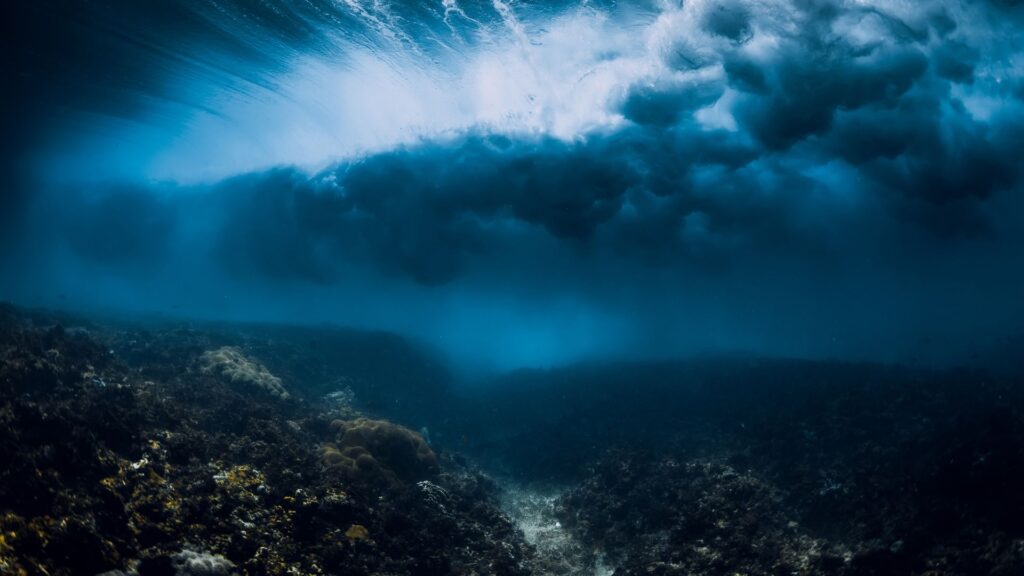
The Pacific seafloor off the coast of Southern California harbors a silent, chemical graveyard, marked by thousands of corroding barrels dumped decades ago. Recent discoveries surrounding these abandoned containers have offered a perplexing, yet crucial, new insight into this long-term environmental mystery. This analysis dives into the remarkable findings concerning the strange, ghostly white halos encircling many of these sunken remnants, offering a fresh perspective on what exactly lies within these cold, deep-sea tombs.
The Enigmatic Appearance of Deep-Sea Halos

Researchers utilizing remote underwater vehicles have repeatedly encountered thousands of deteriorating barrels off the Los Angeles coast near Catalina Island. A more recent and intriguing development is the discovery of white rings, or halos, enveloping many of these barrels, suggesting an ongoing, slow-motion chemical reaction decades after they were deposited.
A Chemical Dumping Ground in the San Pedro Basin

The sheer scale of this dumping is staggering; a sonar survey detected roughly 27,000 barrels scattered across the San Pedro basin alone. This number is thought to be just a fraction of the estimated half-million containers potentially discarded by the DDT manufacturing industry, notably the Montrose Chemical Company, throughout the 20th century.
Ruling Out DDT as the Barrel’s Primary Content

While significant concentrations of the toxic insecticide DDT and its byproducts persist in the sediment of this region, scientific testing has consistently indicated that the barrels themselves are likely not the main source. The most notorious DDT waste, acid sludge, was handled differently, according to 2021 reports from the EPA.
The Method of DDT Sludge Disposal

The Environmental Protection Agency previously documented that acid waste containing DDT was not typically stored in barrels. Instead, it was transported in tanker trucks, pumped onto barges at the Port of Los Angeles, towed to a designated spot called Disposal Site #2, and simply dumped into the ocean in large volumes.
The Barrels Hold a Different Chemical Secret

Confirming previous findings, new research from a team led by marine biologist Johanna Gutleben at Scripps Institution of Oceanography supports the idea that the barrels contain other chemical substances. DDT concentrations were not significantly higher immediately next to the containers, which would be expected if the barrels were the source of the insecticide.
Clues Provided by the Mysterious Concretions

The strange white halos, which manifest as concretions around many of the barrels, provide the crucial physical evidence pointing toward their actual contents. Sediment samples collected from these encircling rings offered a definitive clue, indicating the contents were the chemical opposite of the acid sludge associated with DDT production.
An Extremely Alkaline Reaction

Analysis of sediment gathered from three halo-ringed barrels revealed an extremely high pH level, indicating a highly alkaline substance. The material was so solid in some instances that researchers needed to use a robotic arm, rather than standard core sampling devices, just to chip off a piece for laboratory examination.
Brucite, the Primary Mineral Signature

The solid material forming these white formations is predominantly a mineral known as brucite. This suggests that alkaline compounds leaking from the barrels are reacting with the magnesium content naturally present in the surrounding seawater, which ultimately forms this solid, concrete-like substance.
A Unique Deep-Sea Microbial Community

The extreme alkalinity, which is constantly elevated as the brucite dissolves, has created an environment suitable only for certain organisms. The only microbes found inhabiting the sediment are typically associated with naturally occurring features like hydrothermal vents and alkaline hot springs, indicating a radical localized shift in the ecosystem.
Consequences and the Unquantified Environmental Toll

Marine biologist Paul Jensen notes the shocking persistence of these effects more than 50 years later, emphasizing that the dumping continues to have a noticeable localized impact on microbial life. Without a clearer understanding of what else was dumped and how many halo-encircled barrels remain, the full environmental consequences of this historic chemical disposal remain largely unquantifiable.
PetsFanatic Team
Pet Care Expert & Content Creator
Passionate about sharing knowledge and tips for better pet care. Writing about everything from pet health to training techniques.