
Mysterious Bright Lights Detected on Mercury Suggest the Planet Isn’t As ‘Dead’ As Once Thought

Astronomers studying Mercury have detected mysterious bright lines on the planet’s surface that suggest it may not be the geologically “dead” world scientists once assumed, with new research indicating that these features may be signs of recent activity deep beneath the surface. These bright streaks, formally known as “lineae,” were mapped in unprecedented detail using machine learning and tens of thousands of images captured by NASA’s MESSENGER spacecraft during its mission from 2011 to 2015, revealing hundreds of previously uncharted features that may be forming even today.
What Are the Bright Lines on Mercury
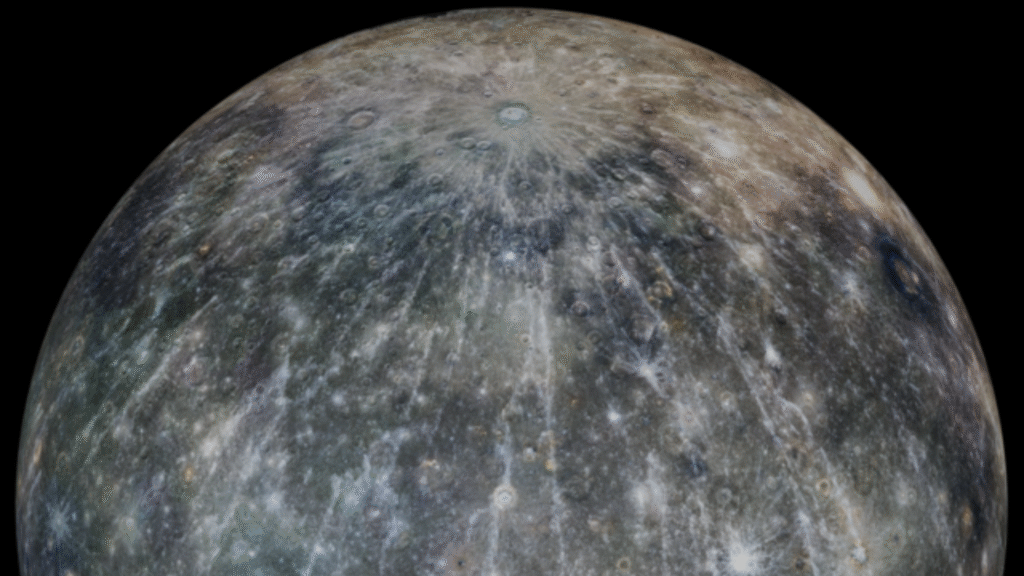
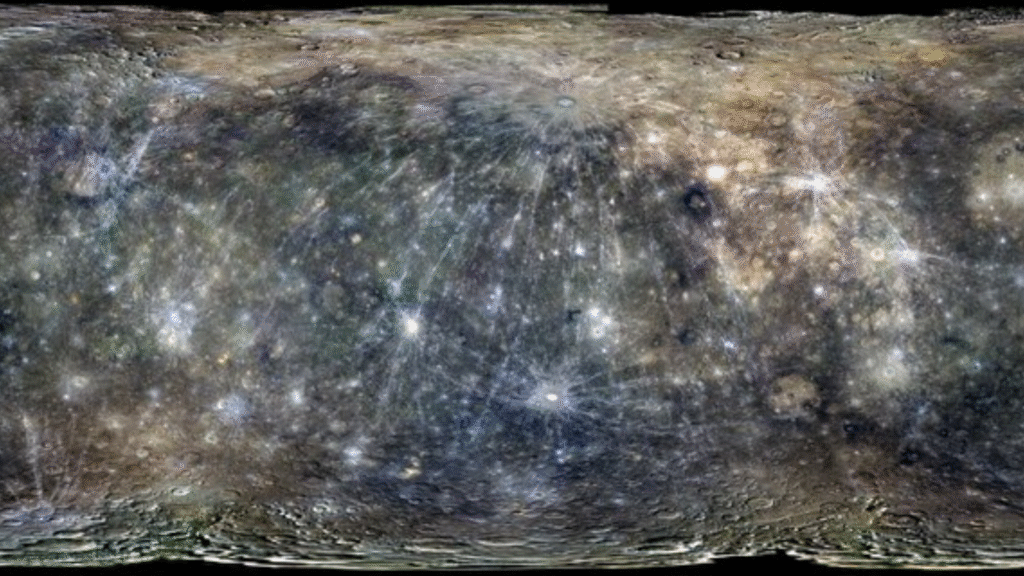
The bright streaks seen on Mercury are linear features that appear on the sun-facing slopes of young impact craters and are much more numerous than earlier surveys suggested, leading scientists to take a fresh look at Mercury’s surface dynamics. These lineae stand out because they contrast sharply with the darker surrounding terrain, and their brightness and distribution point to processes that may still be active on the innermost planet despite its lack of a thick atmosphere or plate tectonics.
How Scientists Mapped the Streaks

Researchers from the University of Bern and the Astronomical Observatory of Padua created a systematic inventory of about 400 of these bright streaks using a deep learning algorithm to analyze high-resolution MESSENGER data, which provided around 100,000 images of Mercury’s surface. This approach allowed scientists to catalog the locations and shapes of these features across vast areas of terrain that had not previously been systematically studied, offering new insight into the patterns and prevalence of bright lineae across the small rocky world.
What Might Be Causing the Features
The leading hypothesis for the formation of these bright streaks suggests that volatile materials such as sulfur or other light elements may be escaping from beneath Mercury’s crust and reaching the surface through networks of cracks created by meteorite impacts. These materials could be exposed or redistributed by the combined influence of sunlight and the extreme temperature changes that the planet experiences, pushing fresh, reflective material onto slopes where it is visible as bright lineae.
Why This Challenges “Dead Planet” Assumptions
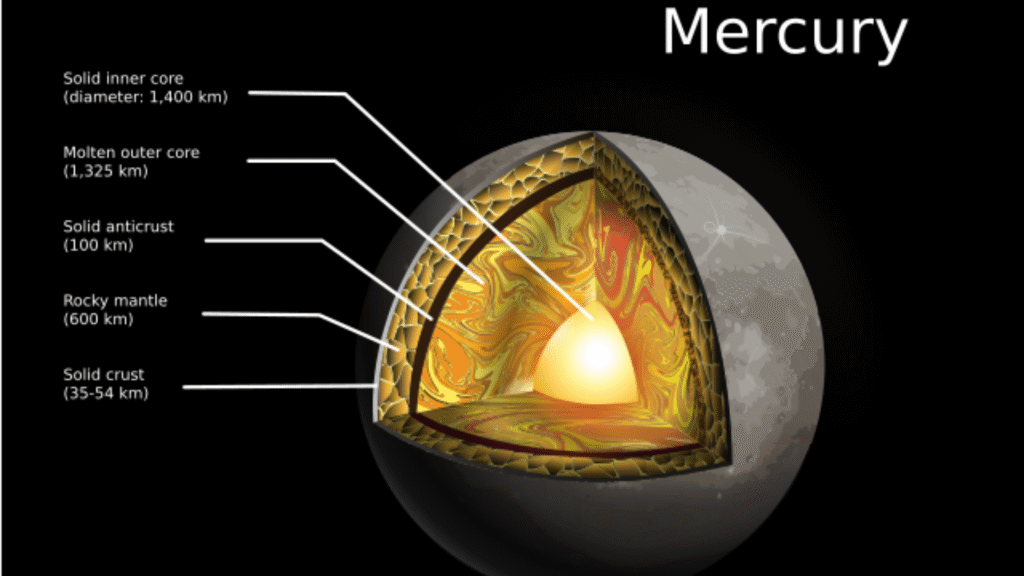
For decades Mercury was thought to be largely geologically inactive, having cooled significantly since its formation and lacking Earth-like plate tectonics, volcanism or an atmosphere capable of driving surface change. The discovery that volatile material may still be moving to the surface and creating observable features suggests that the planet’s interior processes have not completely shut down, hinting at subtle but ongoing geological evolution rather than a static, dormant state.
Connection to Surface Hollows

Many of the bright streaks appear to originate from bright depressions known as hollows, which are unique surface features on Mercury first documented by MESSENGER, and thought to form as volatile-rich material escapes and erodes the surrounding rock. These hollows, which also contrast strongly with older cratered terrain, provide additional evidence that Mercury’s surface is still being modified by processes linked to the release of volatile substances from below, a surprising finding for a world so close to the Sun.
What This Means for Mercury’s Geology

The presence of these bright lineae and their apparent association with ongoing volatile loss may indicate that Mercury’s interior retains more heat and volatile content than previously thought and that its crust is still capable of responding to environmental forces in ways that refresh or alter surface characteristics. This challenges traditional views of small, heavily cratered planets as fully cooled and inert bodies, suggesting instead a more nuanced picture of planetary aging and evolution.
Looking Forward to New Missions

Scientists hope that upcoming data from the European Space Agency and Japan Aerospace Exploration Agency’s BepiColombo mission, which is en route to Mercury and scheduled to begin detailed observations around late 2026 into 2027, will help confirm whether these bright lineae are actively forming and reveal how volatile material moves beneath Mercury’s crust. BepiColombo’s advanced instruments should provide higher resolution imaging and compositional measurements that could clarify the mechanisms behind this surprising geological activity.
Why This Discovery Matters

Understanding whether Mercury is still geologically active has broader implications for how scientists think about planetary evolution, especially for other rocky worlds with limited atmospheres such as the Moon and Mars, and for exoplanets orbiting close to their stars. If subtle activity persists on Mercury, it suggests that heat and volatile transport may play roles in shaping surfaces long after the most dramatic geological epochs have ended elsewhere in the solar system.
Mysterious Bright Lines on Mercury

In conclusion, the detection and analysis of mysterious bright lines on Mercury’s surface have led astronomers to reconsider the long-held belief that the innermost planet is a dead, inactive world, with new evidence pointing to ongoing processes that can bring volatile materials from beneath the crust to the surface and modify terrain even today. As future missions provide more data, scientists hope to better understand how these features form and what they reveal about Mercury’s dynamic geological character, offering fresh insight into the evolving nature of small rocky planets.
PetsFanatic Team
Pet Care Expert & Content Creator
Passionate about sharing knowledge and tips for better pet care. Writing about everything from pet health to training techniques.