
Runaway Mule Uncovers Lost Cliffside City

A wandering mule once led an explorer into Arizona’s deep canyons, revealing a hidden stone village untouched for centuries. Sheltered high in the cliffs, the site looked as if its residents had stepped out only yesterday. Pottery, food, and sandals still waited in quiet rooms. What started as a chase through the desert turned into one of archaeology’s most surprising discoveries, uncovering a snapshot of life frozen more than 600 years ago.
Hidden Village Beneath Arizona’s Sandstone Cliffs

Tucked deep within Tsegi Canyon, a stone village called Keet Seel rests beneath a sweeping sandstone alcove. Its rooms and ceremonial spaces have stayed remarkably preserved for centuries, protected by the rock’s natural cover. The site dates back to the 1200s and once housed a thriving Puebloan community. Shielded from wind and rain, its walls still stand strong, allowing visitors to see how people once lived high above the desert floor.
Meaning Behind the Name Keet Seel
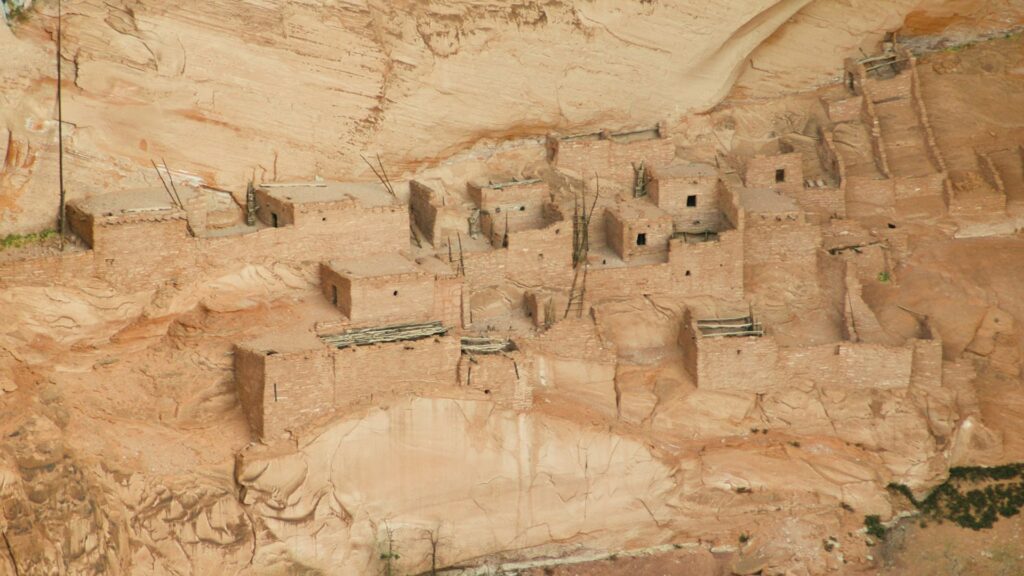
The name “Keet Seel” comes from a Navajo phrase meaning “broken pottery scattered around.” Early visitors noticed fragments of ancient pottery spread across the canyon floor, marking traces of past life left untouched for centuries. The name reflects both the site’s preservation and the people who once lived there. It also serves as a reminder that even fragments can tell a complete story about how communities once thrived in the Arizona high desert.
Parrot Remains Reveal Long-Distance Trade

Archaeologists found the remains of a scarlet macaw inside Keet Seel, showing how far people once traded across the Southwest. The bird came from tropical regions hundreds of miles away, so its presence hints at wide connections between desert settlements and distant cultures. Feathers, shells, and other goods likely moved through the same routes. The find adds another layer to how resourceful and connected the Keet Seel community once was in its high canyon home.
Natural Shelter Preserves Ancient Architecture

Keet Seel sits deep beneath a massive sandstone alcove that shields it from rain, wind, and sunlight. The overhang kept mud plaster walls, wood beams, and pottery safe for centuries. Dry air and limited exposure helped the rooms stay nearly intact, so the structures still look much like they did when first built. The natural protection turned the canyon into a perfect time capsule, showing how environment and architecture worked together to preserve the site.
Life Of The Ancestral Puebloans In The High Desert

Centuries ago, the Ancestral Puebloans built their homes high in Arizona’s desert canyons. They carved rooms into stone and grew crops like corn, beans, and squash near small springs. Living there meant adapting to dry air, rocky soil, and scarce water, so every harvest and crafted tool mattered. Their communities thrived through cooperation and resourcefulness, leaving behind a story of everyday life that still feels close enough to touch within those canyon walls.
Building Boom And Architectural Ingenuity

Between 1272 and 1275, the people of Keet Seel built quickly and with purpose. More than 150 rooms and several kivas took shape under the sandstone alcove, organized into clusters that felt like small neighborhoods. The sandstone walls, retaining structures, and courtyards show careful planning and teamwork. Every stone fit neatly into place, so their craftsmanship still stands strong centuries later, showing how much skill and coordination went into creating a thriving cliffside community.
Construction Phases Show Rapid Expansion

Archaeological records show that most of Keet Seel was built in only a few years between 1272 and 1275. Builders worked quickly, adding more than 150 rooms and several kivas in tightly packed clusters. The speed and organization suggest families moved in at once, filling the alcove with new homes and activity. Every structure followed a clear plan, so the entire settlement grew fast without losing the careful layout that still defines it today.
Population Growth Before the Abandonment

Archaeologists believe Keet Seel once held around 150 people living in more than 160 rooms. Families likely moved in as nearby settlements faced drought and declining crops. The sheltered location, access to water, and fertile canyon soil made it an ideal refuge. Growth happened fast, so new rooms and kivas filled the alcove within a short time. The population boom showed how quickly communities adapted when the high desert started to change.
Farming And Survival In Harsh Terrain

The people of Keet Seel knew how to make the desert work for them. They gathered water from natural springs and sandstone runoff, then used it to grow corn, beans, and squash. Those crops became the heart of daily life, feeding families and keeping storage rooms full. The community also built clever irrigation and storage systems, so even in dry seasons, they had enough to live comfortably in their high, secluded canyon home.
Ceremonial Life Inside The Kivas

Deep inside Keet Seel, six kivas sat at the center of community life. These circular underground rooms brought people together for ceremonies, storytelling, and gatherings that tied daily living to spiritual beliefs. Built with care and purpose, they offered a quiet place for reflection and connection. Each kiva showed how closely community, tradition, and belief were woven together, so their presence still hints at the rhythm of life within the ancient cliffside village.
Drought And The Sudden Abandonment
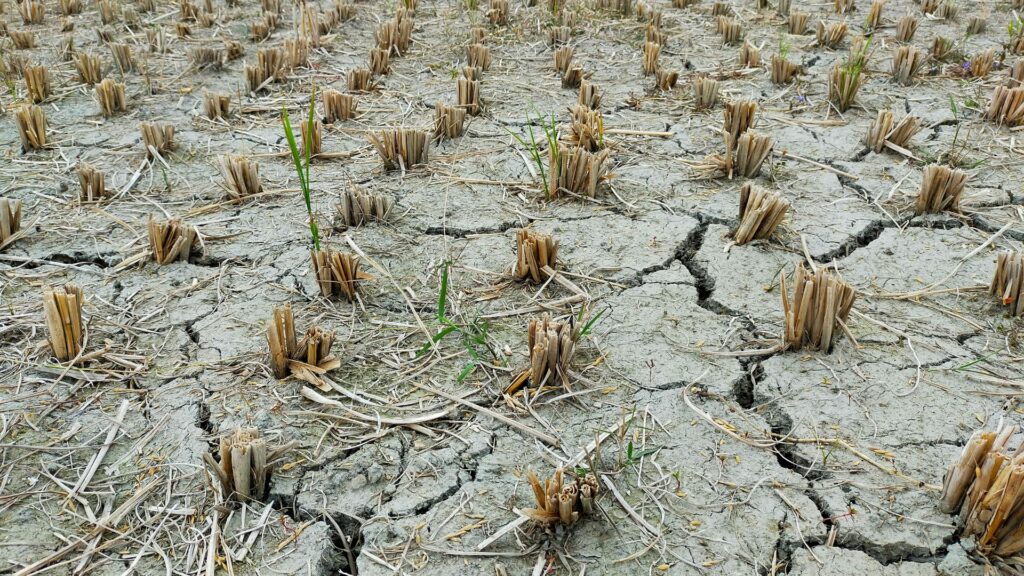
Around the late 1200s, the region went through what’s known as the Great Drought. Crops began to fail, water sources dried up, and food became increasingly scarce. Families who once filled Keet Seel’s rooms slowly left in search of better conditions. Within a few decades, the cliffside village fell silent. Its walls, pottery, and kivas stayed hidden under the sandstone alcove, waiting centuries to tell the story of those who once lived there.
A Runaway Mule Leads To Rediscovery

In 1895, explorer Richard Wetherill camped in Tsegi Canyon when his mule suddenly bolted into the distance. He followed its tracks through the rocky terrain and ended up staring at the hidden ruins of Keet Seel. The stone walls and rooms stood perfectly preserved under a vast sandstone alcove. What began as a chase through the canyon turned into one of the most remarkable archaeological discoveries in the American Southwest.
Protecting Keet Seel For Future Generations

Keet Seel now sits safely within the Navajo National Monument, protected since 1909. Access is limited, so visitors can only reach it through a ranger-guided hike that winds through rugged canyon trails. The long trek helps keep the site preserved while giving visitors a closer look at the landscape that shaped it. Efforts continue to balance preservation and education, so future generations can stand beneath the same alcove and see what time left untouched.
The Rugged Journey to Reach Keet Seel

Reaching Keet Seel means hiking through Tsegi Canyon on a long and demanding trail. The route stretches nearly seventeen miles round trip and crosses streams, sand, and uneven terrain. Hikers need a permit and must check in with a park ranger before setting out. The trip takes most of a day, so visitors usually camp near the site before heading back. The effort makes the visit feel earned and helps protect the ancient cliff dwellings.
Permits Limit Access to Protect the Site

Keet Seel can only be visited with a ranger and requires a permit from the Navajo National Monument Visitor Center. Only a small number of hikers are allowed each day, so the ruins stay undisturbed. Visitors check in before hiking and often attend a short orientation about safety and preservation. The limited access keeps the paths from wearing down and helps preserve the ancient walls that have survived through centuries of desert weather.
Trail Conditions Test Every Visitor

The hike to Keet Seel isn’t simple, even for experienced hikers. The trail winds through canyons, crosses streams, and stretches across loose sand that can shift underfoot. Summer heat and sudden rain can also change the path within hours, so timing matters. Rangers recommend sturdy shoes and plenty of water for the long journey. Every visitor earns a deeper respect for the land after walking the same terrain once traveled by ancient Puebloan families.
Navajo Stewardship Guides Modern Preservation
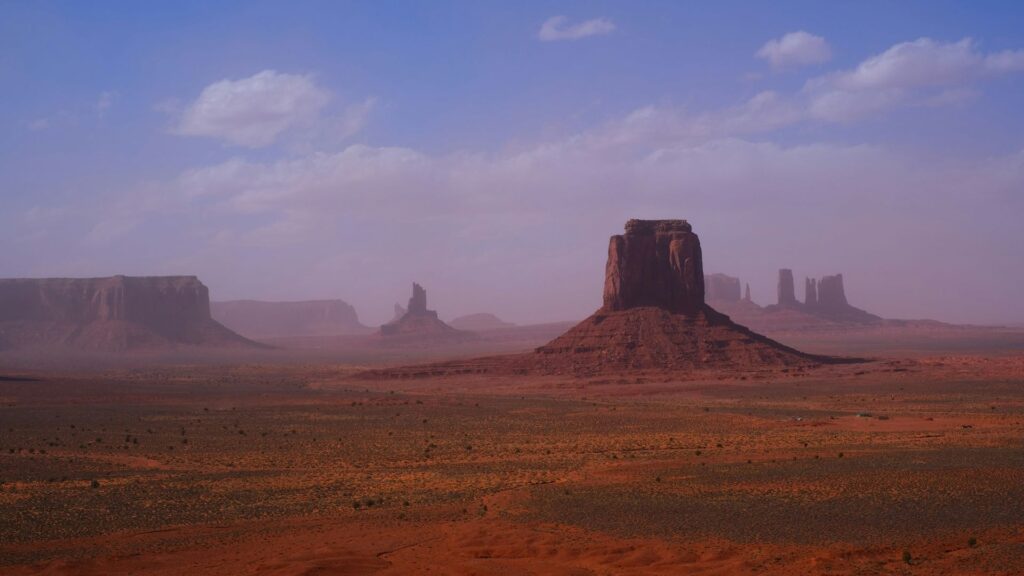
Keet Seel sits within the Navajo Nation land, and its protection depends on the guidance of local rangers and community caretakers. The Navajo Parks and Recreation Department works with the National Park Service to balance visitor access and preservation. Rangers lead tours, monitor conditions, and share the site’s cultural meaning with respect for those who once lived there. Their stewardship keeps the history of Keet Seel connected to the people who still call the region home.
Canyon Silence Echoes the Ancient Past

The quiet around Keet Seel feels almost timeless. Wind moves through the canyon walls, and footsteps echo against the sandstone where families once lived. Visitors often stop and listen, sensing how life once filled these same spaces. Every sound, from birds and water to the rustle of leaves, adds to the feeling that the past still lingers here. The silence connects modern visitors to a moment in history that has stayed untouched for centuries.
Echoes Of An Ancient Community

Keet Seel stands as a rare connection to the past, tucked safely within the Arizona cliffs. Every wall and pathway still tells a story of those who built, farmed, and lived there centuries ago. The village may be quiet now, but it continues to draw people curious to see how life once thrived in the high desert. Visiting it feels like stepping into history that’s managed to stay perfectly still.
PetsFanatic Team
Pet Care Expert & Content Creator
Passionate about sharing knowledge and tips for better pet care. Writing about everything from pet health to training techniques.