
More Than 1,200 Marine Species Are Eating Plastic—and Even Small Amounts Can Be Deadly
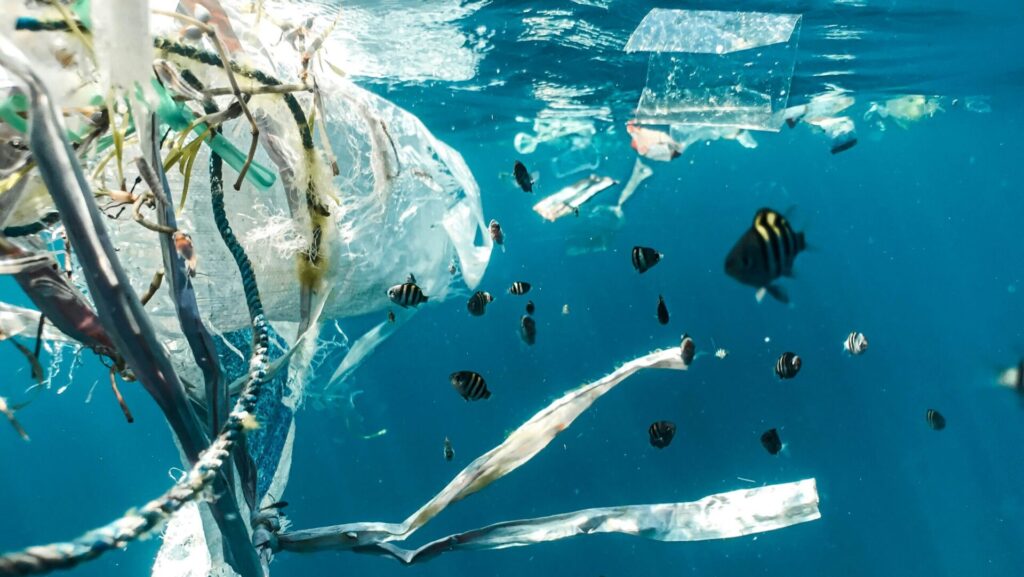
Each year, an estimated 24 billion pounds of plastic flow into the world’s oceans. What often looks like floating debris to humans can resemble food to marine animals. Unable to tell the difference, countless species ingest plastic—sometimes with fatal consequences.
While scientists have long known that plastic pollution harms marine life, new research reveals just how little plastic it takes to become deadly. A sweeping study analyzing more than 10,000 marine animal autopsies shows that even small amounts of ingested plastic can dramatically increase the likelihood of death, painting one of the clearest pictures yet of the scale and severity of the crisis.
Unlike many environmental threats that unfold gradually, plastic pollution poses an immediate danger to marine life. Once ingested, plastic can cause internal injuries, block digestion, or create a false sense of fullness that leads animals to slowly starve. For species already facing habitat loss, climate change, and overfishing, even a small encounter with plastic waste can become a fatal tipping point.
What Thousands of Autopsies Revealed About Plastic Ingestion
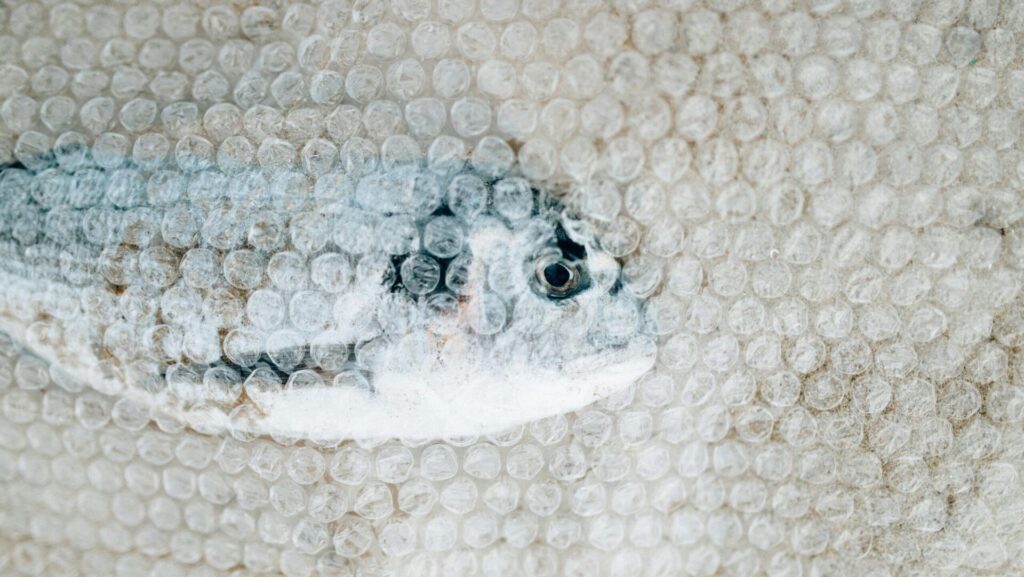
The study, published on November 17 in Proceedings of the National Academy of Sciences, examined autopsy data from stranded and deceased marine animals across the globe. Researchers compiled information from scientific literature, wildlife databases, and their own investigations to understand how plastic affects different species.
The final dataset included all seven species of sea turtles, 57 seabird species, and 31 marine mammal species. Researchers focused on macroplastics—plastic pieces large enough to be seen by the naked eye—which can block digestive systems, puncture organs, or cause fatal twisting of the gut.
The findings were alarming. Roughly half of all sea turtles, one-third of seabirds, and one in eight marine mammals examined had plastic in their stomachs. By analyzing how many pieces and how much volume of plastic led to death, researchers found that even surprisingly small amounts could be lethal.
How Little Plastic It Takes to Kill Marine Animals

According to the study, a small seabird such as an Atlantic puffin has a 90 percent chance of dying after ingesting plastic equal to just three sugar cubes. For animals that rely on constant feeding to survive, plastic quickly becomes a deadly substitute for real nourishment.
Larger animals are not spared. A loggerhead sea turtle faces a similar risk after ingesting plastic roughly equivalent to two baseballs. A harbor porpoise reaches that same level of danger after consuming about the volume of a soccer ball. Size does not offer protection when plastic accumulates inside the body.
The study also revealed that not all plastics are equally harmful. Rubber materials—such as balloons—were especially deadly for seabirds, with just six pea-sized pieces proving fatal. Marine mammals were most affected by discarded fishing gear; for a sperm whale, plastic equal to 28 tennis balls could be lethal.
Why Plastic Pollution Is an Immediate Threat—Not Just an Eyesore

Researchers emphasize that these findings likely underestimate the true danger of plastic pollution. The study did not examine microplastics, which are even smaller and more widespread, nor did it include other deadly effects such as strangulation, toxic exposure, or long-term malnutrition.
Experts agree that the most effective solution is prevention. Reducing the amount of plastic entering the ocean—through stronger local and national policies—is critical. As researchers note, plastic pollution is not merely unsightly; it represents a serious and immediate threat to marine life. Without urgent action, more species will continue to suffer the consequences of a problem humans created.
PetsFanatic Team
Pet Care Expert & Content Creator
Passionate about sharing knowledge and tips for better pet care. Writing about everything from pet health to training techniques.