
Montana’s Flathead Lake Hit 300% of Normal Water Flow, Yet Its Operators Now Fear Running Dry
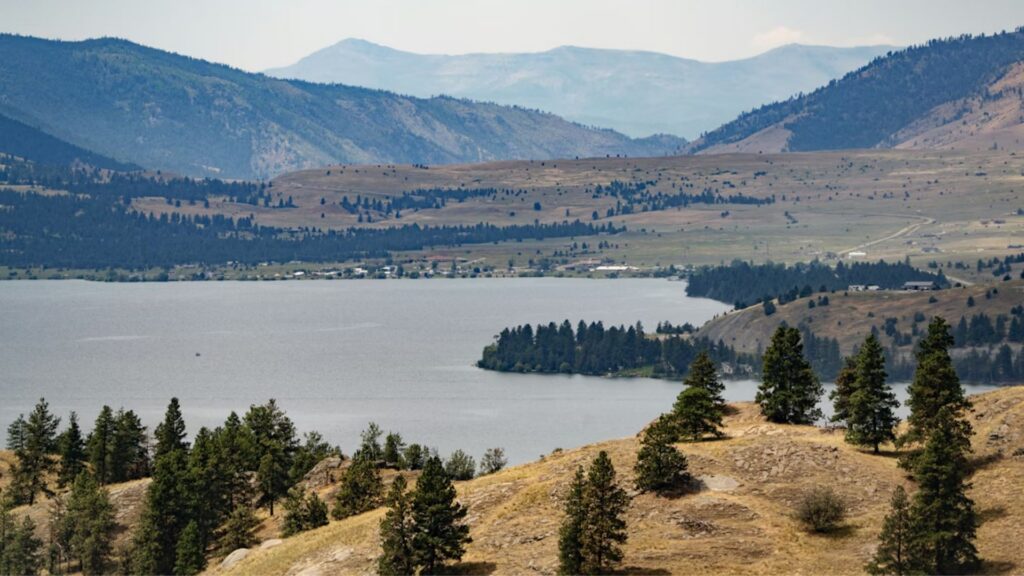
Flathead Lake in Montana entered 2026 sitting near midsummer water levels, a condition that would normally be months away. An atmospheric river swept through western Montana in December, depositing 9.41 inches of precipitation, most of it as rain on existing snow. That combination accelerated runoff into the Flathead Basin far faster than seasonal norms, pushing the lake to within a foot of full pool.
The lake’s full pool sits at 2,893 feet. Under typical winter conditions, levels would run five to six feet below that mark by early January. Instead, inflows reached over 300% of normal, according to Brian Lipscomb, CEO of Energy Keepers Inc., the tribally owned organization that operates the Se̓liš Ksanka Qĺispe’ Dam and manages the upper 10 feet of the lake’s storage.
Those 10 feet represent 1.2 million acre-feet of water, and December’s rainfall filled nearly all of that storage. The conditions disrupted local routines along the shoreline, including seasonal traditions like polar plunges, while high water and windstorms caused damage to docks and boat lifts. Resident Larry Menghini, speaking to the Flathead Beacon, said the recurring damage was not something the community could keep absorbing.
How Operators Held the Columbia River Just Below Flood Stage

Managing Flathead Lake during the surge required more than local coordination. Energy Keepers worked alongside the U.S. Army Corps of Engineers and the U.S. Bureau of Reclamation to prevent downstream flooding along the Columbia River. Operators successfully held the Columbia River just below flood stage at the Port of Vancouver, where flooding would have posed serious risks to downstream population centers.
Achieving that outcome meant filling multiple regional reservoirs simultaneously. Flathead Lake, Lake Roosevelt, Lake Pend Oreille, and the Dworshak and Umatilla reservoirs were all brought to near capacity as part of a coordinated effort to absorb excess water and relieve pressure on the broader Columbia Basin system, which logged record-setting conditions across multiple monitoring points during the December event.
December’s atmospheric river arrived alongside sharply contrasting conditions elsewhere in the country. The Great Salt Lake continued to face serious drought conditions, while parts of the Northeast dealt with heavy snowfall and extreme cold, and ski areas in Oregon and Idaho were contending with a significant snow drought. The range of conditions pointed to how unevenly precipitation was distributed across the country that month.
The Drawdown Has Begun, But Snowpack Will Decide What Comes Next
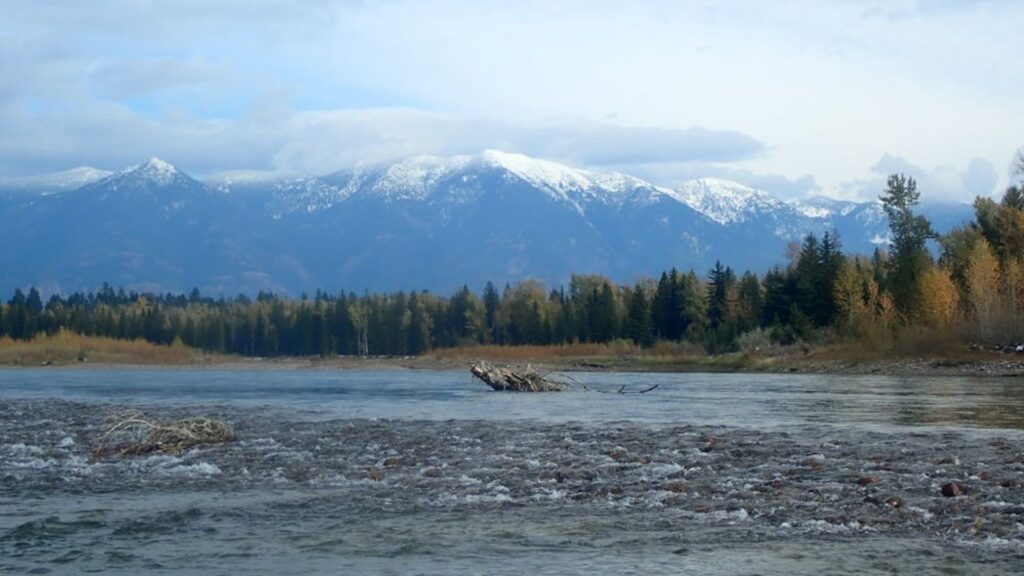
Energy Keepers began drawing down Flathead Lake almost immediately after the December peak. On January 1, the lake sat at 2,892.8 feet; within days, it had dropped to 2,892.5 feet. Lipscomb told the Daily Interlake that residents should expect the lake to reach its seasonal low by late March, which in most years means a level around 2,883 feet, roughly 10 feet below full pool.
The drawdown is designed to create storage capacity ahead of spring runoff. If heavy precipitation returns in the coming months, a lower lake level gives operators room to absorb it before downstream flooding becomes a risk. The National Weather Service’s short-term forecast pointed to below-normal precipitation across the West, though the three-month outlook projected above-normal precipitation for Montana.
How much the lake drops by late March will depend heavily on mountain snowpack accumulation through the winter. A deeper snowpack generally signals a wetter spring, which increases both flooding risk and the lake’s ability to refill on schedule. Lipscomb noted that snowpack data at the end of March will guide decisions about whether the system has enough reserves heading into the warmer months.
A System Built for Flexibility in a Year of Unpredictable Water

Energy Keepers described its approach to managing Flathead Lake as a continuous cycle of adjustment rather than a fixed operating plan. Operators monitor weather patterns and snowpack levels on an ongoing basis, tuning dam releases to match changing conditions. The goal, Lipscomb told the Daily Interlake, is to preserve flexibility regardless of whether spring arrives wet or dry, keeping both local and downstream communities out of harm’s way.
That balancing act reflects a broader tension in Western water management. Reservoirs that absorb record rainfall in December may need to release water aggressively in spring, and the margin between too much and too little can shift quickly. For Flathead Lake, the same conditions that pushed storage to near capacity in early January mean operators will be watching the snowpack closely through the season.
What unfolded at Flathead Lake in December reflects a pattern that water managers across the West are navigating with increasing regularity. A single weather event filled storage to near capacity, and within weeks, operators shifted focus entirely to preventing a shortage. For Energy Keepers, the next few months will depend heavily on how much snow accumulates in the mountains and whether spring arrives with more water than the system can hold.
PetsFanatic Team
Pet Care Expert & Content Creator
Passionate about sharing knowledge and tips for better pet care. Writing about everything from pet health to training techniques.