
Solved: Mystery Behind Massive Sea Star Die-off Along Pacific Coast

For over a decade, the Pacific coastline has witnessed the devastating disappearance of millions of sea stars. Once vibrant tide pools became graveyards of decaying limbs, leaving scientists and conservationists baffled.
The phenomenon, dubbed Sea Star Wasting Syndrome (SSWS), triggered a marine mystery—until now. Thanks to a new study published in Nature on Monday (August 4), the cause has finally been identified, bringing clarity to one of the most puzzling wildlife die-offs in recent memory.
The Epidemic That Ravaged the Pacific

Between 2013 and 2015, a mysterious illness swept across more than 20 species of sea stars from Alaska to Baja California. Affected individuals developed lesions, lost limbs, and seemed to dissolve within days. The scale and speed of the die-off were alarming, with some regions reporting over 90% population losses.
A Decade-Long Mystery Finally Solved

This month, researchers from Cornell University and collaborators published conclusive evidence pointing to Sea Star-Associated Densovirus (SSaDV) as the primary cause. While this virus had been on the radar in earlier studies, the latest genomic and environmental analysis offers definitive proof of its role in SSWS.
The Role of Climate Change and Warming Seas

The study emphasizes that while SSaDV is widespread, it only turns deadly under certain environmental conditions. Warmer ocean temperatures, driven by climate change, were shown to stress sea stars and disrupt their immune responses. This thermal stress appears to amplify the effects of the virus, accelerating the onset of wasting symptoms.
A Microbial Imbalance on the Skin

Another key finding was the discovery of microbial dysbiosis on the sea star’s skin. Warmer waters alter the natural microbial communities that typically protect sea stars. When disrupted, these changes make sea stars more vulnerable to viral infection and secondary bacterial invasions, speeding up tissue decay.
Hypoxia’s Hidden Hand

The study also highlights the role of hypoxia (low oxygen levels in nearshore waters) as a compounding factor. Stressed by oxygen-poor environments, sea stars become less resilient to infection. Coastal pollution and algal blooms, both of which contribute to hypoxia, may have made the problem worse.
Why It Took So Long to Pinpoint the Cause
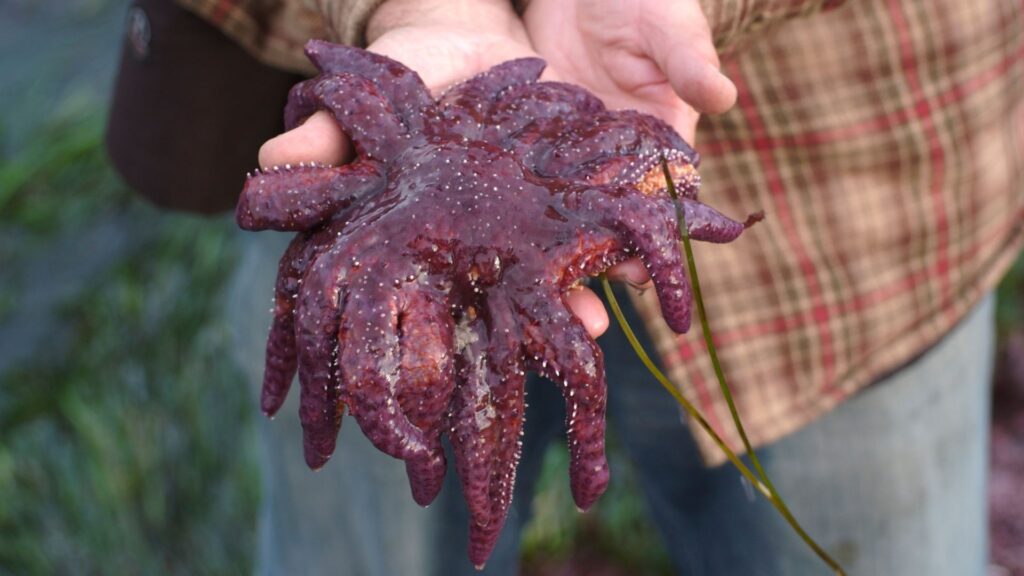
Despite early suspicion around SSaDV, previous studies couldn’t rule out other potential causes, such as environmental toxins or rising acidity. What set this study apart was its long-term, multi-site sampling and advanced genomic tools, which allowed researchers to detect patterns invisible to earlier investigations.
The Ecological Fallout of a Vanished Predator

Sea stars, especially the sunflower sea star, play a crucial role as keystone predators in maintaining balance in coastal ecosystems. Their loss led to explosions in sea urchin populations, which in turn devastated kelp forests. The disappearance of these top predators disrupted entire food webs, triggering ripple effects up and down the marine chain.
Hope for Recovery and a Wake-Up Call
With the mystery finally solved, efforts to protect and possibly reintroduce sea stars can move forward with more direction. But the study also serves as a stark reminder: climate change and human-altered environments can turn common viruses into catastrophic threats. Understanding these triggers is crucial for protecting vulnerable marine life in the years ahead.
A Turning Point for Marine Conservation

Solving the sea star die-off mystery is a bittersweet victory. While we now understand the culprit, restoring the balance lost over the past decade will take time and dedicated action. This discovery, however, gives scientists and conservationists a much-needed starting point and reminds us just how delicate our ocean ecosystems truly are.
PetsFanatic Team
Pet Care Expert & Content Creator
Passionate about sharing knowledge and tips for better pet care. Writing about everything from pet health to training techniques.