
Massive Bear Encounter on Hiking Trail Prompts Official Safety Warning
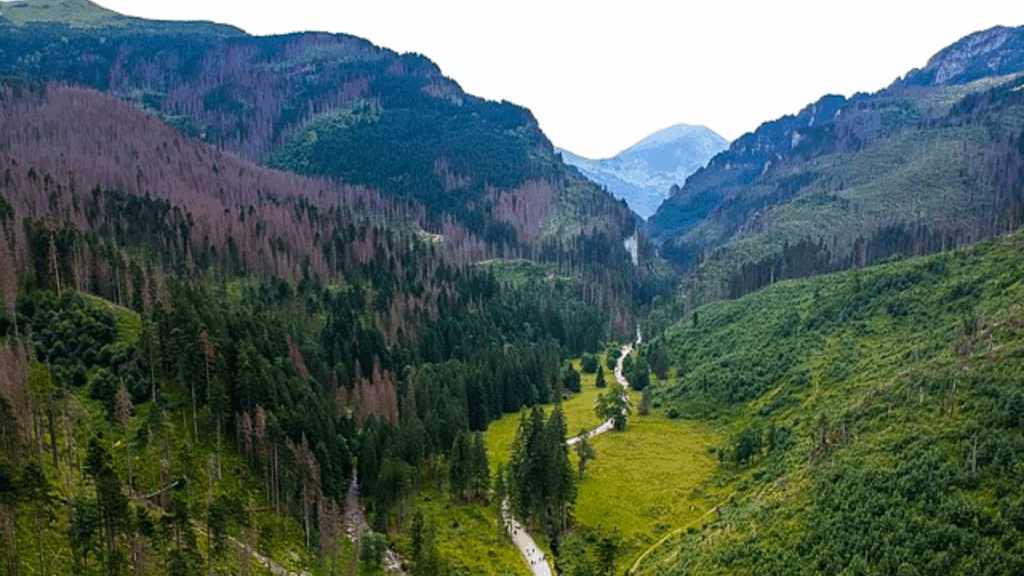
In an unusual and unsettling development, park officials in the Tatra Mountains of southern Poland have issued a formal safety warning for hikers after a massive brown bear was spotted wandering along a popular hiking route in the Kościeliska Valley, prompting authorities to urge anyone in the area to exercise extreme caution if they encounter the animal and to avoid close contact while on the trail. The sightings, captured on video by other hikers and shared by the national park’s official pages, show a mature bear calmly moving through terrain that is normally quiet at this time of year, a situation that park leaders say could create dangerous situations if hikers surprise the animal or get too close.
Officials emphasized that this bear sighting is not typical because most brown bears in the region are expected to be in hibernation during the winter months, meaning that encountering such a powerful predator on the trail outside of its usual active season could take hikers by surprise and increase the risk of a hazardous encounter. While no direct interactions between people and the bear have been reported so far, park authorities are cautioning people to keep their distance, change their route if they see the animal, and refrain from feeding or attempting to photograph it up close, because unpredictable behavior from a large wild animal can pose serious safety concerns.
The official warning also underscores that hikers should not assume the bear will retreat from human areas on its own, and that climate shifts and changing food patterns may be contributing to wildlife appearing in areas and at times that historically would have been unlikely, a factor that makes preparation and awareness more important than ever for outdoor enthusiasts using trails where large predators may be present.
How to Stay Safe When Hiking in Bear Country

When hiking through bear habitat, preparedness and awareness are key to reducing the risk of dangerous encounters, with wildlife experts consistently recommending that hikers stay alert for signs of bear activity such as tracks, droppings, claw marks on trees, and disturbed soil in berry patches or near water sources where bears may forage.
Carrying bear deterrents, such as bear spray and knowing how to use it, hiking in groups rather than alone, and making noise while on the trail, talking loudly, singing, or clapping to alert animals to your presence, can significantly reduce the chances of surprising a bear at close range, which is one of the most common causes of defensive behavior from these large mammals.
National parks and wildlife agencies also advise that hikers keep food, garbage, and scented items securely stored and out of sight, because bears that associate humans with food rewards can become more bold and persistent in approaching people and trails, increasing the risk of conflict and prompting officials to close or post warnings for areas where repeated sightings occur.
What Officials Are Advising Hikers Now
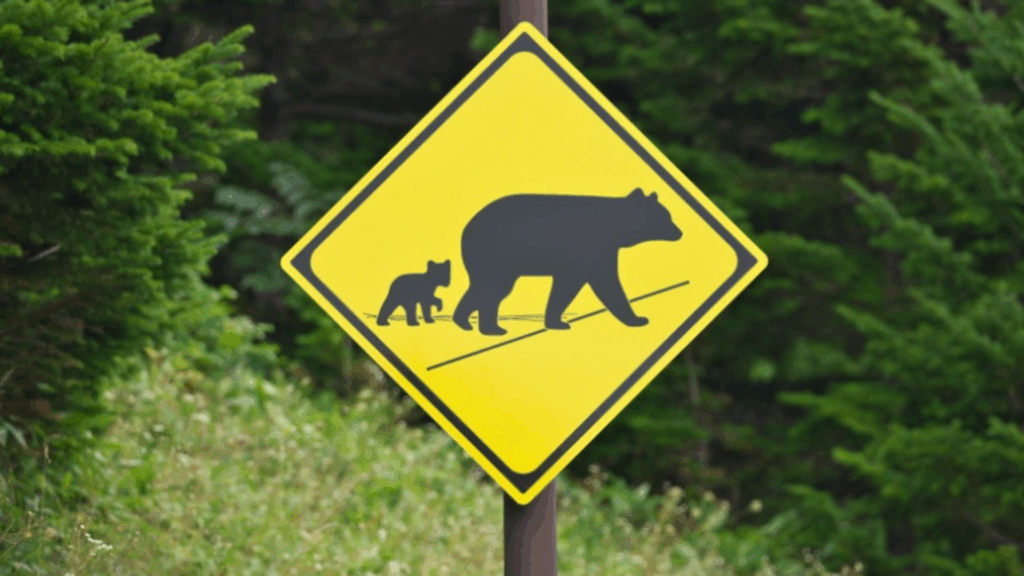
In response to the recent encounter, park administrators are actively monitoring trail use and posting advisories at trailheads to inform hikers of the bear sighting and provide guidance on how to respond safely if they encounter the animal, with officials stressing that hikers should always give wild animals plenty of space and avoid approaching or provoking them under any circumstances.
A key part of the message from authorities is that while bears typically avoid humans and attacks are rare, the sheer size and power of a brown bear means that even a non‑aggressive curiosity can be dangerous if a hiker gets too close or behaves in ways the bear perceives as threatening, reinforcing the need to heed posted warnings and consider alternate routes when wildlife activity is reported.
Local officials are also encouraging hikers to check with visitor centers or park staff before heading out, especially during seasons or in areas where wildlife patterns may be unpredictable, because updated information on bear movements and trail conditions can help outdoor adventurers make safer decisions and avoid areas with recent large predator sightings.
Preparing for Outdoor Adventures in Bear Territory

For anyone planning hikes or camping trips in regions where bears are known to reside, experts recommend planning ahead by researching trail conditions and wildlife reports, carrying appropriate safety gear such as bear spray and first‑aid supplies, and knowing how to react calmly and effectively if an encounter occurs, because understanding animal behavior and maintaining a safe distance can be lifesaving in the backcountry.
Staying informed by checking park alerts, trail advisories, and local wildlife notices before heading out can help hikers avoid areas with known bear activity, and testing and practice with safety equipment like bear deterrents ensures that hikers are not caught unprepared if they come upon a bear unexpectedly.
Finally, respecting wildlife habitat by not leaving food or garbage exposed, hiking in groups, and choosing well‑used trails over less traveled backcountry routes can reduce the chances of dangerous encounters, making outdoor recreation both safer and more enjoyable for people and wildlife alike.
PetsFanatic Team
Pet Care Expert & Content Creator
Passionate about sharing knowledge and tips for better pet care. Writing about everything from pet health to training techniques.