
Egyptian Fossil Discovery Reveals Missing Piece of the Human Evolutionary Tree
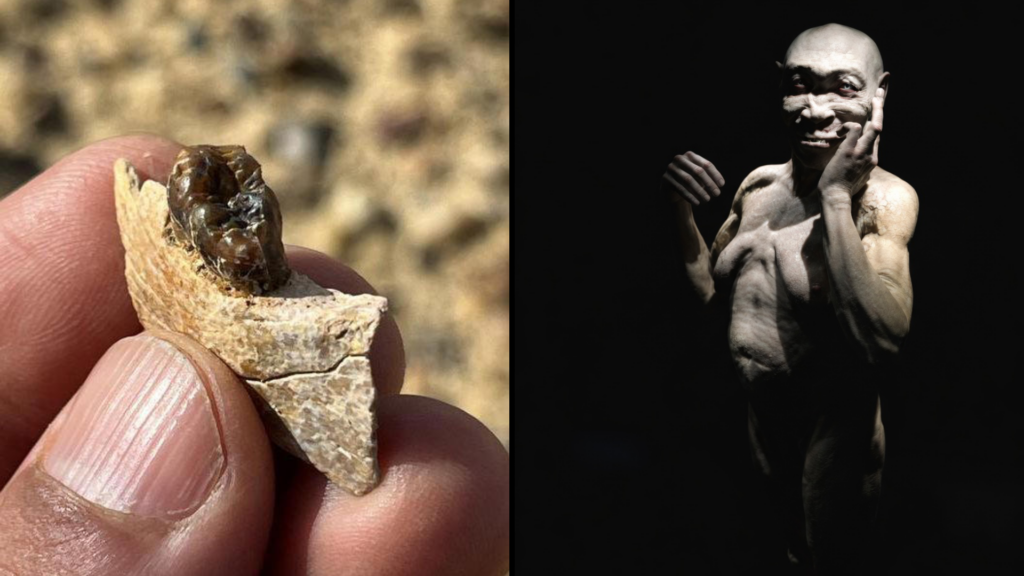
Somewhere in the fossil record of early apes, there is a gap, a stretch of time and geography where the ancestors of modern primates, including humans, should appear but never did. For years, paleontologists assumed East Africa held all the answers. Then a team of researchers walked into the desert of northern Egypt, picked up two fragments of fossilized jawbone, and discovered something that had been missing from the evolutionary tree for 17 million years. What they found may force scientists to rethink where humanity’s deepest roots actually begin.
The Valley Where the Search Began
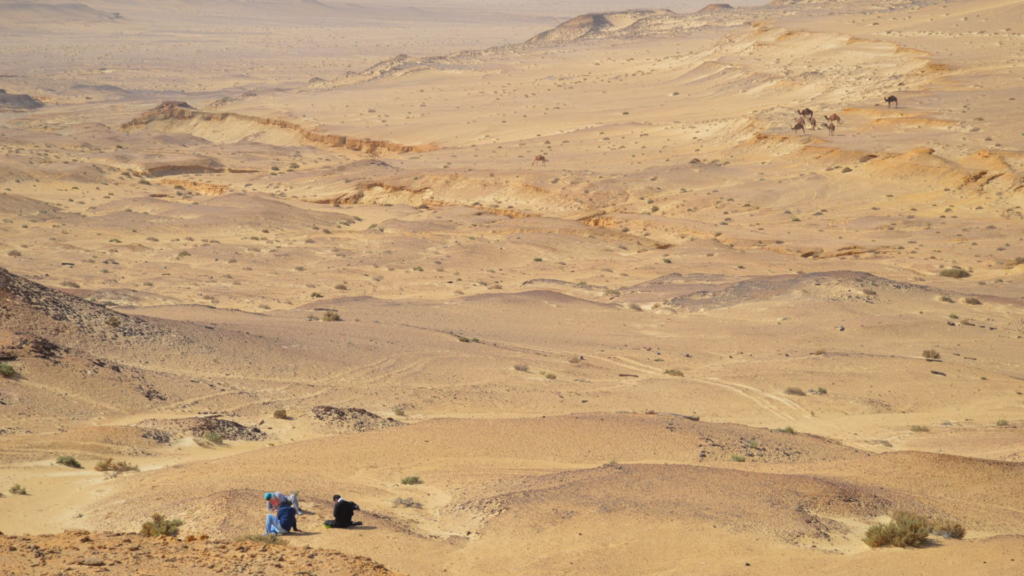
The discovery happened in Wadi Moghra, a dry, sandy valley in northern Egypt where scientists had previously uncovered ancient monkey remains. In 2024, a team from Mansoura University returned to the site hoping to find something no researcher had located there before: fossilized evidence of an ancient ape. Paleontologist Hesham Sallam was already examining a strange piece of jawbone when his colleague Shorouq Al-Ashqar approached him holding another fossil. “Dr. Hesham, we found an ape,” she told him. That moment, recalled in National Geographic, marked the beginning of a discovery five years in the making.
Meet Masripithecus moghraensis
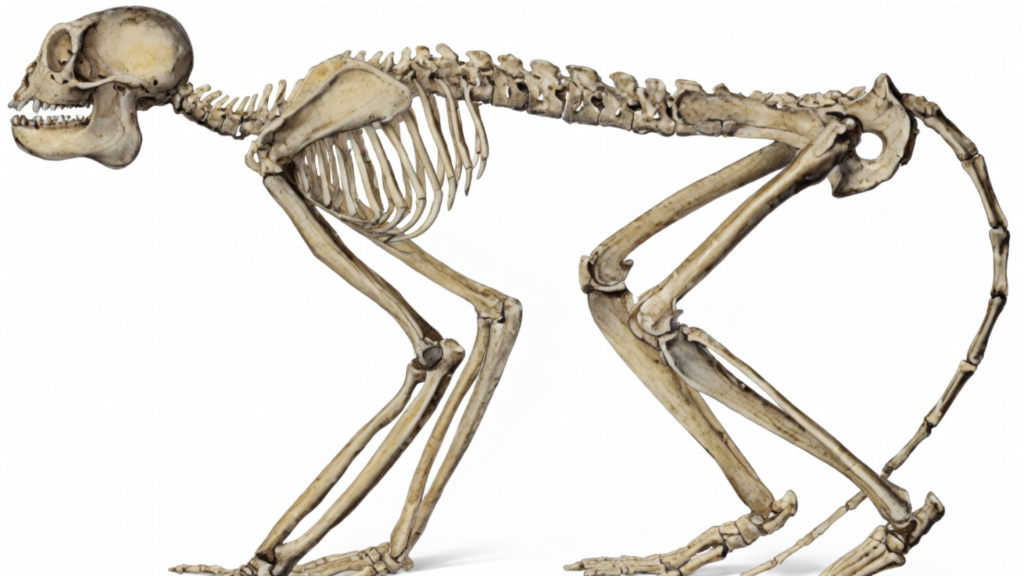
The two jaw fragments and several teeth belong to a previously unknown extinct species, now named Masripithecus moghraensis. The findings were published on March 26 in the journal Science. The species lived in northern Africa during the early Miocene period, roughly 17 to 18 million years ago, at a time when the region’s climate and landscape were dramatically different from today. Its existence in this specific location, at this specific point in time, immediately raised questions that the field of paleoanthropology had not fully considered before: what if East Africa was not the only place where apes were evolving?
What the Bones Actually Revealed

The fossilized jaws were strong and heavily built, with large canine and premolar teeth alongside rounded molars featuring complex, textured chewing surfaces. Those teeth told researchers two things. First, the teeth were shaped and sized differently from monkey teeth found at the same site, confirming these were ape remains. Second, this specific combination of features had never been seen in any other ape fossil from that era. According to Al-Ashqar, the jaw structure suggests Masripithecus primarily ate fruit but could also process harder foods like nuts and seeds when conditions required it.
A Species Built to Survive Change
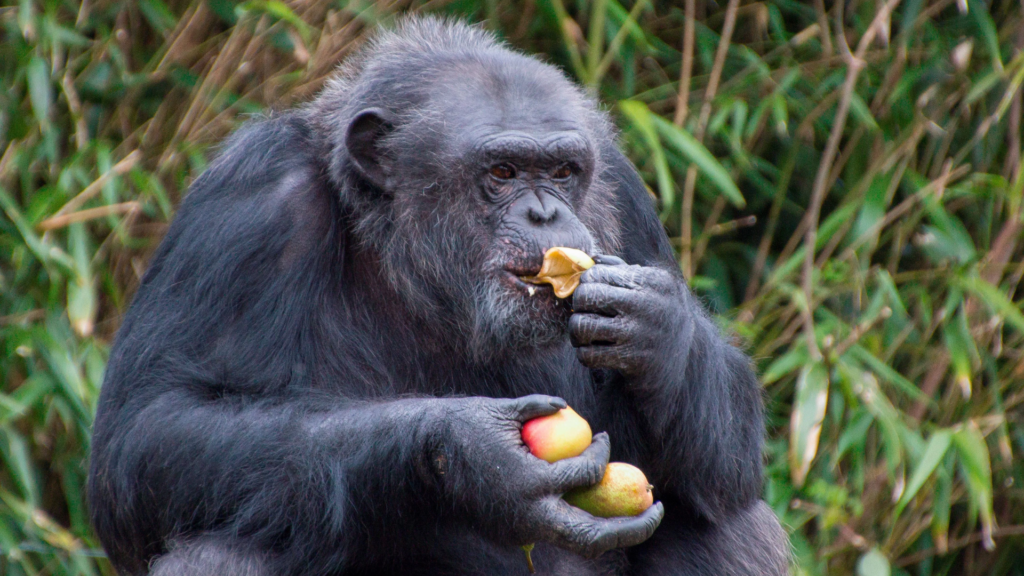
That dietary flexibility matters more than it might initially seem. The early Miocene was a period of significant climatic shifts across Africa and the Arabian Peninsula. Species that could only survive on one food source were vulnerable. Masripithecus, with its robust jaw and versatile molars, appears to have been built for adaptation. Scientists believe this kind of resilience may have been a defining trait of the lineage that eventually gave rise to modern apes. A creature that could adjust to a changing environment was one that could survive long enough to pass its characteristics forward.
Closer to Our Common Ancestor Than Anyone Expected
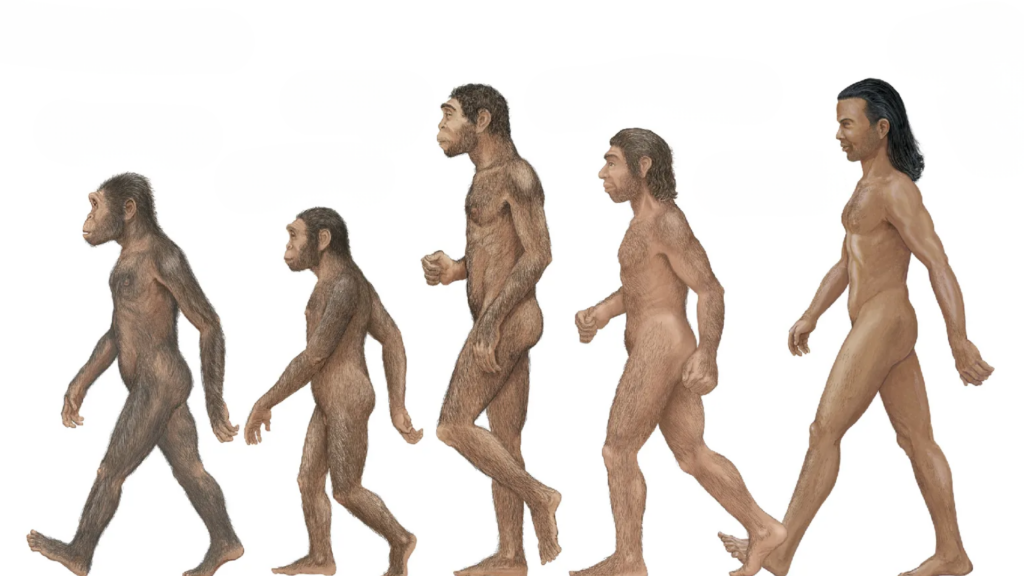
When researchers combined genetic data from living apes with characteristics from both extinct and modern species, they produced an evolutionary tree that placed Masripithecus in a striking position. The new species is very closely related to the last common ancestor of all living apes; A group that includes gibbons, gorillas, chimpanzees, orangutans, and humans. In other words, this creature from the Egyptian desert sat near the root of a family tree that eventually branched into every ape alive today, including the species reading this sentence. That relationship was not predicted before the fossils were found.
The Map of Ape Evolution May Need to Be Redrawn

For decades, the scientific consensus pointed to East Africa as the birthplace of ape evolution. Nearly everything known about early Miocene apes comes from sites in that region. But the statistical analysis that followed the Masripithecus discovery suggested something different: that apes may have evolved in North Africa or the Arabian Peninsula before spreading outward. Al-Ashqar noted that the entire story of early ape evolution had been told based on evidence from a small corner of one continent. Masripithecus suggests that corner was never the whole picture.
What the Experts Are Saying
Ellen Miller, a paleoanthropologist at Wake Forest University who was not part of the research team, told National Geographic that the recovery of Masripithecus makes it tempting to redraw the migration routes of early apes across the ancient world. She acknowledged the excitement of the find while also urging caution, noting that one discovery, however significant, is not enough to definitively rewrite evolutionary history. Her assessment was precise and worth holding onto: a new find like this is always the beginning of the work, not the end. The fossils open a door. What lies beyond it remains to be explored.
Five Years of Searching for Something Missing
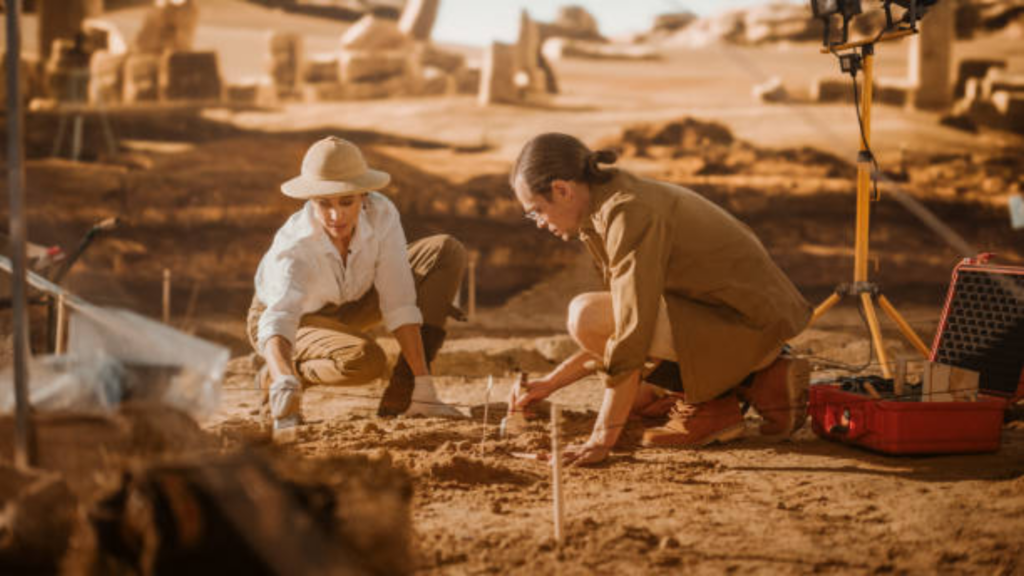
Sallam, who led the expedition, explained that the team had spent five years specifically targeting North Africa because the early ape family tree had an obvious gap that East African sites could not fill. The region around what is now Egypt had been largely overlooked in the search for early ape ancestors, partly because the terrain is difficult and partly because previous discoveries there had only turned up monkey remains. The persistence paid off in a single afternoon in a dry valley, with two jaw fragments pulled from sediment that had been undisturbed for 17 million years.
The Oldest Chapter of Human History Just Got a New Page
Science does not rewrite itself overnight, and researchers are careful to note that more evidence is needed before the origins of ape evolution can be officially relocated on any map. But Masripithecus has already changed the conversation. It has shown that the ancestors of every living ape may have emerged from a part of the world that science had largely set aside. The desert of northern Egypt, silent and ancient, has been keeping that secret for 17 million years. Researchers are only just beginning to listen.
PetsFanatic Team
Pet Care Expert & Content Creator
Passionate about sharing knowledge and tips for better pet care. Writing about everything from pet health to training techniques.