
Experts Warn These ‘Terrifying’ March Wildfires Are Just the Beginning of a Brutal Year

A historic wave of wildfires is ripping through the American heartland. By late March, Nebraska had already been scorched by the Morrill Fire, a record breaking blaze that consumed 643,000 acres in a single week. This shattered the previous state record for an entire year in just days. The intensity of these fires occurred while it was still technically winter. Seasoned veterans are now deeply alarmed about the months ahead.
The crisis is fueled by a perfect storm of climatic shifts. This includes an unprecedented March heat dome and a historically low snowpack across the West. In Flagstaff, Arizona, temperatures hit a record 84 degrees in mid March. This lack of winter moisture has turned vast stretches of grasslands into a tinderbox. It allows fires to run fast and hard through fuels that would normally be too wet to burn at this time of year.
Blazes are flaring up simultaneously in Nebraska, Colorado, and Wyoming. Federal resources are already being stretched to their breaking point. Some fires are moving hundreds of thousands of acres in a single day. This has effectively expanded the frontier of wildfire risk. The traditional fire season has not just started early; it has fundamentally changed.
The Snow Drought and the 125,000 Acre Flash
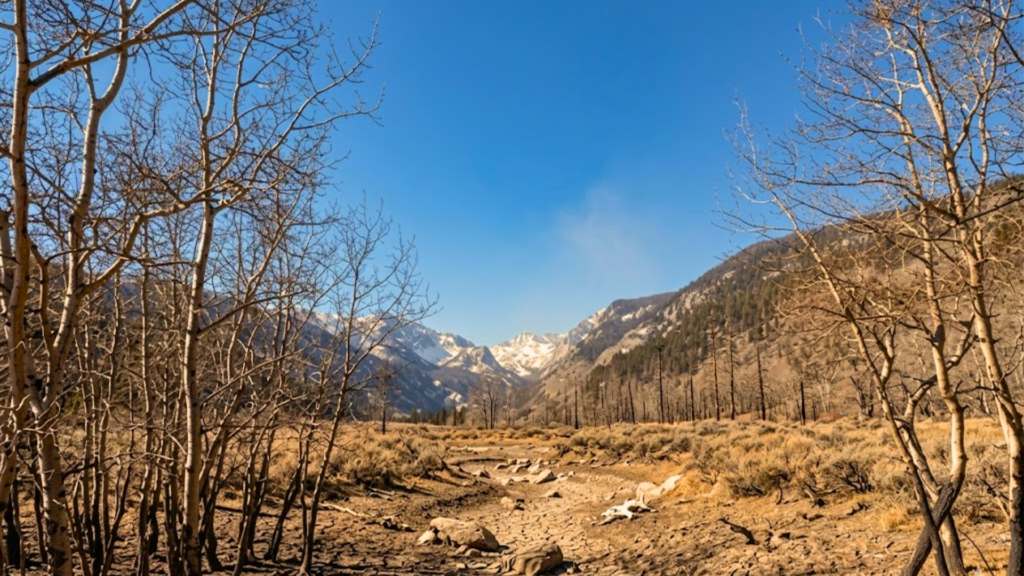
The primary engine behind this early season chaos is a severe lack of seasonal snow. Colorado is currently suffering through a snow drought. Mountain ranges show exposed dirt where white peaks should be. This dryness enabled the 24 Fire near Colorado Springs to more than double in size in just 24 hours. It jumped from roughly 1,900 to over 4,600 acres over a single weekend.
In Nebraska, the speed of the Cottonwood Fire was captured by a local hunter’s trail camera. The camera’s exterior melted into a solid mass. However, the saved footage revealed a landscape engulfed by 50 mph winds and 70 degree heat in mere seconds. This aggressive behavior is largely foreign to the Midwest in March. Rising spring temperatures and intensifying wind gusts are lengthening the fire season.
State climatologists warn that these changes are expected to continue through the end of the century. With little rain on the horizon and more record heat forecasted, parched brush remains a constant threat. Many communities have developed wildfire amnesia during long lulls in activity. The current devastation is a brutal heads up that the risk is now year round.
A Crippled Defense and the Staffing Crisis
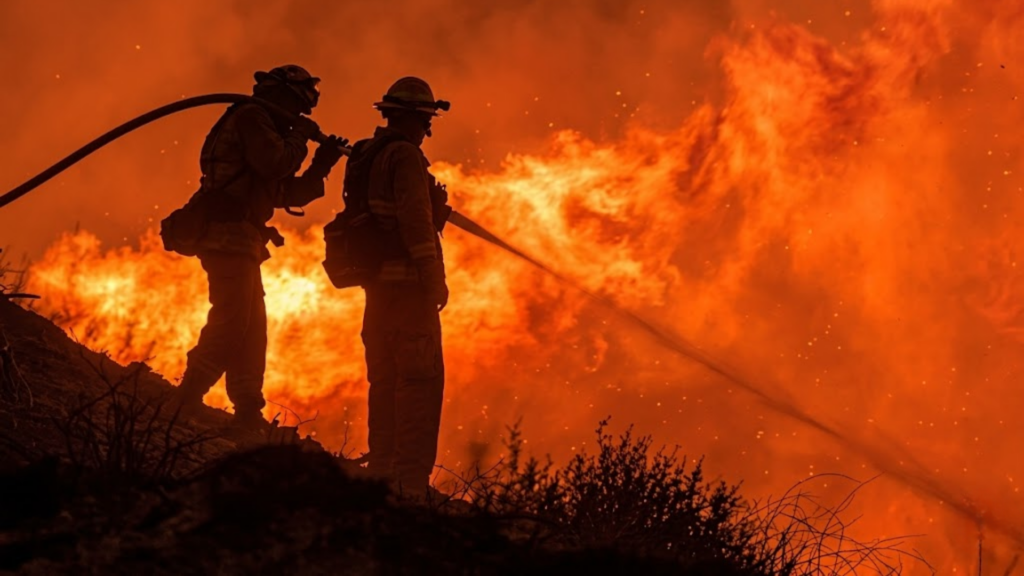
Environmental risks are escalating while human systems to fight them are reportedly crumbling. In 2025 alone, the U.S. Forest Service lost 16 percent of its workforce. These losses resulted from budget cuts and buyout programs. This has led to a staggering 38 percent reduction in hazardous fuel work. This work includes critical projects like forest thinning that prevent small fires from becoming megafires.
The situation is particularly dire in the Northwest and California. These regions have lost half of their specialized Incident Management Teams in recent years. These teams are the backbone of mutual aid. They provide the expertise needed to coordinate responses when multiple large scale fires ignite at once. Without them, fire crews fear there will not be enough bodies and experience to stop a simultaneous outbreak.
Lawmakers have sounded the alarm to federal officials. They call the lack of preparation a grave concern for Western communities. They argue that current lack of mitigation puts lives at risk. The region is entering what could be one of the driest summers on record. The question for many experts is no longer if a disaster will strike, but where the resources will come from to fight it.
Vulnerable Landscapes and a Drying Frontier

California is bracing for a potentially devastating summer and fall. Although the state received winter precipitation, recent heat is pushing parts of the state back into dry territory. This means vegetation that grew during rains can quickly turn into fire fuel. Strong heating will hasten the drying of fuels and snowmelts across the region.
Nebraska and other parts of the Great Plains are facing extreme drought levels. The lack of seasonal rain has drastically dried out grasslands. This enables blazes to run fast and hard across vast stretches of prairie. In Colorado, the amount of water stored in snow is at its lowest level since 1987. This lack of moisture is a major signal for the fire season ahead.
The expanding frontier for fire risk now covers broader patches of the western United States. Record hot temperatures and extremely low humidity are fueling the rapid spread of fires in parched brush. Firefighters are watching giant red splotches of burning forest with alarm. All indicators point toward a potentially catastrophic fire season.
PetsFanatic Team
Pet Care Expert & Content Creator
Passionate about sharing knowledge and tips for better pet care. Writing about everything from pet health to training techniques.