
Manatees at Risk as Ocean Threats Continue to Rise
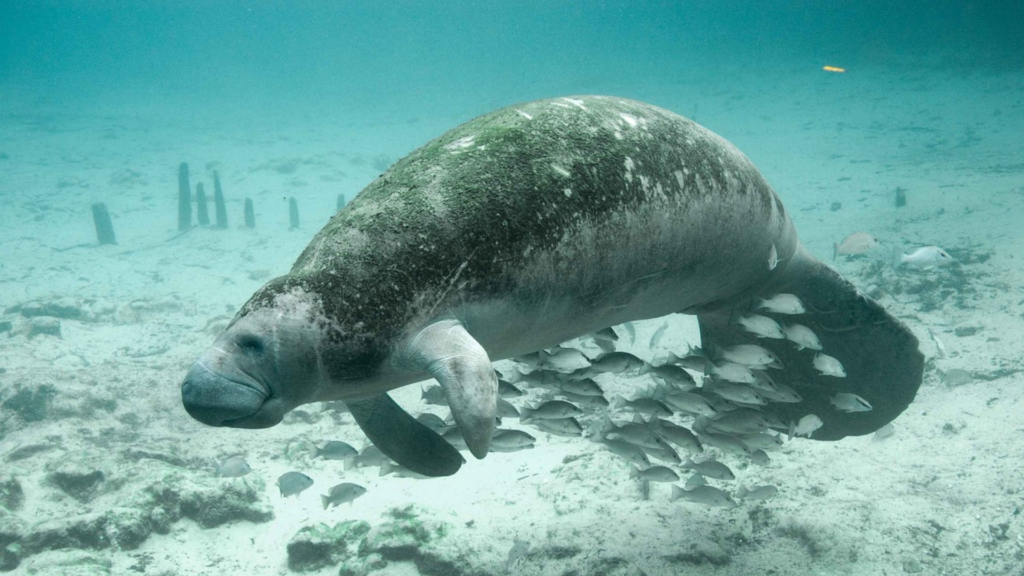
Manatees, often called “sea cows”, are gentle, slow-moving marine mammals that have become powerful symbols of ocean conservation. But despite their calm nature and protected status, these animals are facing growing threats that are putting their survival at risk. Scientists warn that a combination of human activity, environmental changes, and habitat destruction is creating a dangerous environment for manatees worldwide. As these pressures continue to increase, the future of these iconic creatures is becoming more uncertain, raising urgent concerns among conservationists and researchers alike.
Why Manatees Are Considered Vulnerable

All three species of manatees (the West Indian, West African, and Amazonian) are currently classified as vulnerable to extinction, meaning they face a high risk of decline if conditions do not improve. Although conservation efforts have helped stabilize some populations, scientists emphasize that manatees remain highly sensitive to environmental changes. Their slow reproduction rates and dependence on specific habitats make it difficult for populations to recover quickly from losses.
Human Activity Is Their Biggest Threat

Unlike many other marine animals, manatees have very few natural predators, meaning their greatest danger comes from humans. Collisions with boats and ships are one of the leading causes of injury and death, as the animals often inhabit shallow waters where vessels travel. Their slow speed and tendency to remain near the surface make it difficult for them to avoid oncoming boats, leading to frequent and often fatal accidents.
Habitat Loss Is Getting Worse
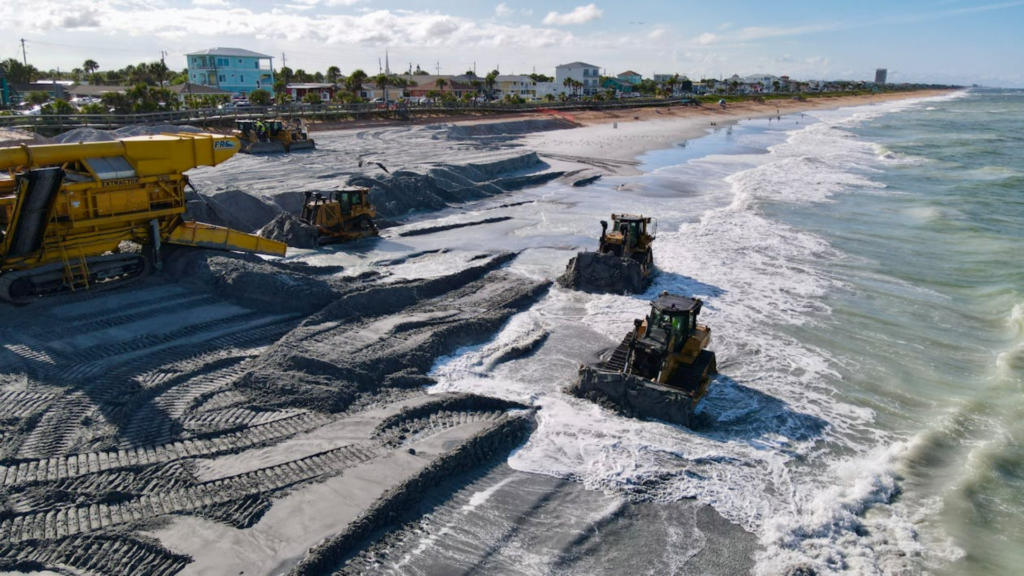
As coastal areas continue to be developed for housing, tourism, and industry, manatees are losing critical habitat that they depend on for feeding and shelter. Natural waterways are being altered or destroyed, reducing the availability of safe environments where manatees can thrive. This loss of habitat is especially harmful because it forces manatees into smaller, more crowded areas, increasing their exposure to other threats like boat traffic and pollution.
Pollution Is Damaging Their Food Supply

Pollution from sewage, fertilizers, and agricultural runoff is contributing to harmful algal blooms in coastal waters, which can have devastating effects on manatees. These blooms block sunlight from reaching seagrass beds, the primary food source for manatees, causing the plants to die off. In some cases, the algae itself can be toxic, poisoning manatees if ingested or inhaled, further compounding the danger.
Seagrass Loss Is Leading to Starvation

The decline of seagrass habitats has become one of the most alarming threats facing manatees today, as it directly impacts their ability to survive. In recent years, large die-offs of seagrass have been linked to pollution and environmental changes, leaving manatees with limited access to food. This has led to increased cases of starvation, with some regions experiencing significant mortality events tied to food shortages.
Climate and Environmental Changes Add Pressure

Extreme weather events and changing ocean conditions are adding another layer of stress to already vulnerable manatee populations. Hurricanes, temperature fluctuations, and shifting ecosystems can disrupt habitats and displace animals, sometimes leaving them stranded or without access to food. As climate change intensifies, scientists warn that these challenges are likely to become more frequent and severe.
Why Their Shallow-Water Lifestyle Puts Them at Risk

Manatees spend much of their time in shallow, coastal waters because that is where seagrass grows, but this behavior also makes them particularly vulnerable. These same areas are often heavily trafficked by boats and are more susceptible to pollution and human disturbance. With limited ability to dive quickly or escape danger, manatees are often exposed to risks they cannot avoid.
Conservation Efforts Are Making a Difference

Despite the growing threats, conservation efforts have played a crucial role in helping manatee populations recover in certain areas. Measures such as slow-speed boating zones, public education campaigns, and habitat protection initiatives have reduced some risks and improved survival rates. Tools like mobile alert apps and increased awareness among boaters have also helped minimize collisions in key habitats.
Why Their Future Still Hangs in the Balance

While progress has been made, experts caution that manatees remain at a critical point where continued threats could reverse years of conservation gains. The combination of habitat loss, pollution, and human interaction continues to put pressure on populations, making long-term recovery uncertain. Protecting manatees will require sustained effort, stronger environmental protections, and increased public awareness to ensure these gentle giants remain part of our oceans for generations to come.
PetsFanatic Team
Pet Care Expert & Content Creator
Passionate about sharing knowledge and tips for better pet care. Writing about everything from pet health to training techniques.