
Major Brain “Red Flag” Found in Dolphins, Raising Concerns for Humans

A new study has identified a significant neurological abnormality in dolphins that scientists say may have parallels to conditions seen in humans, sparking concern about environmental threats that could affect both marine mammals and people. Researchers analyzing brain tissue from dolphins found evidence of changes similar to those seen in human neurodegenerative diseases, raising questions about whether shared environmental stressors, including pollution, toxic algal blooms or infectious agents, could be contributing to brain inflammation and dysfunction across species. While dolphins are not direct stand-ins for human health, their physiology and long lifespans make them valuable sentinels for ocean and ecosystem health, and this discovery is prompting scientists to explore broader implications for human neurological well-being.
What Researchers Found in Dolphin Brains

Scientists examining brain tissue from stranded bottlenose dolphins documented neuroinflammatory markers and cellular changes reminiscent of those seen in human conditions such as Alzheimer’s disease and chronic traumatic encephalopathy, suggesting that these marine mammals may be experiencing neurological stress or damage due to unknown sources. The patterns detected included increased microglial activation, a hallmark of inflammation in the brain, and structural changes in neurons that raise red flags about neurological health, with researchers emphasizing that these findings were unexpected and warrant further study.
Why This Raises a “Red Flag”
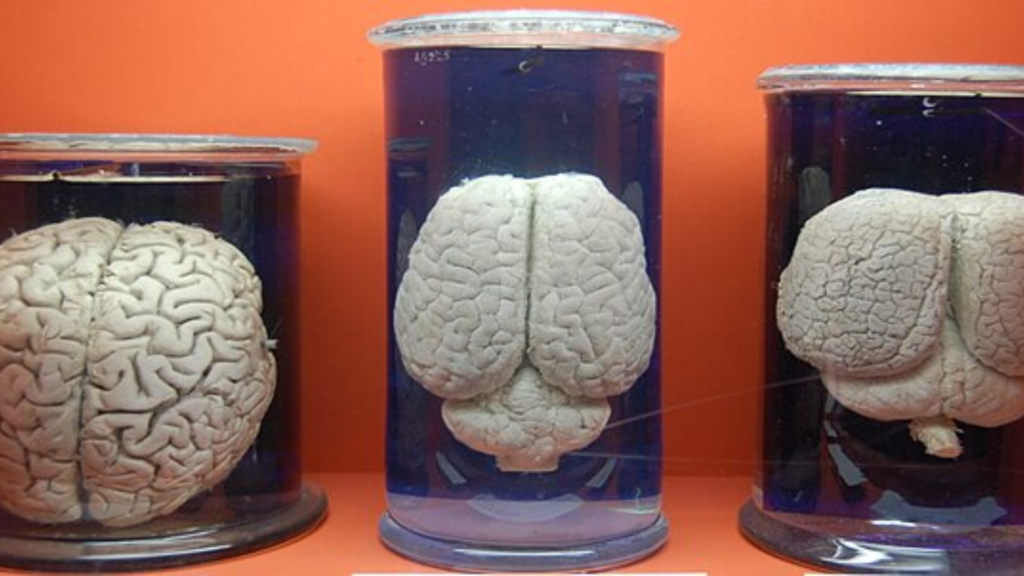
The reason this discovery is considered a “red flag” is that the observed brain changes in dolphins echo elements of human neurodegenerative pathology, leading scientists to consider whether similar environmental pressures or toxic exposures could be influencing neurological systems across species. Dolphins share a high position in the marine food web and tend to accumulate pollutants over time, making them early indicators of threats that could eventually affect other animals, including humans who rely on seafood and share overlapping environments.
Environmental Stressors Under Scrutiny

Researchers are investigating a range of possible environmental stressors that might contribute to neurological changes in dolphins, including persistent organic pollutants, heavy metals, harmful algal toxins and other contaminants that accumulate in ocean ecosystems. Because dolphins feed near the top of food chains and have long lifespans, they are especially vulnerable to bioaccumulation of toxins that can cross the blood-brain barrier and trigger inflammation, prompting scientists to consider whether similar exposures might pose risks to humans who consume seafood or contact contaminated waters.
Dolphins as Sentinels for Ocean Health

Dolphins are often regarded as sentinel species, animals whose health reflects the overall condition of the environment, because they integrate ecosystems through their feeding habits and long lives, and changes in their physiology can signal larger ecological problems. Findings of neurological stress in dolphins may therefore signal wider environmental threats that merit monitoring, study and action, including potential links to harmful algal blooms, chemical pollution and climate-driven changes in ocean chemistry that could also affect other marine life and human communities.
Human Health Concerns and Seafood Safety

While scientists caution that the dolphin findings do not prove humans will develop identical neurological issues, they stress that shared exposures to environmental pollutants and toxins, particularly through seafood consumption, raises legitimate concerns about human health. Some contaminants known to accumulate in marine food webs, such as mercury and industrial chemicals, have already been linked to neurological effects in people, and these new findings add urgency to research assessing long-term seafood safety and ecological stewardship.
What Scientists Want to Study Next

Researchers plan to expand investigations to understand why these neurological changes are occurring in dolphins, including more extensive sampling across species, geographic regions and environmental conditions, and determining whether seasonal or local pollution events correlate with signs of inflammation. The goal is to identify specific triggers, evaluate the progression of neurological changes over time, and discern potential intervention strategies to protect marine life and inform human risk assessments as well.
Broader Implications for Wildlife and Ecosystems

The dolphin study highlights how neurological health can serve as a window into broader ecosystem stress, with ripple effects that extend beyond a single species to everything that relies on healthy oceans, from coastal communities to commercial fisheries. Understanding these neurological markers in marine mammals may help scientists detect early warning signs of ecosystem degradation that could ultimately undermine biodiversity, food security and human health in coastal regions around the world.
Calls for Increased Monitoring and Policy Action

Environmental groups and scientists responding to the findings are calling for enhanced monitoring of ocean pollutants, stricter regulation of industrial discharges, expanded testing of seafood for contaminants, and greater investment in understanding how climate change and human activities influence marine ecosystems and long-term neurological health in wildlife and people. Supporters argue that proactive measures could help protect both biodiversity and public health for future generations.
Red Flags in Dolphin Brains

In conclusion, the discovery of major neurological red flags in dolphin brains has raised important questions about environmental exposures, ocean health and potential parallels to human neurological risks, underscoring the interconnectedness of ecosystems and the need for continued research, monitoring and stewardship to safeguard the well-being of both marine life and the people who depend on healthy oceans for food, livelihood and ecological balance.
PetsFanatic Team
Pet Care Expert & Content Creator
Passionate about sharing knowledge and tips for better pet care. Writing about everything from pet health to training techniques.