
Lake Powell Has Hit Its Lowest Summer Level Ever, and a City Official Says The Dam ‘Was Never Built to Withstand a Drought Like This’

Lake Powell is entering peak summer at its lowest level since the reservoir began filling in the 1960s, federal data shows. The Colorado River reservoir, the second-largest in the country, sits at roughly 23 percent capacity. Officials warn the situation reflects a deeper, long-running strain on the river system, one that a single wet season is unlikely to fix.
The Numbers Behind the Record Low
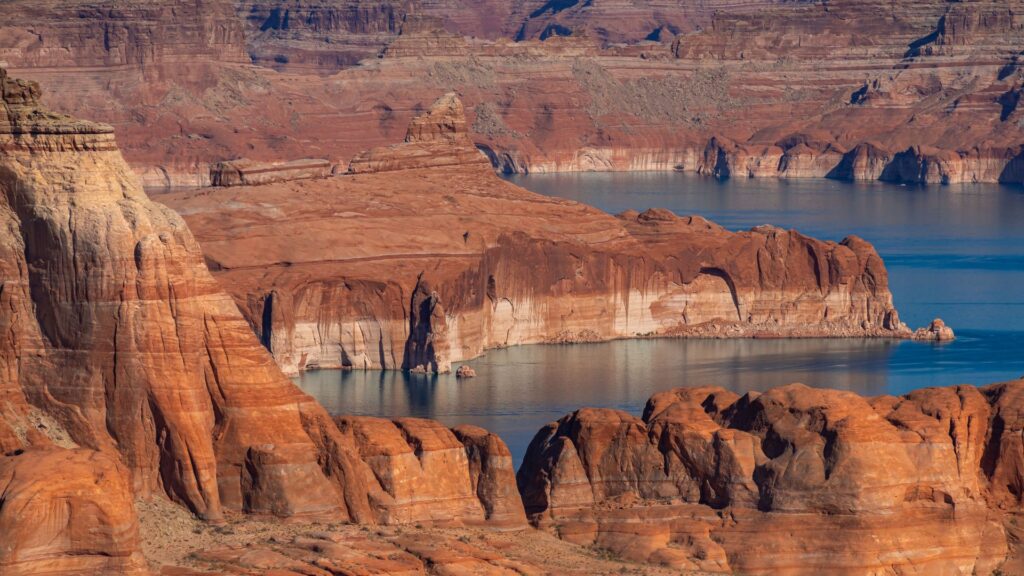
As of late June, Lake Powell sat at an elevation of about 3,526.89 feet, the lowest summer reading on record, according to U.S. Bureau of Reclamation data. Storage levels were tracking at roughly 35 percent of the historical average for the date. A springtime rebound usually followed past dips in the reservoir. This year, that rebound simply didn’t happen.
Why the Snowmelt Never Came
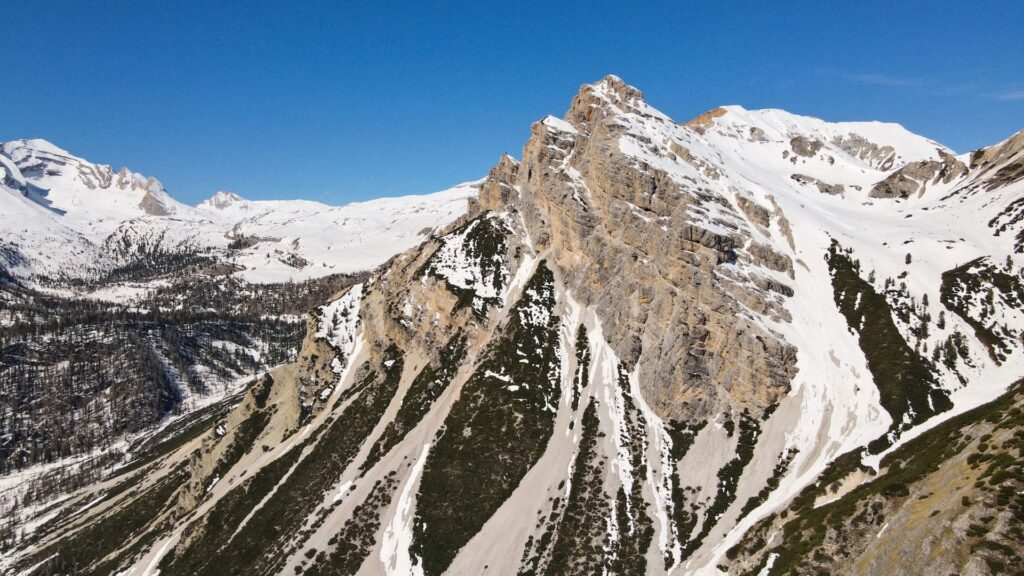
The reservoir usually hits its lowest point each spring, then rebuilds through early summer as melting mountain snow flows into the Colorado River. This year’s winter was unusually dry across the watershed, leaving little snow to feed that seasonal rebound. Forecasters with NOAA’s Colorado Basin River Forecast Center project this year’s spring and summer runoff into the lake will be the lowest ever recorded.
Minimum Power Pool Could Arrive Next Spring

Federal projections released in mid-June show Lake Powell could fall to “minimum power pool” by next spring, the threshold below which Glen Canyon Dam can no longer generate electricity. The dam currently produces about 1,320 megawatts, enough to serve roughly a million homes across the Southwest. Reclamation officials say the outlook is not tied to any single drought response decision but to ongoing vulnerability across the river system.
A Worse Scenario Sits Further Down the Line

Beyond the minimum power pool sits an even more severe threshold known as “dead pool,” the point at which the Colorado River would no longer flow through the Grand Canyon at all. Water experts view that scenario as unlikely in the near term, since engineers could modify outflow structures at Glen Canyon Dam long before water levels ever dropped that low.
Moving Water Between Reservoirs to Buy Time
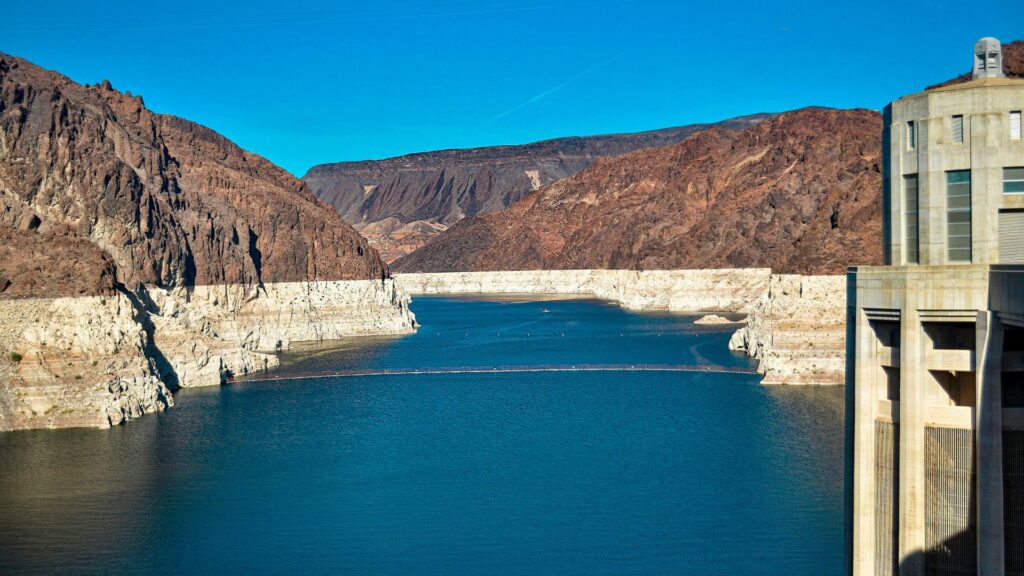
To slow Lake Powell’s decline this year, federal managers have been shifting water from smaller upstream reservoirs, including a partial draining of Wyoming’s Flaming Gorge reservoir, and have reduced releases downstream to Lake Mead. Lake Mead, the nation’s largest reservoir, supplies electricity, irrigation, and drinking water to tens of millions of people, including California’s agricultural industry, making the tradeoffs especially delicate.
Tourism Takes a Hit in the Shadow of the Dam

In Page, the small Arizona city that grew up around the Glen Canyon Dam project in the 1960s, hotel revenue has dropped 6 percent compared with last year, city spokesperson Adam Geller told USA TODAY. The decline is partly tied to headlines about falling water levels, though officials note rising gas prices and slower international tourism are also factors. The city is now developing a new low-level drinking water connection for its roughly 7,300 residents.
How Page, Arizona, Is Adapting to the New Normal

Geller described the dam’s legacy as one of grit in remarks to USA TODAY. “This community has a great track record of adapting,” he said. “The dam is a story of resilience in itself. It was never built to withstand a drought like this.” He added that a wetter, snowier winter forecast through El Niño could ease pressure, at least temporarily.
States Clash as Water-Sharing Rules Expire

The Colorado River supplies seven states and Mexico, and current water-sharing guidelines expire this year. At a recent gathering in Denver, Colorado, water commissioner Rebecca Mitchell called conditions “dire,” while New Mexico commissioner Tanya Trujillo described a breakdown in cooperation among basin states, Newsweek reported. Upper Basin governors have separately warned that draining their reservoirs to prop up Lake Powell threatens jobs and tourism at home, while pressing Lower Basin states to cut usage further.
What Comes Next for the River System

With an October deadline looming for new operating rules, federal officials say the coming months will determine how the basin adapts. A Bureau of Reclamation spokesperson said updated tools and guidelines are essential for long-term stability. Until new agreements are reached, water managers expect to keep balancing reservoirs by hand, hoping a wetter winter buys the system more time to find lasting solutions.
PetsFanatic Team
Pet Care Expert & Content Creator
Passionate about sharing knowledge and tips for better pet care. Writing about everything from pet health to training techniques.