
‘It’s No Longer a Coincidence,’ Decade of Record Heat Has Pushed Earth Into Dangerous Imbalance

The world has just endured the hottest decade ever recorded, and scientists say that is no statistical fluke. Between 2015 and 2025, the planet experienced its 11 warmest years since modern records began in 1850. According to the World Meteorological Organization (WMO), this string of record-breaking warmth signals something far more alarming than natural variability.
In 2025 alone, global average temperatures were about 1.43°C above pre-industrial levels . While slightly cooler than 2024, which was boosted by a strong El Niño, last year still ranked among the top three hottest years ever measured. Scientists say the brief cooling influence of La Niña did little to slow the underlying warming trend.
UN Secretary-General António Guterres put it bluntly: “When history repeats itself eleven times, it is no longer a coincidence. It is a call to act.” The repetition, experts argue, confirms that the warming pattern is being driven primarily by human activity, especially the continued burning of fossil fuels.
Earth’s Energy Imbalance Hits a Record High
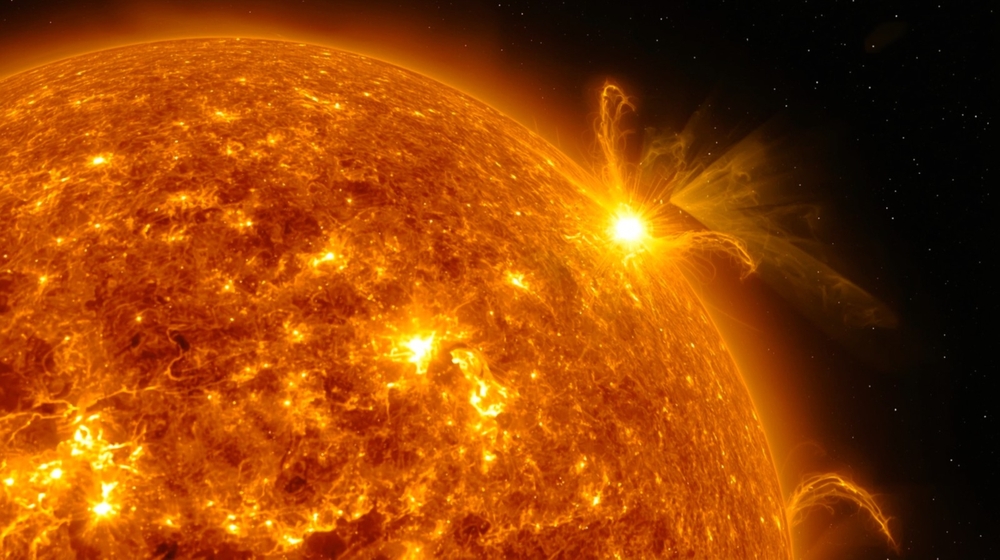
Behind the headline temperatures lies a deeper and more troubling metric: Earth’s energy imbalance. In a stable climate, the amount of solar energy entering the planet roughly equals the amount radiating back into space. That balance has now been disrupted, with more energy coming in than going out.
The WMO confirmed that this imbalance reached a new high in 2025. Increasing concentrations of greenhouse gases — carbon dioxide, methane and nitrous oxide — have trapped more heat in the atmosphere, pushing the climate system further out of equilibrium. Carbon dioxide levels alone are at their highest in at least two million years .
What makes this especially concerning is the acceleration. According to the WMO’s findings, the Earth’s energy imbalance has increased markedly over the past two decades. Scientists emphasize that this metric reflects the total heat accumulating in the system and not just surface air temperatures, meaning much of the warming is happening out of sight.
Oceans Absorb the Heat With Global Consequences

More than 90% of the excess heat trapped by greenhouse gases is being absorbed by the oceans. That buffering effect has spared land surfaces from even more extreme temperature spikes, but it comes at a cost.
Ocean heat content reached record levels again in 2025. The rate of ocean warming between 2005 and 2025 has more than doubled compared to the late 20th century. The WMO notes that the ocean has been absorbing energy equivalent to roughly 18 times annual human energy use each year over the past two decades.
The consequences ripple outward. Warmer oceans fuel more intense tropical storms, accelerate sea-level rise and contribute to marine heatwaves that devastate coral reefs and fisheries. Sea levels are now about 11 centimeters higher than in 1993, when satellite measurements began. These shifts threaten coastal communities, food security and marine biodiversity worldwide.
Extreme Weather, Health Risks, and What Comes Next
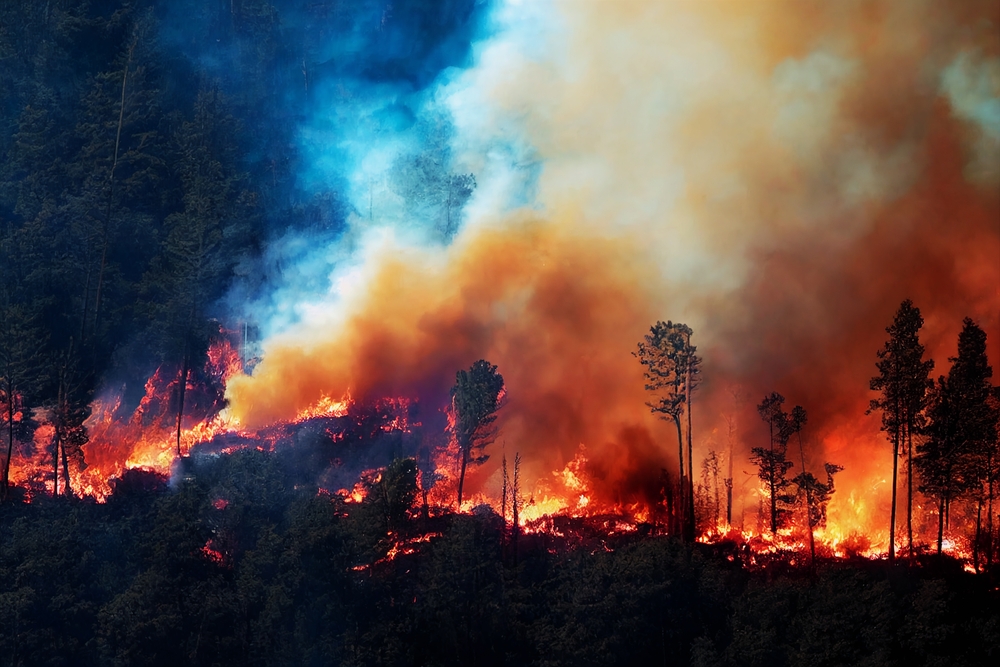
The imbalance is not just an abstract scientific measure. It is reshaping daily life. In 2025, extreme heat, floods, droughts, tropical cyclones and wildfires killed thousands, displaced millions and caused billions of dollars in economic losses. Scientists say rising global temperatures are intensifying many types of extreme weather events.
Health risks are also climbing. Climate change is amplifying the spread of mosquito-borne diseases like dengue and increasing heat stress, particularly for outdoor workers. Over one-third of the global workforce now faces significant heat exposure annually, with vulnerable populations bearing the brunt.
There is little sign of relief ahead. As La Niña conditions fade, forecasters warn that a new El Niño phase could develop, potentially pushing global temperatures to fresh records. Scientists stress that the longer greenhouse gas emissions continue at high levels, the more deeply the imbalance becomes embedded, locking in changes that could shape the planet for centuries to come.
PetsFanatic Team
Pet Care Expert & Content Creator
Passionate about sharing knowledge and tips for better pet care. Writing about everything from pet health to training techniques.