
Is the Megalodon Still Alive? Rare Prehistoric Shark Tooth Found on Florida Coast Sparks Debate

A fascinating and rare find off Florida’s coast is reigniting one of nature’s most thrilling questions: could the Megalodon still exist? A diver reportedly discovered an enormous shark tooth that once belonged to this massive prehistoric predator.
A Rare Find

The tooth is about six inches long and quickly caught the attention of fossil hunters and paleontologists alike. Finding a Megalodon tooth of that size is exceedingly rare, even in regions famous for shark tooth fossils. Many in the fossil community call it a once-in-a-lifetime discovery.
The Prehistoric Shark: The Megalodon

Megalodon was a giant shark that lived millions of years ago, and is dubbed the largest shark on planet Earth, with some reaching lengths of up to 60 feet or more. Its jaws were filled with large, serrated teeth designed to bite through thick flesh and bone. Unlike modern sharks, its fossil record is mostly composed of teeth and vertebrae, because its cartilage skeleton didn’t preserve well over time.
Where Was it Found?

The tooth was uncovered by a scuba diver off the coast of Venice, Florida, in Gulf waters. Though the diver has not divulged the exact beach where she found the fossil. Venice has long been dubbed the “Shark Tooth Capital of the World,” thanks to fossil-rich sediment layers and coastal erosion that exposes ancient teeth. The underwater terrain in that area is known for being a treasure trove of fossils for divers and collectors.
Who is the Lucky Owner?

The diver who made the find is Kristina Scott, an avid fossil diver who already had a growing collection of shark and marine fossils. She said she didn’t initially realize the scale of what she had found until she cleaned and measured the tooth, noting its enormous size.
Is This Evidence That Megalodons Still Exist?

The discovery caused great excitement from history buffs and experts alike, sparking debate over whether the Megalodon could still be alive, lurking in some deep parts of the ocean that we have yet to explore. Despite the excitement, scientists say a single fossil tooth doesn’t prove Megalodon is alive today. The fossil record tells us Megalodon went extinct millions of years ago, and there’s no confirmed living specimen. The found tooth is almost certainly from a long-dead animal, not a modern survivor.
Why the Debate Persists

Myth and speculation about Megalodon have circulated on the internet for years due to the mystery associated with our unexplored oceans. We have mapped only about 27% of the Earth’s oceans and actually physically explored only a fraction of it. Conversations about what may lurk in the deep, unexplored pockets of our oceans fascinate many explorers and curious observers.
How Scientists Interpret
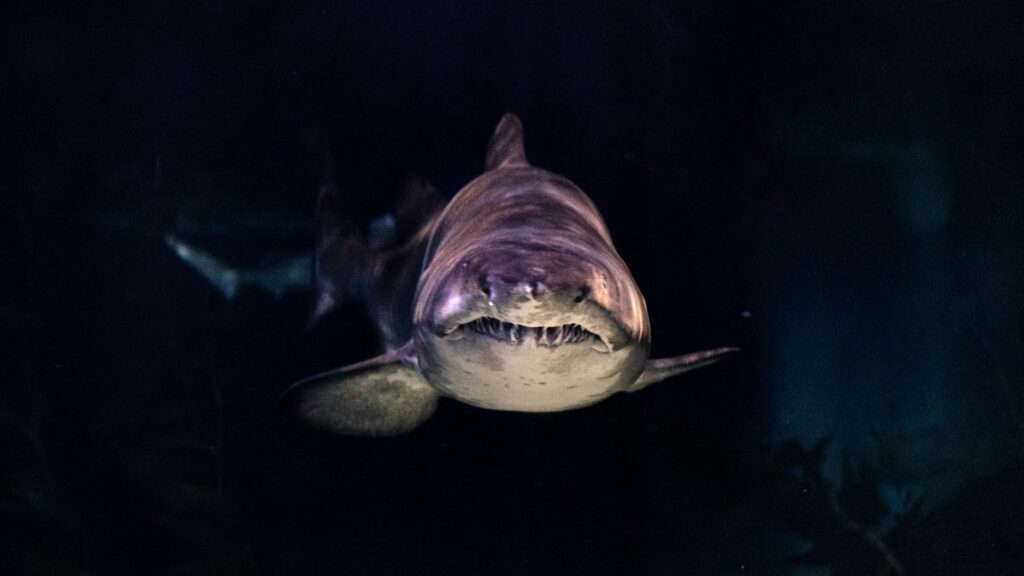
While paleontologists celebrate exciting finds like this fossil, they see it as insight into evolutionary history, not proof of living relics. They analyze the tooth’s shape, wear patterns, and composition to place it in a species timeline. They also compare it with known Megalodon fossils to assess its age and context.
Public Fascination

This kind of story captures the public imagination because, after all, who wouldn’t love the idea of a giant shark still lurking somewhere, hidden for all these years? Social media and news outlets amplify speculation, but experts remind us that science relies on more than dramatic finds.
Conclusion

The discovery of a six-inch Megalodon tooth off Florida is thrilling, but it’s not confirmation that the prehistoric shark still swims today. However, the more ancient remains we uncover from the beasts that once roamed our planet, the more we learn about our mysterious history and evolution.
PetsFanatic Team
Pet Care Expert & Content Creator
Passionate about sharing knowledge and tips for better pet care. Writing about everything from pet health to training techniques.