
A Volcano Slept for 700,000 Years—Now, It’s Sending Alarming Signals from Beneath Iran

For nearly 700,000 years, Iran’s Taftan volcano has stood in eerie silence—until now. Scientists have spotted its summit swelling by several inches, a possible signal that something powerful is awakening deep below. Once believed extinct, the mountain is stirring again, and what happens next could rewrite what we know about sleeping volcanoes.
The Giant That Time Forgot

Taftan rises nearly 13,000 feet above Iran’s southeastern desert, a remnant of ancient eruptions that shaped the land millions of years ago. Locals long saw it as a quiet mountain crowned with sulfur steam. But beneath that calm, the forces that once forged its fiery heart may have only been biding their time..
A Strange Swelling on the Summit

Between July 2023 and May 2024, satellites detected the ground near Taftan’s peak lifting 3.5 inches—a subtle but shocking shift for a volcano thought to be dead. The deformation hasn’t settled, which means pressure is still building beneath the crust, hinting that the mountain’s long dormancy might be over.
Signs from Space and Social Media

When sulfurous gas clouds appeared above Taftan in 2023, nearby residents posted photos and complaints online. The smell reached towns more than 30 miles away. Scientists revisited satellite data and confirmed the uplift—proof that even remote volcanoes now reveal their secrets through a mix of high-tech sensors and local witnesses.
What’s Moving Beneath the Surface

The upheaval seems to come from about 1,600 feet underground. Experts suspect either a buildup of volcanic gases or a small surge of magma slipping upward, forcing the ground to bulge. Though the magma chamber lies deeper, these tremors show the volcano’s plumbing is alive and shifting.
Why Taftan Went Silent for So Long

Geologists classify volcanoes as extinct if they haven’t erupted in over 11,700 years—the Holocene threshold. Taftan exceeded that by more than 60 times. Yet deep Earth systems don’t follow human timelines; magma pockets can remain dormant for eons before heat and pressure awaken them again.
The Risks Hiding in a Border Zone

Taftan’s isolation makes it harder to monitor. Set amid conflict-prone terrain near the Pakistan border, it lacks GPS instruments or seismometers. Researchers rely solely on satellites to track its movement—leaving vast uncertainties about whether it’s merely stretching or preparing to roar back to life..
Could It Erupt Again?
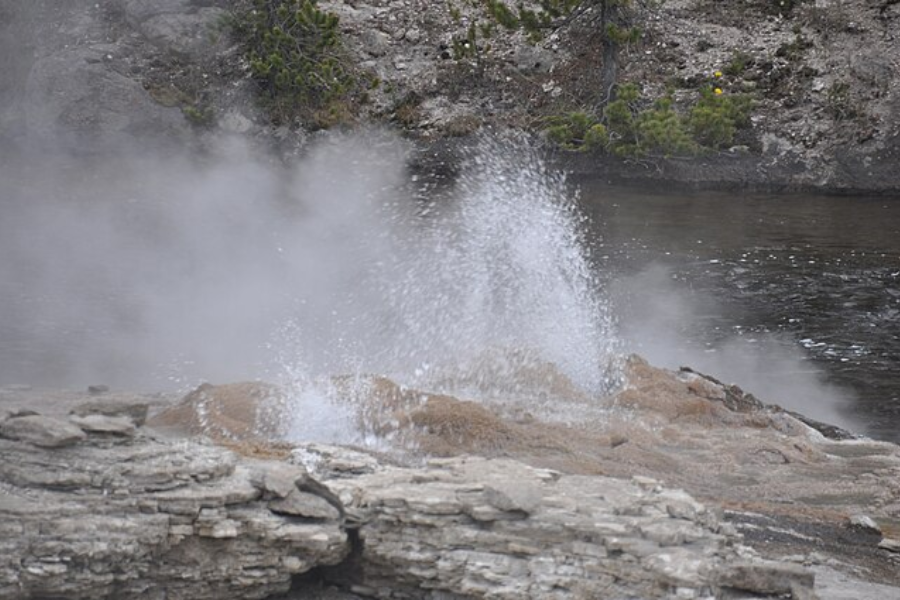
Experts say an eruption isn’t imminent, but the activity is a clear warning. Even small gas surges can precede significant events years or decades later. More than a scientific curiosity, Taftan is a reminder that extinct volcanoes are rarely beyond resurrection—just quietly waiting beneath our feet.
A Wake-Up Call for Science and Safety
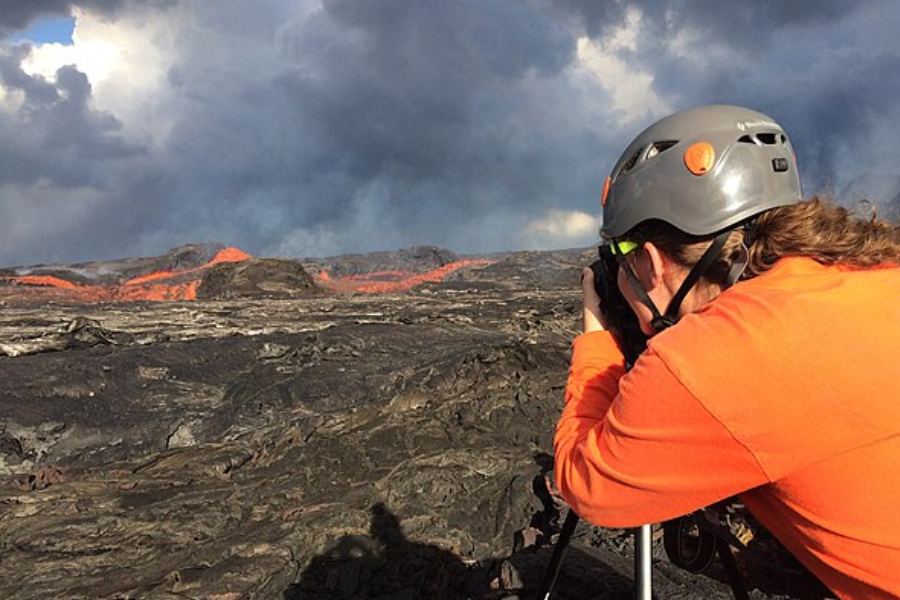
Volcanologist Pablo González calls Taftan’s movement a wake-up call for authorities. He urges investment in monitoring and research before it’s too late. Understanding Taftan could help scientists anticipate other sleeping giants around the world—and perhaps prevent the next surprise eruption.
When the Earth Breathes Again

For now, Taftan sleeps with one eye open. The mountain’s subtle stirrings are a whisper from Earth’s deep heart—a reminder that nothing in geology ever truly dies. Whether it erupts tomorrow or another 700,000 years from now, Taftan’s restless awakening proves the planet is always, quietly, alive.
PetsFanatic Team
Pet Care Expert & Content Creator
Passionate about sharing knowledge and tips for better pet care. Writing about everything from pet health to training techniques.