
Invasive Snakes Are Swimming To New Islands And Wiping Out Rare Lizards

A growing ecological crisis is unfolding in Spain’s Balearic Islands, where invasive horseshoe whip snakes are expanding beyond Ibiza and reaching nearby islets by swimming across open water. Scientists warn that this unexpected behavior is accelerating the decline of unique wall lizard populations, some of which evolved in isolation for thousands of years. As conservationists race to protect what remains, the situation highlights how human activity can unintentionally reshape fragile ecosystems.
The First Confirmed Crossing
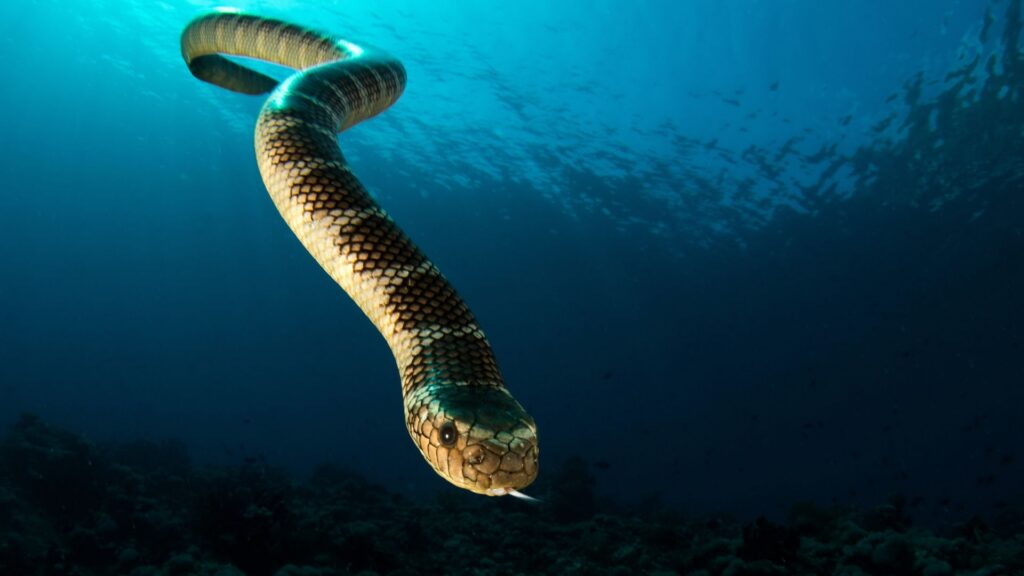
For years, residents, fishermen, and tourists reported seeing snakes swimming between islands near Ibiza, but hard evidence remained elusive. That changed in April 2024 when a wildlife ranger recorded a horseshoe whip snake moving through the turquoise waters between Ibiza and the tiny islet of Santa Eulària. The footage provided the first confirmed proof that the invasive reptiles were actively crossing the sea in search of new habitat and food sources.
How The Invasion Began

The horseshoe whip snake is native to parts of mainland Spain and poses no threat to humans. However, its arrival in Ibiza roughly two decades ago created a serious ecological challenge. Researchers believe the reptiles were unintentionally transported through the importation of ancient olive trees, a popular landscaping feature among wealthy property owners. Hidden cavities within these trees offered ideal shelter for snakes and their eggs during transport.
A Predator Spreads Across Ibiza

Since its introduction, the species has expanded rapidly throughout Ibiza. Scientists estimate that horseshoe whip snakes now occupy at least 90 percent of the island, allowing them to encounter native wildlife on an unprecedented scale. Their success has transformed them from accidental arrivals into one of the most significant invasive predators affecting the region today.
The Lizards Paying The Price

The primary victims of the invasion are Ibiza’s endemic wall lizards, reptiles found nowhere else in the world. These colorful animals have long been a symbol of the island and frequently appear on souvenirs, clothing, and tourist merchandise. Yet while their image remains common, their actual numbers have fallen dramatically as snakes prey on populations that evolved without facing such predators.
Why These Reptiles Matter

The disappearance of the lizards would have consequences far beyond the loss of an iconic species. They help regulate insect populations, including agricultural pests, and contribute to ecosystem health through pollination and seed dispersal. Because they occupy a central ecological role, their decline can trigger broader environmental changes that affect numerous other plants and animals.
A Remarkable Evolutionary Legacy

One of the most extraordinary features of the Pityusic Islands is the diversity found among their lizard populations. Separate islands and islets have produced distinct groups with unique colors ranging from green and blue to black, orange, brown, and gray. These differences emerged through thousands of years of isolation, creating a living record of evolution that scientists consider exceptionally valuable.
Bigger Snakes And Growing Numbers
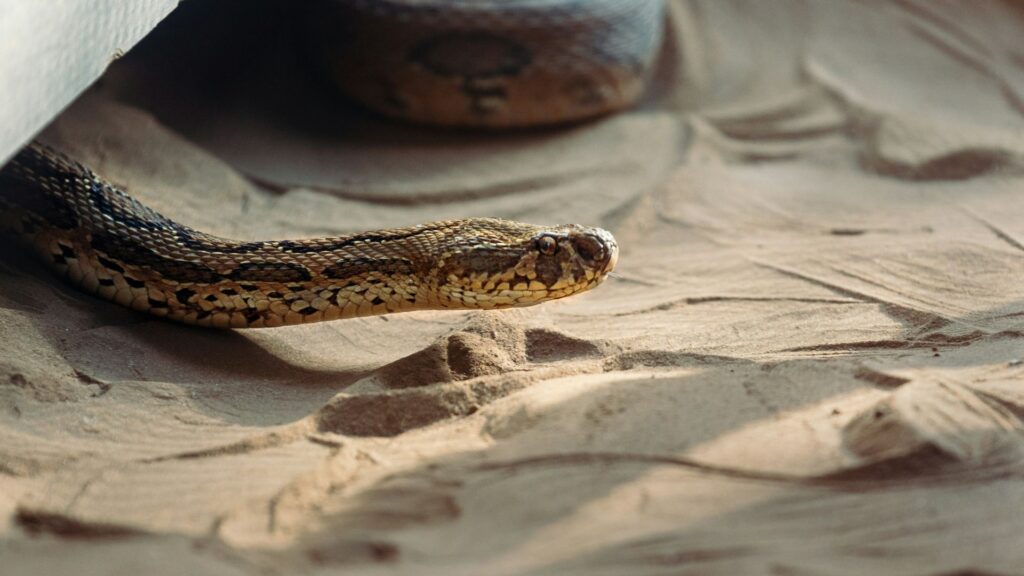
Although exact population figures remain unknown, authorities captured more than 3,500 horseshoe whip snakes in a single year, while over 16,000 have been removed since 2016. Despite these efforts, projections suggest the reptiles could occupy the entire island by 2027. Researchers have also observed unusually large specimens on Ibiza, with some exceeding two meters in length and reaching weights far greater than those typically seen on the Spanish mainland.
New Islands Become New Targets

Scientists believe increasing competition for food on Ibiza may be encouraging snakes to explore neighboring islets. The results have been devastating. Surveys documented a steep decline in lizard numbers on Santa Eulària, while several nearby islets have already lost their unique populations entirely. The spread of horseshoe whip snakes to additional locations, including Formentera, has intensified concerns about future extinctions.
Conservationists Fight To Save What Remains

To preserve the species before more populations disappear, conservation organizations launched a captive breeding initiative at Barcelona Zoo. The program focuses on safeguarding lizards from several distinct island populations, creating a genetic reserve that could support future recovery efforts. While early results are encouraging, experts acknowledge that protecting small island ecosystems from efficient predators remains an enormous challenge.
A Cultural And Ecological Tragedy

Researchers describe the loss of these lizard populations as both a scientific and cultural disaster. Every extinct population represents thousands of years of unique evolutionary history that cannot be recreated. Yet there is a small source of hope. Some urban areas of Ibiza continue to support healthy lizard communities because snakes are less successful there, often falling victim to traffic or human intervention. Even so, conservationists warn that without continued action, one of the Mediterranean’s most distinctive natural treasures could disappear forever.
PetsFanatic Team
Pet Care Expert & Content Creator
Passionate about sharing knowledge and tips for better pet care. Writing about everything from pet health to training techniques.