
Invasive Pet Turtle Abandonments Create Biological And Reproductive Hazards In Public Wetlands
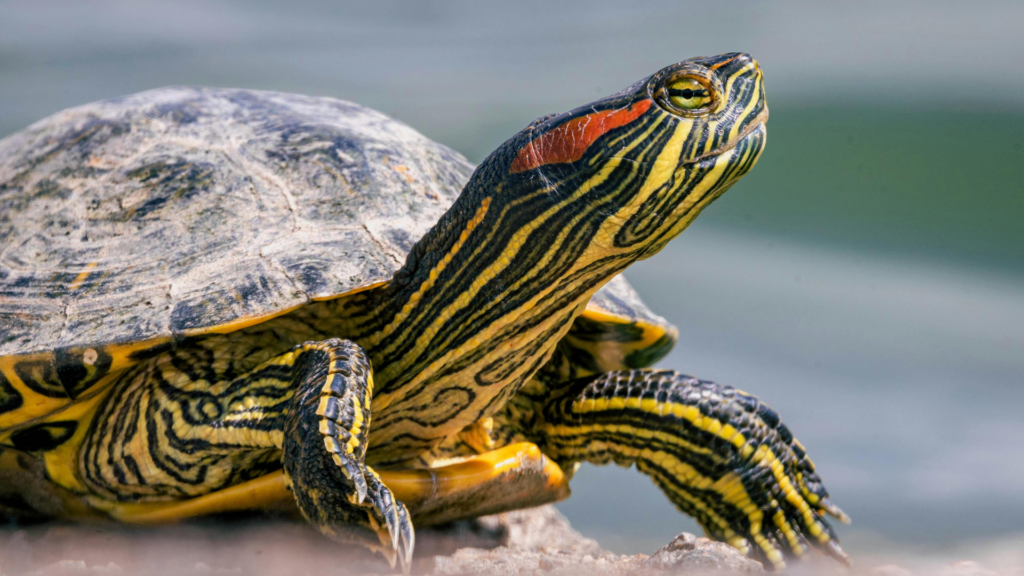
Wildlife experts are warning that abandoned pet turtles are creating growing environmental problems in public wetlands across North America. Many of the turtles being released are invasive species that do not belong in local ecosystems, and researchers say these animals can spread disease, disrupt breeding patterns, compete with native wildlife, and permanently alter fragile wetland habitats. What may seem like a harmless act of “setting a pet free” is increasingly being viewed as a serious ecological threat.
Most Released Pet Turtles Are Red-Eared Sliders
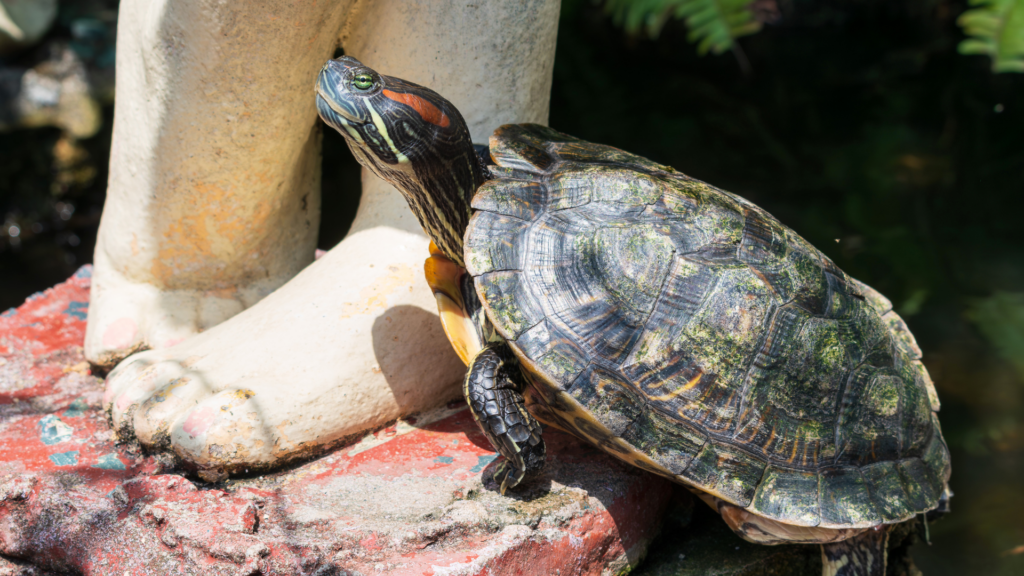
One of the most commonly abandoned pet turtles is the red-eared slider, a species native to parts of the southern United States and northern Mexico. Because they are widely sold as pets, thousands have been released into ponds, lakes, and wetlands far outside their natural range. Wildlife groups say many wetlands now contain large populations of these invasive turtles that originated as household pets.
Released Turtles Can Spread Disease Into Wetlands
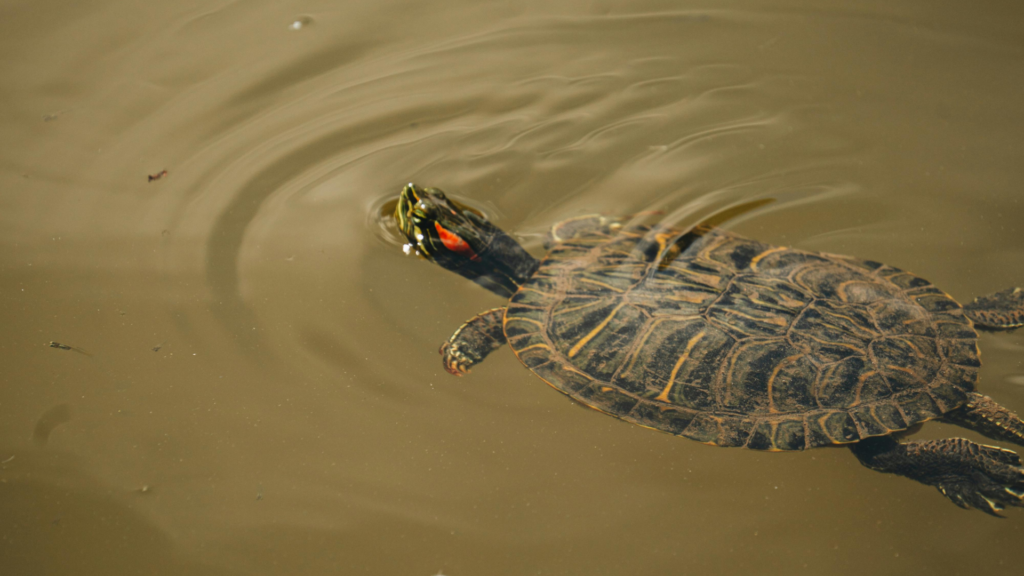
Researchers warn that pet turtles can introduce pathogens, parasites, and diseases into ecosystems that native wildlife have never encountered before. Conservation groups say abandoned turtles may carry illnesses acquired through captivity, transportation, or contact with other exotic reptiles. Once introduced into a wetland, those pathogens can potentially affect native turtles, amphibians, fish, and other aquatic species.
Biological Competition Can Harm Native Species
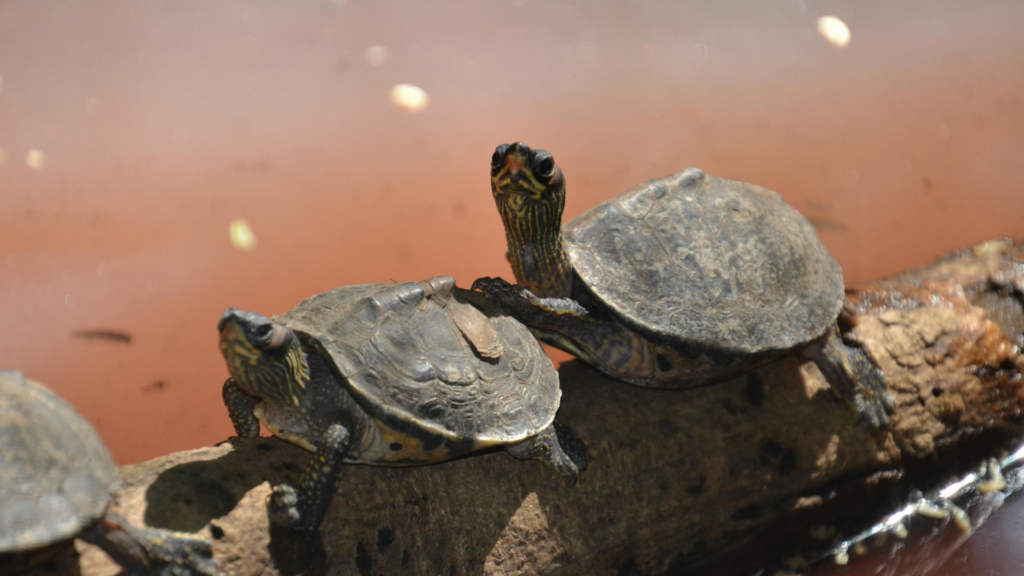
Invasive turtles often compete directly with native species for food, basking areas, nesting habitat, and shelter. Scientists say red-eared sliders are particularly successful competitors because they adapt easily to new environments and can quickly dominate resources. As invasive populations grow, native turtles may struggle to find suitable habitat and breeding areas.
The Reproductive Risks Go Beyond Competition

Experts say abandoned turtles can also create reproductive problems in local ecosystems. Large invasive populations may overwhelm nesting areas, reduce reproductive success for native turtles, and alter the balance of species within wetlands. Because many turtle species already face challenges from habitat loss and declining populations, added reproductive pressure can become especially damaging over time.
Some Invasive Turtles Reproduce Surprisingly Well
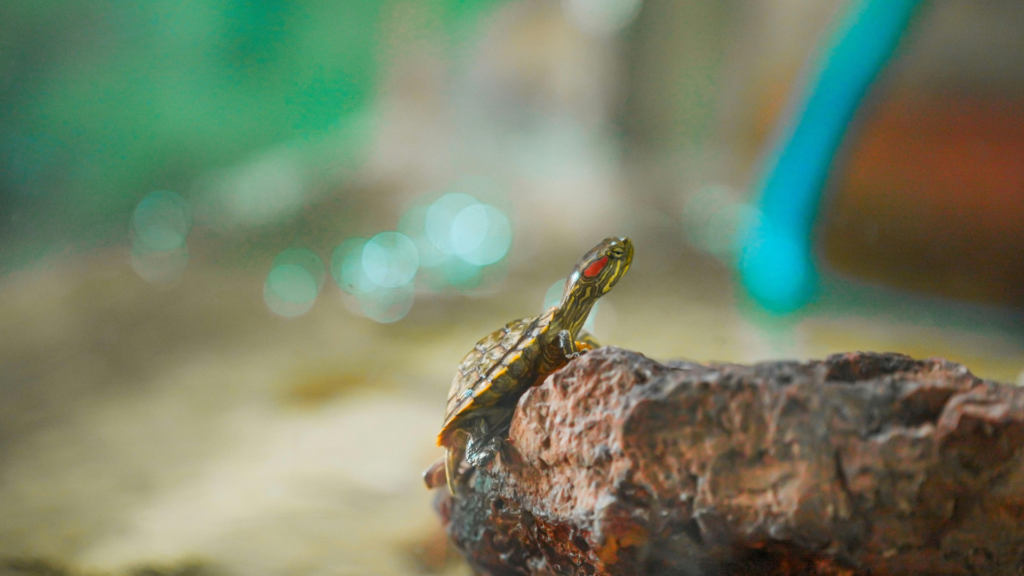
Many pet turtle species are capable of reproducing successfully after release. Red-eared sliders, pond sliders, snapping turtles, and other introduced species have established breeding populations in regions around the world. Once these populations become self-sustaining, removing them becomes extremely difficult and expensive for wildlife agencies.
Abandoned Pets Often Suffer Too
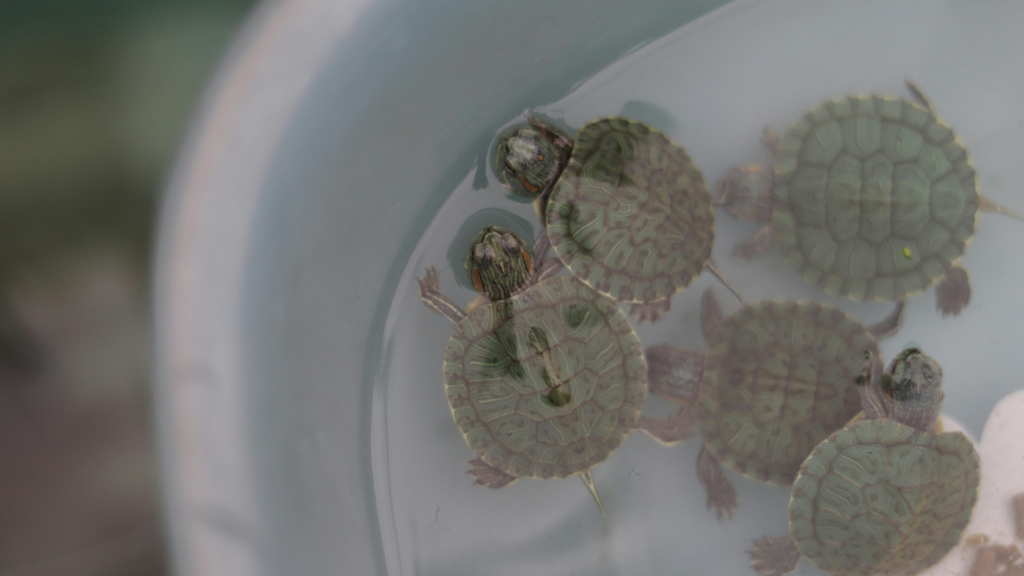
Wildlife advocates emphasize that releasing a turtle is often harmful to the animal itself. Captive turtles may not know how to find food, avoid predators, survive harsh winters, or navigate unfamiliar habitats. Many die shortly after release, while others survive only long enough to contribute to ecological problems in their new environment.
Wetlands Are Already Under Pressure
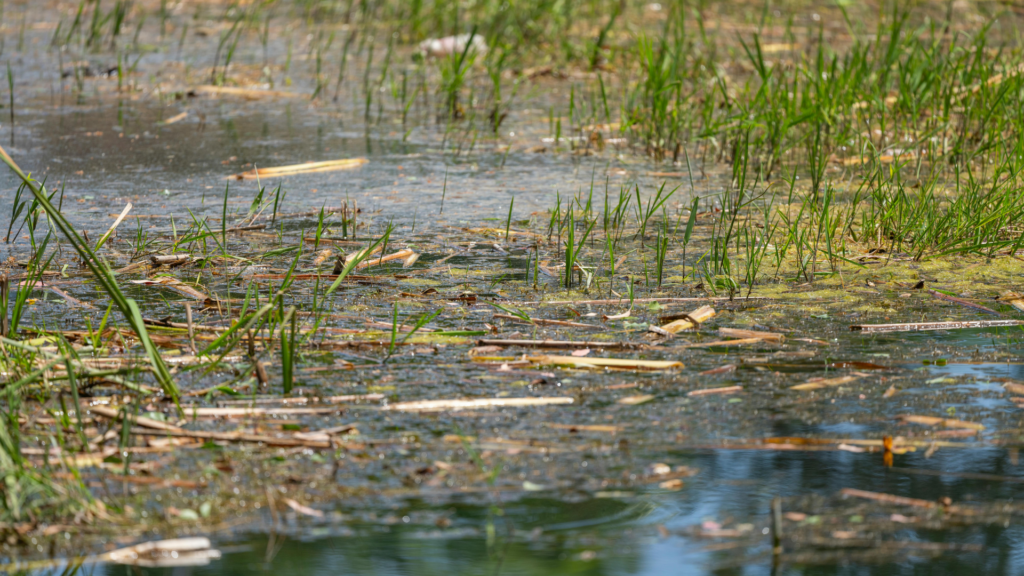
Public wetlands are among the most vulnerable ecosystems in North America. Many already face pressure from pollution, habitat destruction, invasive plants, climate change, and declining biodiversity. Conservationists say adding invasive turtles to these stressed environments creates yet another challenge for wildlife managers attempting to protect native species.
Wildlife Groups Are Urging Owners Not To Release Pets
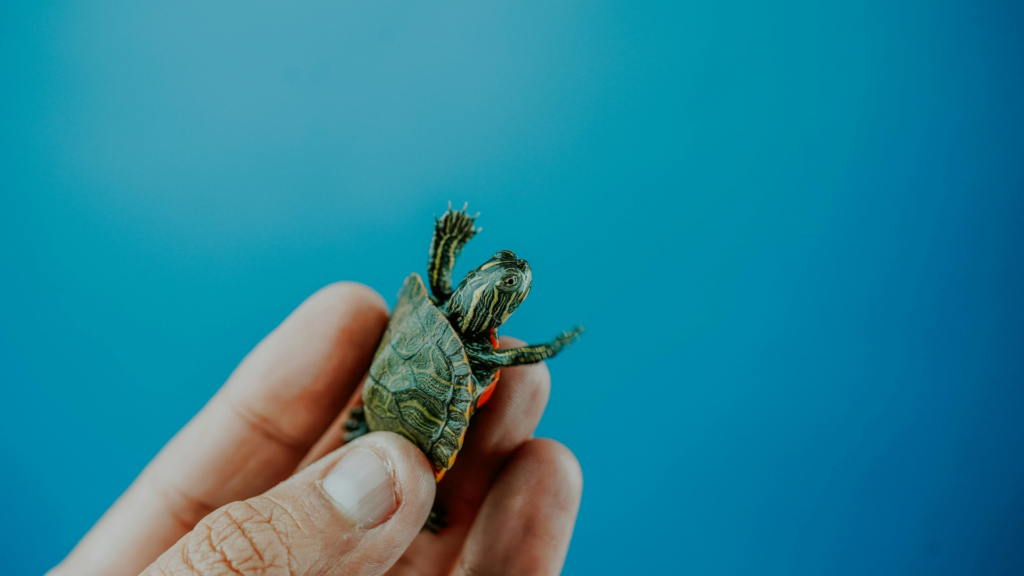
Rescue organizations and turtle conservation groups strongly encourage owners to surrender unwanted turtles through shelters, rescue networks, reptile organizations, or adoption programs instead of releasing them outdoors. Experts say responsible rehoming is far safer for both the animal and the environment. Many regions now operate specialized turtle rescue programs specifically because of the growing abandonment problem.
Experts Say Prevention Is Easier Than Cleanup
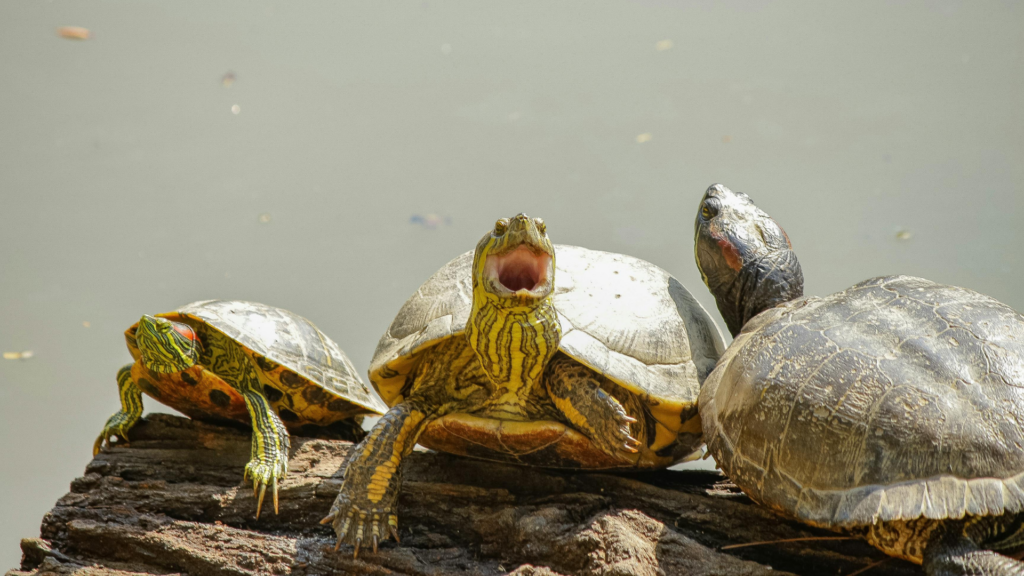
Conservationists warn that once invasive turtle populations become established, controlling them can take years of costly removal efforts with no guarantee of success. That is why experts say public education remains the most important solution. By preventing pet releases in the first place, wildlife officials hope to protect wetlands from long-term biological disruption, disease introduction, and reproductive threats that could affect native species for generations.
PetsFanatic Team
Pet Care Expert & Content Creator
Passionate about sharing knowledge and tips for better pet care. Writing about everything from pet health to training techniques.