
Invasive 20-Inch Jellyfish Wash Up on Texas Beaches, Deplete Food Supply for Native Species

Texas beachgoers are encountering an unwelcome visitor along the Gulf Coast. The Australian white-spotted jellyfish, native to the Western Pacific from Australia to Japan, are washing ashore in increasing numbers, with multiple sightings reported in November 2025. These striking creatures feature dome-shaped bells covered in bright white spots and average 18 to 20 inches in bell diameter. One beachgoer found a 16-inch specimen at Padre Island National Seashore on November 22. The species poses significant threats to Gulf ecosystems.
The Jellyfish Likely Arrived Through Ships’ Ballast Water

The jellyfish likely hitched a ride to Texas through ships’ ballast water, according to Jace Tunnell, community engagement editor at the Harte Research Institute at Texas A&M-Corpus Christi. Ships take on ballast water to compensate for offloaded cargo weight, keeping vessels stable, balanced, and safe. This water, drawn directly from harbors, docks, or the open ocean, can contain bacteria, plankton, eggs, and various organisms. Ballast water has transported invasive marine species worldwide, including seaweed that spread throughout Spain and Sicily.
Multiple Sightings Occurred Over a Single Weekend in November
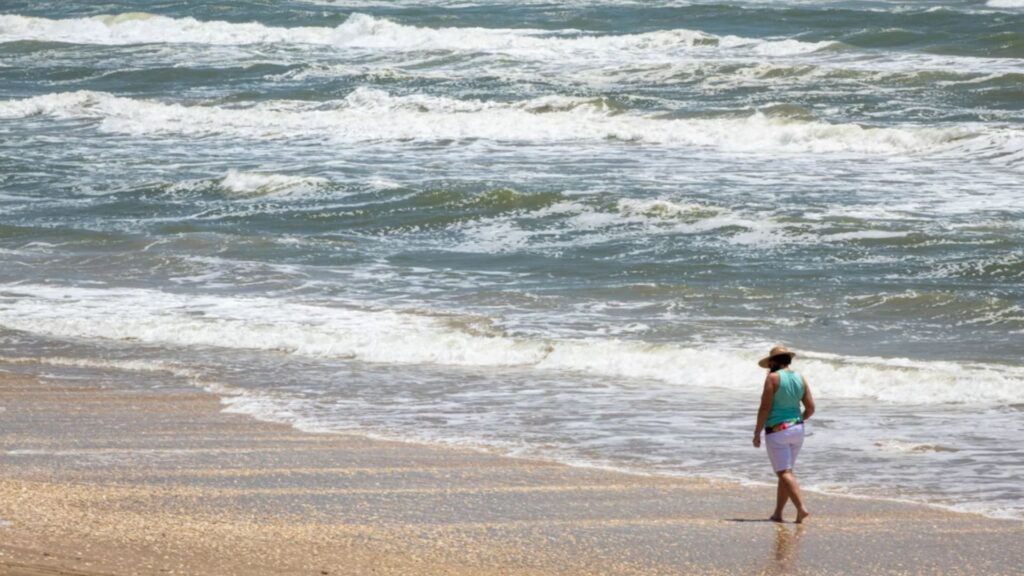
Eric Ozolins discovered the 16-inch jellyfish at Padre Island National Seashore and told MySA it was his first time stopping to photograph the species. He wasn’t alone in his find. Tunnell confirmed several reports of Australian white-spotted jellyfish sightings that same weekend, and he personally found specimens near Bob Hall Pier in Corpus Christi on Saturday, November 22. Tunnell hadn’t seen the species since summer 2025, when reports first surfaced.
Researchers Found One Specimen Measuring 28 Inches Across

The jellyfish are hard to miss when they wash ashore. While they typically average 18 to 20 inches in bell diameter, researchers documented one specimen with a 28-inch bell diameter off the North Carolina coast, according to the Texas Invasive Species Institute. Their dome-shaped bells, covered in bright white spots, make them unmistakable. “They are beautiful, but don’t belong here,” Tunnell told MySA.
The Species Stings but Doesn’t Threaten Humans

Like most jellyfish, the Australian white-spotted jellyfish stings. However, Tunnell said the sting is mild, and their venom isn’t toxic or a threat to humans, according to MySA. Their venom isn’t strong enough to kill prey, so they mainly feast on plankton. The real concern isn’t their interaction with beachgoers but what they consume. Their feeding habits pose serious problems for the Gulf’s marine ecosystem.
Each Jellyfish Filters 50 Cubic Meters of Water Daily

The Australian white-spotted jellyfish’s ability to consume massive amounts of zooplankton threatens water column ecosystems worldwide, according to the Texas Invasive Species Institute. Each jellyfish can filter up to 50 cubic meters of water per day, consuming enormous quantities of plankton that native species depend on for survival. This feeding behavior puts plankton-eating marine life, particularly shrimp, at significant risk. Local species now face intensified competition for food as these invasive jellyfish establish populations and deplete Gulf waters of critical plankton.
Invasive Species Drive Extinctions Alongside Habitat Loss

Invasive species cause significant harm when they enter new environments. They compete with native species for limited resources and reduce biodiversity by dominating ecosystems. Invasive plants and animals rank as one of the leading causes of extinction alongside habitat loss, according to The Cool Down. The Australian white-spotted jellyfish specifically threaten the Gulf’s balance by consuming plankton that supports the broader food web, from tiny shrimp to larger fish populations.
Removing the Species Will Challenge Researchers

Removing the invasive jellyfish will be difficult, but not impossible, according to The Cool Down. Because invasive species reproduce rapidly, faster removal produces better outcomes. Researchers are noting where the jellyfish wash ashore to track their spread throughout Gulf waters. The data helps scientists understand how far the invasion has progressed and which areas need attention. Still, preventing invasions remains more effective than controlling established populations.
Better Ballast Water Practices Could Stop Future Invasions

The best approach to invasive species involves preventing them from arriving in the first place. For ships, this means better ballast water management. One effective method includes flushing ballast water in the open ocean far from shore, a practice that can remove more than 90 percent of organisms, according to research from the Smithsonian Environmental Research Center. Ships still maintain stability, but improved practices can achieve this while protecting ecosystems.
Researchers Will Monitor Whether the Jellyfish Become Permanent Residents
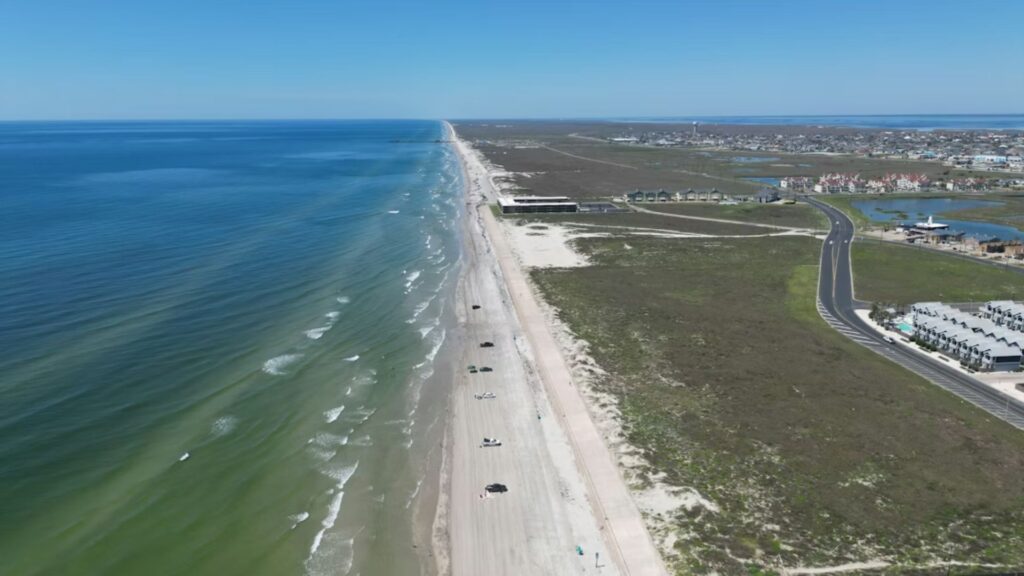
The November 2025 sightings, following summer reports, suggest the Australian white-spotted jellyfish may be establishing a presence in Gulf waters. Researchers continue monitoring Texas beaches to determine whether these creatures will become permanent residents or remain occasional visitors. The species’ spotted pattern and impressive size make citizen reporting easier, helping experts gather data. Tracking when and where these jellyfish appear allows scientists to understand invasion patterns and respond appropriately.
PetsFanatic Team
Pet Care Expert & Content Creator
Passionate about sharing knowledge and tips for better pet care. Writing about everything from pet health to training techniques.