
‘I’m so glad you guys looked in there’: Diver Makes Troubling Discovery in Floating Plastic Jug

When we think of plastic pollution, we often picture bottles or bags drifting across the waves. But the true impact becomes painfully real when we see how it harms marine life directly. Recently, a diver’s experience highlighted both the dangers and the small victories that come from paying attention to what we discard into the sea.
A Troubling Find

While diving, conservationist Kayleigh came across a floating white jug. At first glance, it looked like just another piece of litter, until a closer inspection revealed movement inside.
A Fish in Distress
Inside the plastic container was a small fish that had once entered through the spout. As it grew, the opening became too narrow, leaving the animal trapped in its artificial cage.
A Careful Rescue

To free the fish, Kayleigh and her team cut open the seam of the jug. Once the gap was wide enough, they gently released the fish back into the ocean, allowing it to swim freely again.
The Importance of Checking Debris

This incident underscored an important reminder: every piece of marine debris should be checked before disposal. What seems like empty trash may actually shelter, or endanger, living creatures.
Hidden Dangers in the Water
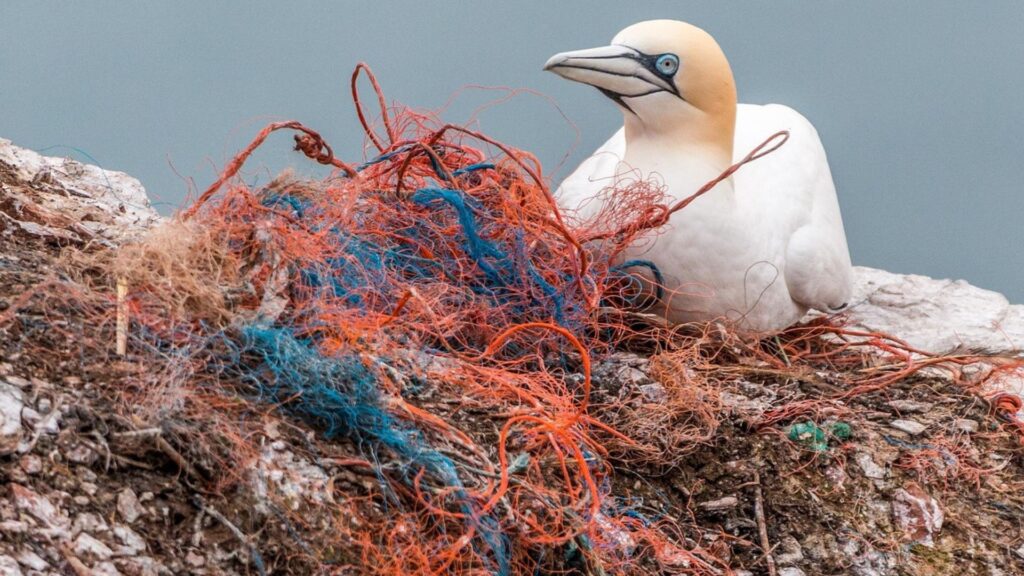
Lost fishing gear, abandoned nets, and even tires are among the most hazardous objects for wildlife. They can entangle, choke, or injure animals like turtles, seals, and dolphins, often with fatal consequences.
The Plastic Problem

Plastic remains the most persistent pollutant. According to the United Nations Environment Programme, global plastic production has skyrocketed since the year 2000. Today, more than 440 million tons are produced annually, with projections nearing 1,200 million tons by 2050.
Small Actions That Matter

Individual choices can help slow this trend. Choosing reusable water bottles, refusing single-use grocery bags, and supporting brands that minimize packaging are simple steps that collectively make an impact.
Larger-Scale Change

Beyond personal habits, systemic solutions are also needed. Supporting policies that regulate plastic waste, advocating for climate-conscious leaders, and participating in local cleanup initiatives can amplify the effect.
A Natural Contrast

At the end of the rescue, the divers dropped the top of a pineapple into the water. Within seconds, several fish gathered around it. Unlike plastic debris, natural materials provide shelter and food without endangering marine life.
A Lesson from the Sea

This story is both sobering and hopeful. It shows the damage our waste can cause, but also reminds us that attentive action, whether freeing a fish or reducing plastic use, can make a real difference for ocean health.
PetsFanatic Team
Pet Care Expert & Content Creator
Passionate about sharing knowledge and tips for better pet care. Writing about everything from pet health to training techniques.