
Biologists Stunned After Finding Ice Age Brown Bears Survived By Shape-Shifting Their Jaws

You’d think surviving an ice age means growing thick fur and waiting it out. Brown bears did something far stranger. Scientists studying ancient bear fossils found something no one expected: brown bears actually reshaped their own jaws over and over as the climate swung wildly between freezing and warm periods. Meanwhile, their close cousin, the cave bear, could not keep up and vanished completely. One animal adapted its very bones. The other one didn’t, and paid for it with extinction.
One Scientist Measured Nearly 200 Ancient Jawbones to Crack the Case

Anneke H. van Heteren at the Bavarian State Collections of Natural History led a detailed study into ancient bear anatomy. Her team examined the lower jaws of nearly 200 bears, more than half of them fossils dug from the ground. Twenty-one of those jaws belonged to ancient brown bears, the same species still living in Europe today. The rest included cave bears and polar bears, giving researchers a wide range of diets to compare. That variety would prove essential to the discovery.
A Tiny Muscle Attachment Point Told the Whole Story

Researchers didn’t just glance at old bones and guess. They mapped dozens of precise 3D points onto each jaw using a digitizing arm and surface scanner. Most of those points clustered around the teeth and the spot where the chewing muscle attaches to the bone. That single attachment point matters more than it sounds. Small shifts there change how much crushing power a bear’s bite can generate. This tiny detail became the key to unlocking an ancient survival story.
Two Distinct Jaw Types Kept Reappearing Throughout the Fossil Record
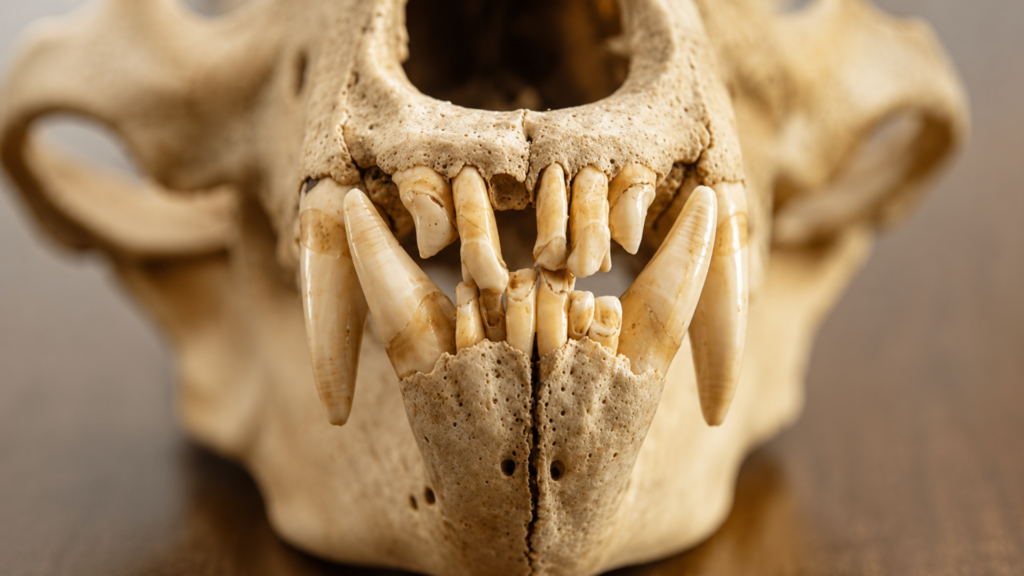
The data revealed something remarkable. Two different jaw designs showed up again and again throughout the fossil record, tied directly to climate. Cold-period bears had longer cheek teeth and stronger chewing muscles built for extra grinding power. Their jaws closely resembled bears living today in cold northern regions or high elevations. Warm-period bears carried shorter teeth and lighter jaw muscles instead. The pattern repeated itself across thousands of years, not just once.
Two Fossils, Thousands of Years Apart, Prove the Pattern

Two specific fossils make this shift undeniable. One came from Le Régourdou Cave in France, dating back roughly 243,000 years to a cold stretch of the ice age. The other came from Postes Cave in Spain, dated between 71,000 and 104,000 years old, during a warmer spell. The Spanish fossil clearly carries the shorter jaw and lighter muscle build of a warm-climate bear. These jaw types appeared at random points across the fossil timeline, not in a straight line.
Normal Evolution Moves Far Too Slowly to Explain This

Here’s where the mystery deepens. Ordinary genetic evolution takes thousands of generations to reshape an animal’s body. The ice age climate swung back and forth far too quickly for that slow process to keep pace. Researchers instead point to two faster explanations. One is called phenotypic plasticity, where a young bear’s jaw grows differently based on what it eats. The other is epigenetic inheritance, where gene activity changes without altering the DNA itself.
Reversibility May Be the Real Secret Behind Survival

Both of these adaptation methods share one crucial trait: they can switch on and off within just a generation or two. That reversibility appears to be the deciding factor in who survived and who didn’t. The cave bear, by contrast, had committed hard to a strict plant-based diet. When the climate shifted rapidly near the end of the ice age, that rigid specialization left the cave bear with nowhere left to turn.
The Cave Bear’s Biggest Strength Became Its Fatal Flaw
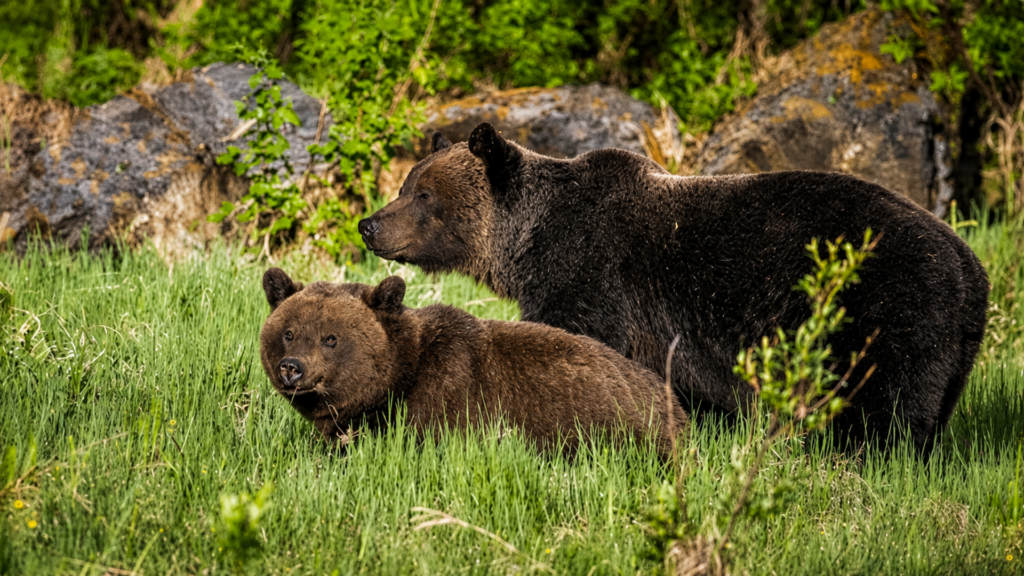
A separate study of cave bear teeth backs up this theory directly. Researchers found the cave bear had lost the dietary flexibility that omnivores typically keep in reserve for hard times. Brown bears, meanwhile, kept eating whatever each season offered them. “Their ability to cope with such extreme climatic fluctuations likely played a decisive role in their evolutionary success,” van Heteren explains. That single trait separated a species that thrived from one that disappeared entirely.
The Difference Between These Jaws Rivals Two Living Bear Species Today

The gap between warm-period and cold-period bear jaws is larger than it might seem at first glance. It runs about as deep as the physical difference between a modern grizzly bear and today’s European brown bear. That is a striking amount of change to happen within a single species over time. Researchers now view these ancient bears less as one unchanging animal and more as several distinct, climate-shaped versions of the same creature.
This Ancient Flexibility Might Already Be Protecting Bears Today
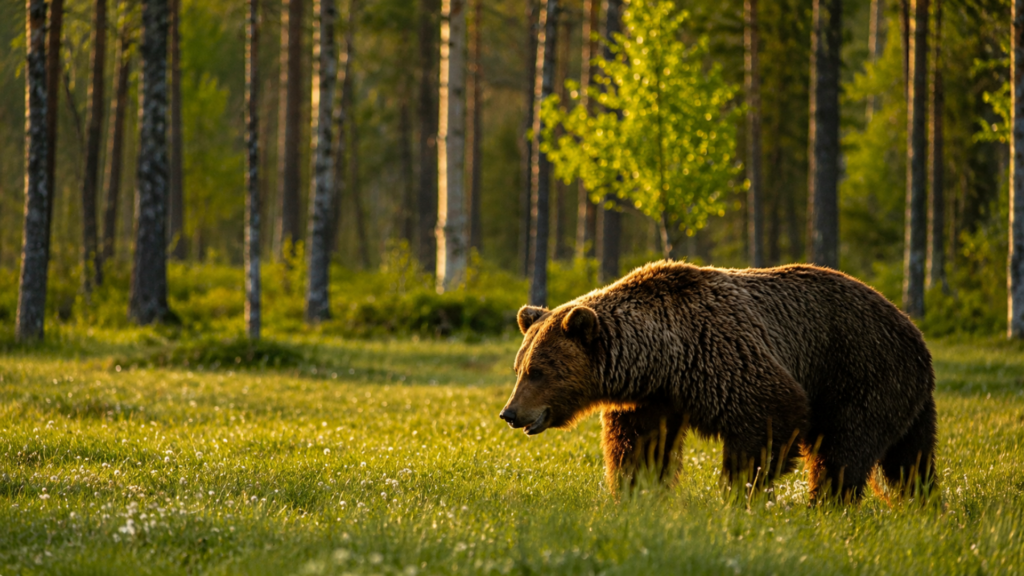
This isn’t just a story about the distant past. Brown bears now face another rapidly shifting climate, and that old flexibility may still be quietly working in their favor. One study of wild European bear populations found that mother bears teach their cubs what to eat far more than genetics alone decide it. That inherited flexibility keeps every generation’s options open. The same trick that carried brown bears through an ice age may be exactly what carries them through this one too.
PetsFanatic Team
Pet Care Expert & Content Creator
Passionate about sharing knowledge and tips for better pet care. Writing about everything from pet health to training techniques.