
‘I Don’t Care. Fine Me, I’m Rich,’ Tourist Said Before Being Detained for Throwing a Rock at an Endangered Hawaiian Seal

A tourist accused of throwing a large rock at an endangered Hawaiian monk seal in Maui is now facing federal charges after a video of the incident spread widely online. Authorities identified the man as Igor Mykhaylovych Lytvynchuk, a 38-year-old from Covington, Washington, according to a criminal complaint unsealed by the U.S. Attorney’s Office for the District of Hawaii.
The incident happened on May 5 near Lahaina, where witnesses said the seal, known locally as “Lani,” was swimming close to shore while nudging a floating log through the water. According to federal investigators, Lytvynchuk followed the seal’s movements along the shoreline before picking up a large rock and hurling it toward the animal’s head. The rock narrowly missed Lani’s nose, startling the seal and causing her to rear out of the water.
Witnesses immediately confronted the tourist, telling him police had been called. Multiple reports cited witnesses saying the man replied, “I don’t care. Fine me, I’m rich,” before attempting to walk away. Beachgoers filmed portions of the encounter, and the footage quickly circulated online, drawing outrage across Hawaii and beyond. NOAA agents later arrested Lytvynchuk near Seattle on May 13 and yet to be convicted.
Why Lani’s Story Resonated Across Maui
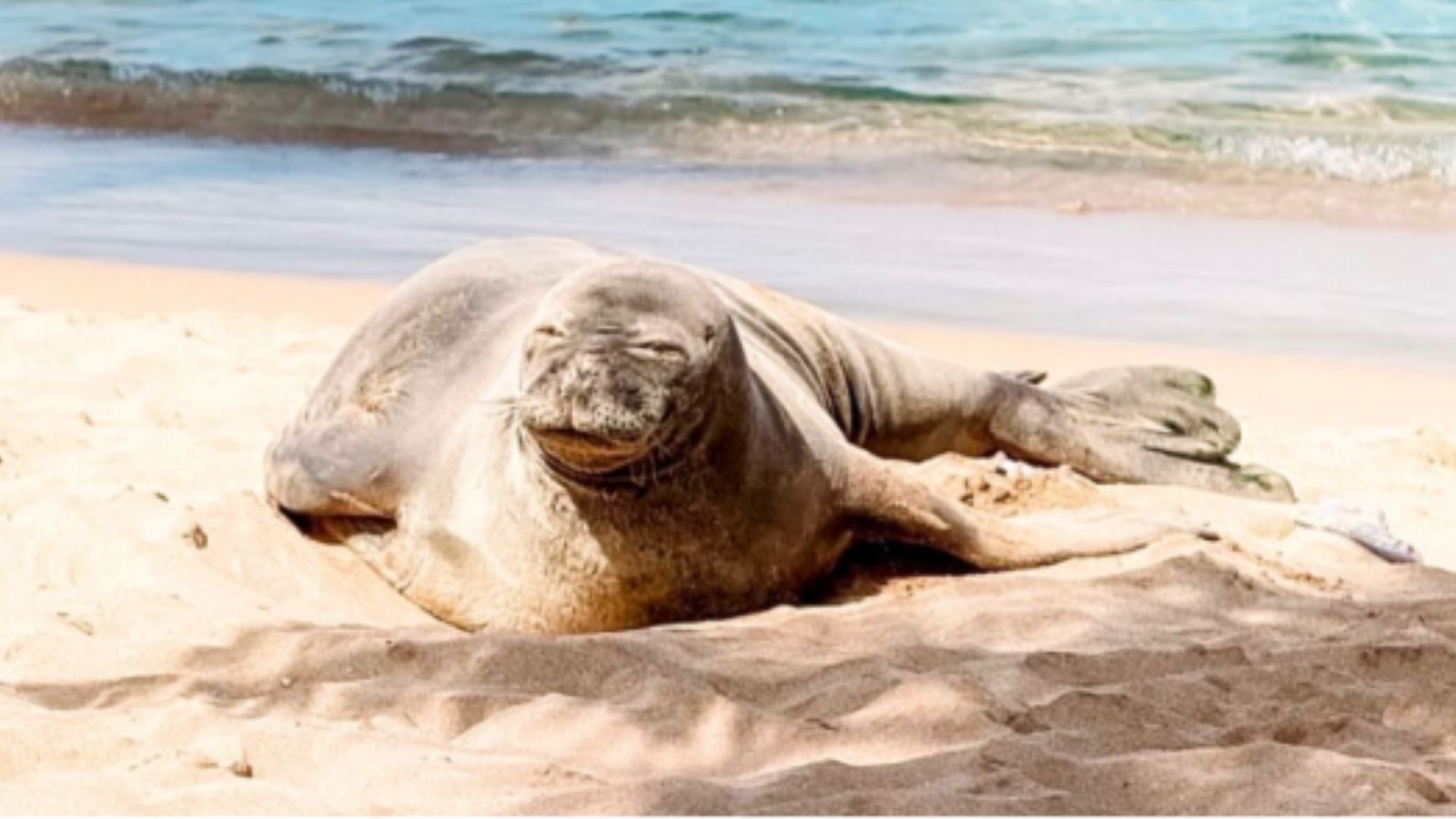
For many residents, the reaction to the incident went beyond concern for a single animal. Lani had become something of a local symbol in Lahaina following the devastating 2023 wildfires that reshaped the historic Maui community. Residents and local officials said people had grown attached to the seal after regularly spotting her near the shoreline in the months following the disaster.
Maui Mayor Richard Bissen condemned the incident in a public statement, describing Lani as part of Lahaina’s “ocean ohana,” or family. He said residents had “watched over and cared deeply for her” since her return to the area. Bissen also stressed that visitors are expected to respect Hawaii’s environment and wildlife, adding that behavior like this “will not be tolerated.”
The emotional response reflected the cultural and environmental importance of Hawaiian monk seals across the islands. These animals are native to Hawaii and found nowhere else in the world. Conservation officials have long worked to encourage coexistence between humans and monk seals, especially as the animals increasingly haul out on beaches popular with tourists and residents alike.
The footage also reignited broader conversations about visitor behavior in Hawaii, where tensions occasionally surface over environmental respect and overcrowding at natural sites. Social media users flooded comment sections with criticism, while some online reviewers targeted businesses allegedly connected to Lytvynchuk, though some of those claims have not been independently verified.
One of the World’s Rarest Marine Mammals

Hawaiian monk seals are among the rarest marine mammals on Earth. According to NOAA Fisheries, only about 1,600 remain in the wild, with roughly 400 living around the main Hawaiian Islands. The species has been protected under the Endangered Species Act and the Marine Mammal Protection Act for decades.
The seals face numerous threats, including habitat loss, disease, entanglement in marine debris, and harmful human interactions. NOAA says intentional harm remains one of the most serious concerns in populated coastal areas. Federal officials noted that at least several monk seals have died in recent years from gunshots or blunt force trauma.
Despite conservation efforts helping stabilize the population in recent years, wildlife experts say every individual seal matters to the species’ long-term recovery. NOAA estimates the current population remains only about one-third of its historical size. Recovery programs have included veterinary care, rescue operations, habitat protection, and public education campaigns designed to reduce dangerous human interactions.
Officials routinely remind beachgoers to stay at least 50 feet away from resting monk seals and avoid disturbing them in the water. Harassing or harming the animals can lead to steep fines and criminal penalties under both state and federal law. Authorities said the visibility of the Maui incident may help reinforce those protections and increase public awareness.
Charges Carry Potential Prison Time and Heavy Fines
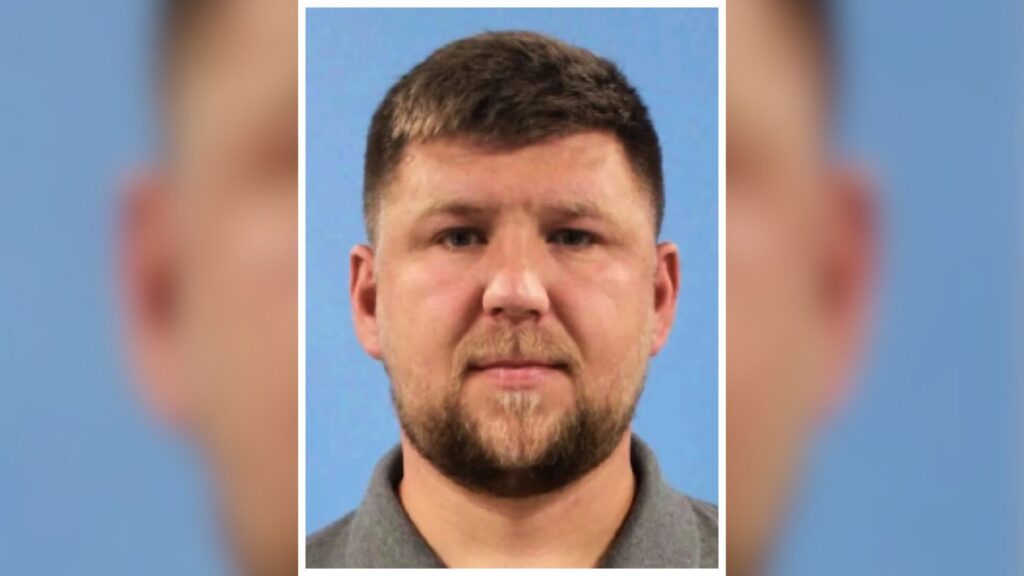
Federal prosecutors charged Lytvynchuk with violating both the Endangered Species Act and the Marine Mammal Protection Act. If convicted, he could face up to one year in prison for each charge, along with supervised release and fines totaling as much as $70,000.
The Department of Justice said the case is being investigated by NOAA’s Office of Law Enforcement. Prosecutors emphasized that the charges remain allegations, and Lytvynchuk is presumed innocent unless proven guilty in court. His initial court appearance was scheduled in federal court in Seattle following his arrest.
The case also highlighted how quickly wildlife incidents can escalate in the age of social media. Video footage recorded by bystanders became central to public awareness of the event and appears to have accelerated calls for accountability. Authorities have not publicly stated whether Lani suffered lasting injuries, though witnesses reported the seal remained unusually still after the rock was thrown.
For conservation advocates, the incident became a stark reminder of the pressures endangered wildlife face even in protected environments. Hawaiian monk seals have survived decades of population decline, changing ecosystems, and increasing human activity along coastlines. Wildlife officials say continued public cooperation will remain essential if the species is to recover fully in the years ahead.
PetsFanatic Team
Pet Care Expert & Content Creator
Passionate about sharing knowledge and tips for better pet care. Writing about everything from pet health to training techniques.