
Hungry Bears Are Moving Closer to New Hampshire Homes in Search of Food

Wildlife officials in New Hampshire are reporting a noticeable increase in black bear sightings as the animals venture closer to neighborhoods in search of easy meals. While black bears are common throughout the state, seasonal food shortages and readily available human food sources are encouraging more bears to visit residential areas. Officials are urging residents to remove food attractants and give bears plenty of space to reduce the risk of dangerous encounters.
Seasonal Food Shortages Are Driving Bear Activity
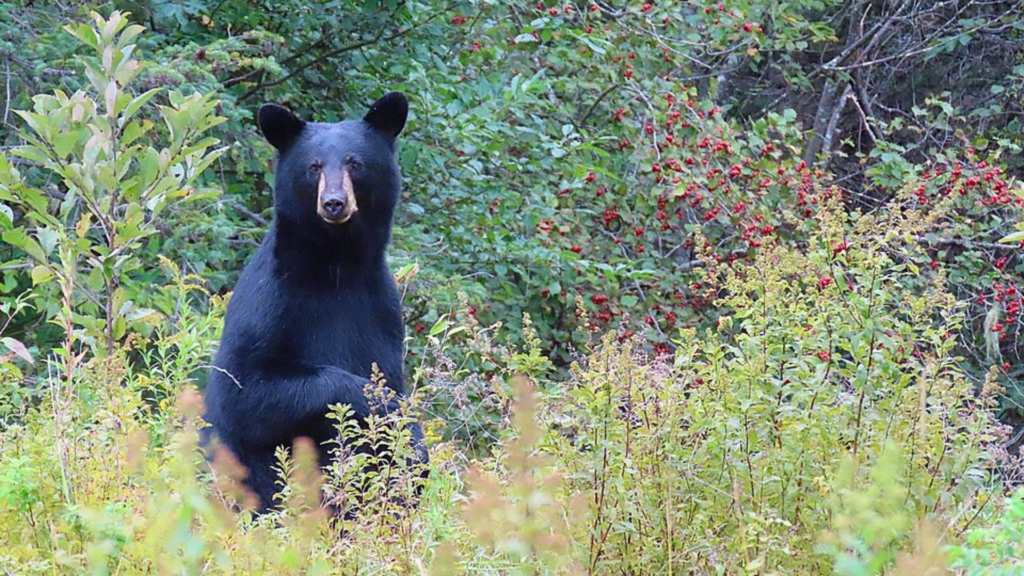
Natural food supplies can vary significantly from year to year depending on weather conditions. When berry crops, nuts, and other wild foods are less abundant, bears travel farther to find enough calories, especially during late summer and early fall when they begin preparing for winter hibernation. Wildlife biologists say this seasonal behavior often leads to an increase in sightings near homes.
Residential Areas Offer Easy Meals

Garbage cans, bird feeders, pet food, backyard grills, compost piles, and livestock feed provide high-calorie meals that are much easier for bears to obtain than natural foods. Once a bear discovers a reliable food source, it may return repeatedly and lose some of its natural caution around people. Preventing bears from accessing these food sources is considered one of the most effective ways to reduce conflicts.
Bird Feeders Are One of the Biggest Attractions

Wildlife officials consistently identify bird feeders as one of the leading reasons bears visit residential neighborhoods. The high-fat seeds and suet provide valuable nutrition, especially when natural food is scarce. Residents are encouraged to remove bird feeders temporarily if bears are active in their area or wait until winter when bears are typically denned.
New Hampshire’s Black Bear Population Remains Healthy

New Hampshire supports one of New England’s largest black bear populations, with wildlife officials estimating roughly 5,000 black bears live throughout the state. Most bears avoid human contact whenever possible and spend the majority of their lives in forests. Increased sightings do not necessarily indicate aggressive behavior, but they do highlight the importance of minimizing food attractants.
Most Bear Encounters Can Be Prevented

The New Hampshire Fish and Game Department recommends storing garbage in secure containers until collection day, cleaning outdoor grills after each use, bringing pet food indoors, and protecting chicken coops or livestock feed. Residents should also avoid intentionally feeding bears, since doing so increases the likelihood of repeated visits and future conflicts.
What to Do If You Encounter a Bear
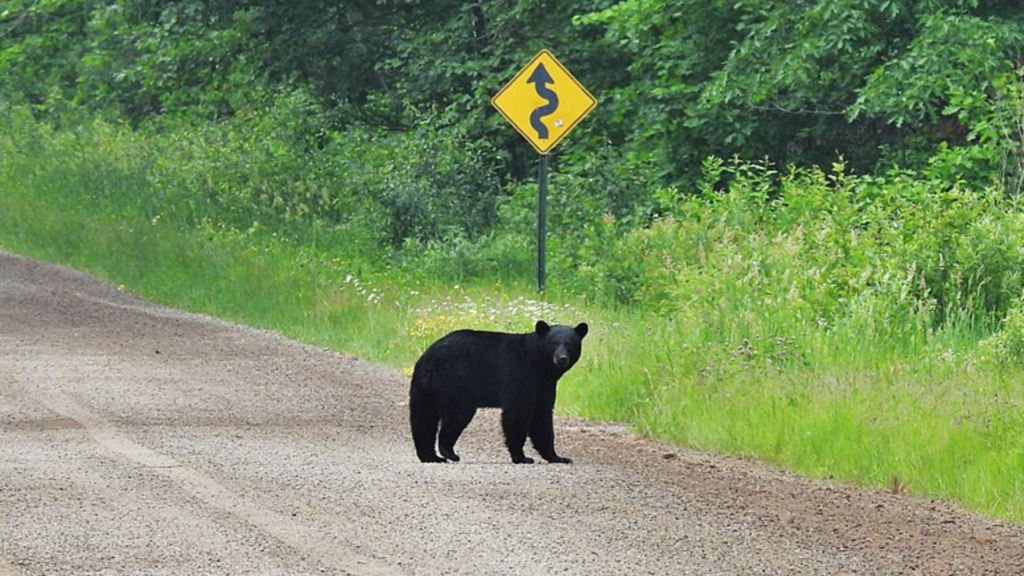
If you see a black bear, wildlife experts recommend remaining calm, giving the animal plenty of space, and never approaching it for photographs. If a bear lingers near your property, make loud noises from a safe location to encourage it to leave while ensuring it has a clear escape route. Running toward or cornering a bear should always be avoided.
Wildlife Officials Continue Public Education Efforts

State wildlife agencies regularly educate homeowners about preventing bear conflicts through public meetings, online resources, and seasonal advisories. Officials stress that communities play a critical role in reducing encounters by removing food sources before bears become accustomed to visiting neighborhoods. Education has helped decrease repeated nuisance incidents in many areas.
More Sightings Are Likely Through Fall

Wildlife experts expect bear activity to remain elevated through late summer and autumn as animals consume as many calories as possible before entering their winter dens. During this period, bears may travel long distances each day searching for food. Residents should remain alert and continue practicing bear-safe habits until bears become less active later in the season.
Reducing Food Sources Helps Keep Bears Wild

The increase in bear sightings across New Hampshire reflects the animals’ natural search for food rather than a sudden rise in aggression. By securing garbage, removing bird feeders, and eliminating other easy food sources, homeowners can greatly reduce the likelihood of attracting bears. Wildlife officials say simple preventive steps protect both residents and the state’s healthy black bear population by encouraging bears to remain in their natural habitat.
PetsFanatic Team
Pet Care Expert & Content Creator
Passionate about sharing knowledge and tips for better pet care. Writing about everything from pet health to training techniques.