
Hundreds of Intact Dinosaur Eggs Discovered in Exceptional 72 Million Year Old Nesting Ground

A remarkable discovery in southern France has brought new attention to the study of prehistoric life, as researchers uncovered a densely packed dinosaur nesting site containing hundreds of fossilized eggs. The finding emerged from ongoing excavations led by the Musée-Parc des Dinosaures de Mèze, located in the Hérault region. Experts describe the site as one of the most significant paleontological discoveries in Europe in recent years.
The excavation process, carried out over several months, revealed an extraordinary concentration of well-preserved eggs beneath the surface. According to the museum’s director-curator, Alain Cabot, the scale of the discovery is highly unusual, as most fossil sites typically yield only a small number of eggs rather than such dense clusters.
What makes this site particularly valuable is not only the number of eggs but also their condition. Many remain intact, offering researchers a rare opportunity to study internal structures and gain deeper insights into dinosaur reproduction and early development.
A Site That Reshapes Europe’s Paleontological Map
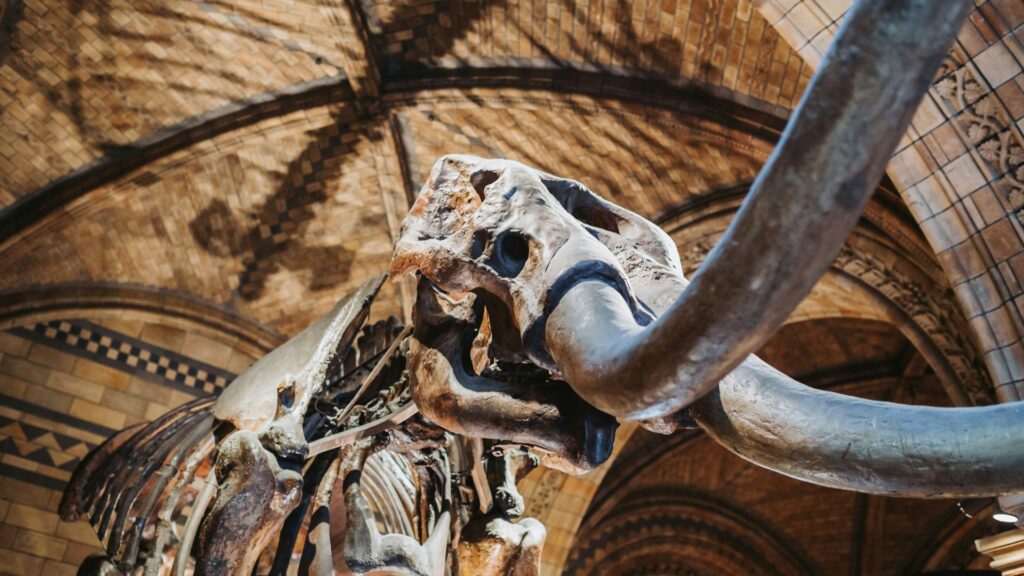
The Mèze fossil site is now considered the largest deposit of dinosaur eggs in Europe and ranks among the most important nesting grounds worldwide. Its scale places it alongside renowned fossil sites in countries such as Argentina, China, and Mongolia, all known for their contributions to the understanding of dinosaur ecosystems.
This discovery is the result of nearly three decades of methodical work. Cabot’s approach begins with identifying small fragments of eggshell on the surface, which often indicate deeper fossil layers below. This technique led to the first discoveries at the site almost 28 years ago and continues to guide current excavation efforts.
Recent findings suggest that the eggs date back approximately 72 million years, placing them in the late Cretaceous Period. This timeframe is crucial for understanding the final stages of dinosaur evolution before their extinction.
Clues About Ancient Ecosystems and Dinosaur Behavior

Beyond their quantity, the arrangement of the eggs provides important clues about dinosaur behavior. The high concentration of nests in a single area suggests that this location functioned as a shared breeding ground, where multiple individuals returned to reproduce over time. Researchers describe it as a fossilized reproductive ecosystem, preserved in remarkable detail.
Environmental conditions played a key role in this preservation. The region is believed to have been a floodplain crossed by rivers, where dinosaurs likely laid their eggs in shallow pits covered with vegetation. Periodic flooding then buried the nests quickly under sediment, protecting them from decay and external damage.
Initial analyses indicate that the eggs may belong to herbivorous species that lived during the final phase of the Cretaceous. Among them are titanosaurs, known for their rounded eggs, and Rhabdodon priscus, a species native to what is now Europe.
A Discovery That Opens the Door to Future Research

For researchers, the emotional impact of the discovery is as significant as its scientific value. Cabot described the site as a direct connection to prehistoric life, offering a tangible glimpse into how dinosaurs lived, reproduced, and interacted with their environment.
The excavation is far from complete. Early observations suggest that the fossil-rich layer extends beyond the currently explored area, indicating that many more eggs may still lie hidden underground. This raises the possibility that the site could grow even more significant in the coming years.
As work continues, scientists expect the findings to contribute to broader research on dinosaur biology and extinction. Each new egg uncovered adds another piece to the puzzle, helping reconstruct a world that existed millions of years ago and deepening humanity’s understanding of life on Earth’s distant past.
PetsFanatic Team
Pet Care Expert & Content Creator
Passionate about sharing knowledge and tips for better pet care. Writing about everything from pet health to training techniques.