
How Killing Millions of Sparrows Led to a Historical Disaster No One Expected

China once launched a nationwide campaign that encouraged citizens to wipe out sparrows, because officials believed the birds consumed too much grain from farms. So communities across the country joined the hunt, and the results appeared promising at first. Soon after, farms faced a disaster few people saw coming.
Great Leap Forward Agricultural Campaign

Mao Zedong launched the Great Leap Forward in 1958 to boost grain output and industrial production across rural China. However, planners soon blamed sparrows for reducing harvests, which pushed officials toward a nationwide campaign targeting the birds.
Launch Of The Four Pests Campaign

China’s leadership soon expanded its agricultural campaign into a nationwide effort known as the Four Pests Campaign, which targeted mosquitoes, flies, rats, and sparrows as threats to public health and food production. However, sparrows drew the greatest attention because officials believed the birds consumed large amounts of grain.
Government Claims Sparrows Consumed Grain Supplies

Chinese officials soon presented figures that framed sparrows as a direct threat to food supplies, stating that each bird consumed about 4.5 kilograms of grain each year. That calculation circulated widely, and it helped authorities argue that eliminating large numbers of sparrows would leave more grain for citizens.
Nationwide Mobilization To Exterminate Sparrows

Authorities soon turned the anti-sparrow campaign into a mass public effort that reached cities, schools, and rural villages across China. Citizens banged pots and pans to force sparrows into constant flight, and the exhausted birds fell from the sky as crowds chased them away from nests.
Collapse Of Natural Pest Control

Sparrows had consumed grain, yet they also fed on insects that damaged crops across rural China. However, the campaign removed that natural predator almost overnight, so insect populations expanded quickly, and farmers soon watched locusts and other pests spread across fields.
Locust Infestations Destroy Crop Production
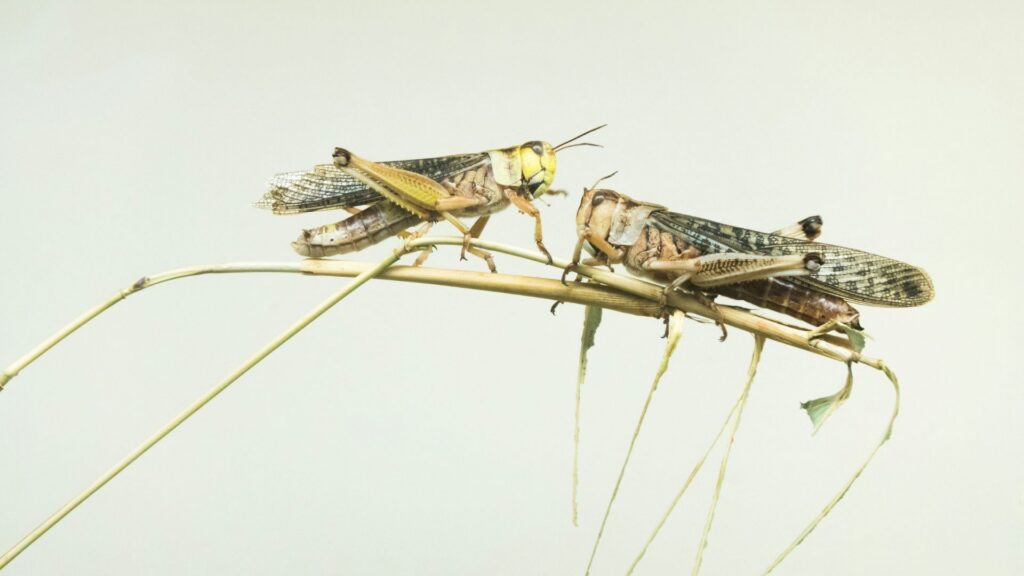
Locust populations soon expanded across farmland once sparrows disappeared from the landscape, and the insects moved through fields in large swarms that stripped crops quickly. Farmers watched grain production fall as the infestations spread, and the harvest that communities expected never arrived.
Nationwide Famine And Mass Starvation

Crop losses soon spread across farming regions, and food supplies began to shrink as harvests failed across large areas of the country. Families faced empty markets and ration shortages, and estimates later reported that between 15 million and 70 million people died during the famine.
Sparrow Reintroduction From The Soviet Union

Chinese officials later recognized the ecological damage created after sparrows disappeared from farmland, and the government responded by importing about 250,000 sparrows from the Soviet Union. That effort aimed to restore the bird population so natural insect control could return to agricultural regions.
When Ecological Balance Collapses

China’s campaign removed sparrows across large areas of farmland, so insect populations expanded quickly and crops disappeared under waves of pests. Harvests shrank across rural regions, which means food supplies tightened across the country, and millions of families soon faced a famine few leaders had anticipated.
PetsFanatic Team
Pet Care Expert & Content Creator
Passionate about sharing knowledge and tips for better pet care. Writing about everything from pet health to training techniques.