
Housing Developers Cleared Land, Killing Native Wildlife, Testimony Sparks ‘Significant’ Outrage

Housing developments across Sydney are rapidly transforming natural landscapes into residential zones. While this growth addresses housing demand, it comes at a steep ecological cost. Native animals are being displaced, injured, or killed as their habitats are cleared. The urgency of construction often overrides environmental considerations. This tension has ignited widespread concern among conservationists and the public alike.
Testimony Reveals Disturbing Practices
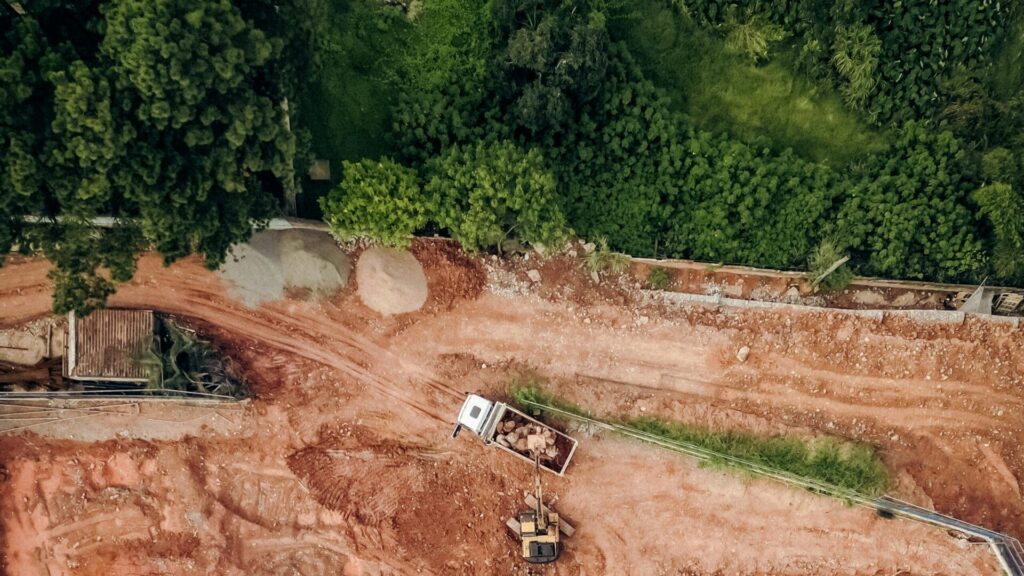
A parliamentary inquiry in New South Wales has uncovered troubling accounts from wildlife rescue groups. Testimonies describe how some developers opt for lethal measures instead of humane alternatives. These decisions are often driven by cost and convenience rather than necessity. The revelations have shocked many who assumed stricter protections were in place. What emerged was a system that appears to allow repeated harm with minimal oversight.
Flawed Permit System Under Scrutiny
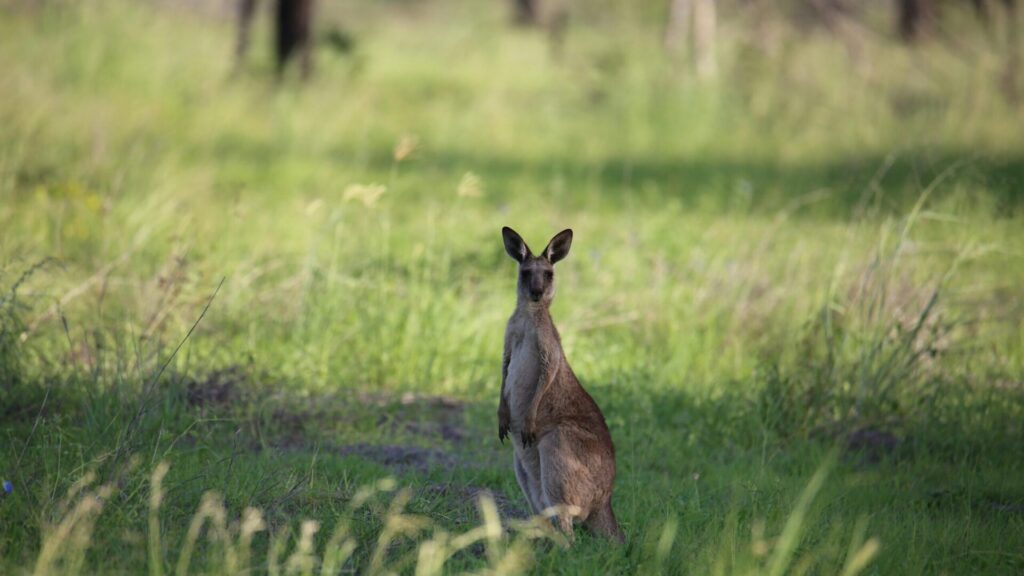
Central to the controversy is the permit system introduced in 2016. These non commercial licenses allow property owners to harm native wildlife under certain conditions. Critics argue that the system lacks accountability and is too easily exploited. Permits can be issued repeatedly in the same areas, leading to ongoing cycles of harm. The inquiry has raised serious questions about whether current regulations truly protect wildlife.
Poisoning Incidents Raise Alarm
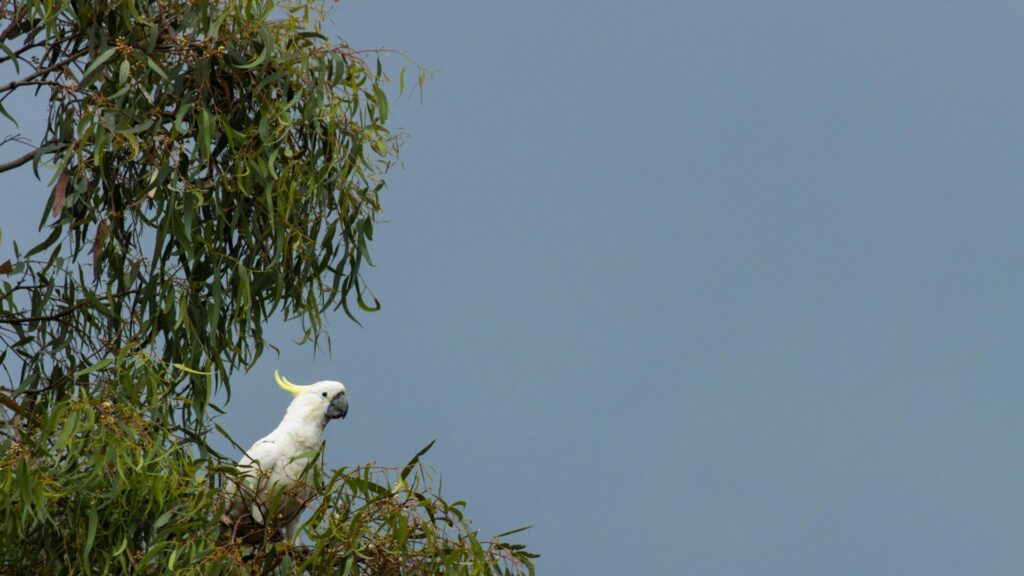
One of the most alarming cases involves the unintended poisoning of protected bird species. In the Sutherland Shire, toxins meant for specific animals spread to others, killing dozens of cockatoos and corellas. This incident highlights the unpredictable consequences of lethal control methods. Secondary poisoning can ripple through ecosystems, affecting species far beyond the original target. Such outcomes underscore the risks of poorly managed interventions.
Neglect Leaves Animals to Suffer
Reports have also surfaced of abandoned traps left on development sites. Possums and other animals can become trapped for extended periods, suffering without rescue or relief. These conditions point to a lack of responsibility once extermination measures are put in place. The suffering is often prolonged and invisible to the public eye. For many advocates, this represents a profound ethical failure.
Nesting Birds Lost in Tree Clearing

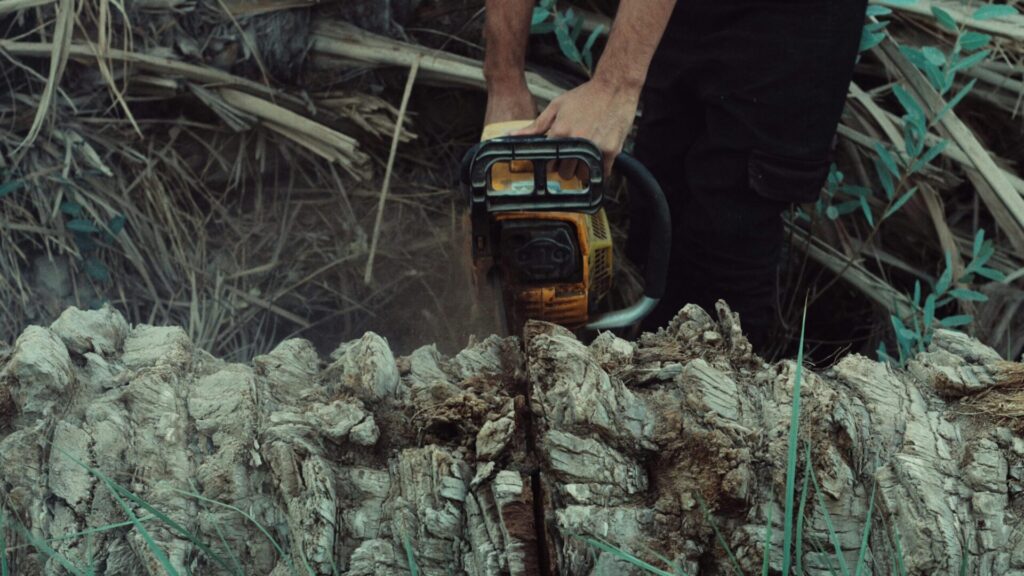
Tree removal during construction has had devastating effects on bird populations. In several cases, trees containing active nests were cut down without intervention. Rescue groups have recovered dozens of baby birds and eggs from these sites. Some of these species, including gang gang cockatoos, are already considered threatened. The loss of nesting habitats compounds the long term risk to their survival.
Wildlife Rescuers Step In to Help

Amid the crisis, wildlife rescue organizations have worked tirelessly to mitigate harm. Volunteers often respond to repeated calls in the same neighborhoods, highlighting systemic issues. Their efforts include rescuing injured animals and relocating vulnerable species. However, these interventions require significant time and resources. The burden placed on volunteers reflects gaps in official protections.
Humane Solutions Prove Effective

Not all encounters between development and wildlife end in tragedy. In one notable case, rescuers collaborated with building managers to protect peregrine falcons nesting on a skyscraper. Through careful guidance and behavioral adaptation, both workers and birds coexisted safely. The result was a nesting period with multiple chicks successfully fledging. This example ցույցs that humane solutions are not only possible but effective.
Public Outrage Fuels Demand for Reform

The inquiry and its findings have sparked significant public backlash. Many are calling for stricter regulations and greater accountability for developers. The idea that killing wildlife is treated as a cost saving measure has deeply unsettled communities. Advocacy groups are pushing for reforms that prioritize conservation over convenience. The growing outrage signals a shift in public expectations.
Future of Wildlife Protection at a Crossroads
As urban development continues, the balance between growth and conservation remains uncertain. The current controversy has brought urgent attention to the need for policy change. Lawmakers now face pressure to close loopholes and enforce humane practices. The outcome of this debate will shape how wildlife is treated in expanding cities. For many, this moment represents a critical turning point for environmental responsibility.
PetsFanatic Team
Pet Care Expert & Content Creator
Passionate about sharing knowledge and tips for better pet care. Writing about everything from pet health to training techniques.