
Hotter Weather Means More Mosquitoes in Almost Every US City. Here’s Why That’s a Health Risk

Mosquitoes have always been part of summer, but scientists say they’re now sticking around for much longer in many parts of the United States. A new Climate Central analysis found that 95% of 239 major U.S. cities have gained more days each year with temperatures favorable for West Nile virus transmission compared with the early 1970s. Those extra weeks do not simply mean more itchy bites. They create additional opportunities for mosquitoes to spread diseases that already affect thousands of Americans each year.
What Are “Mosquito Disease Days”?
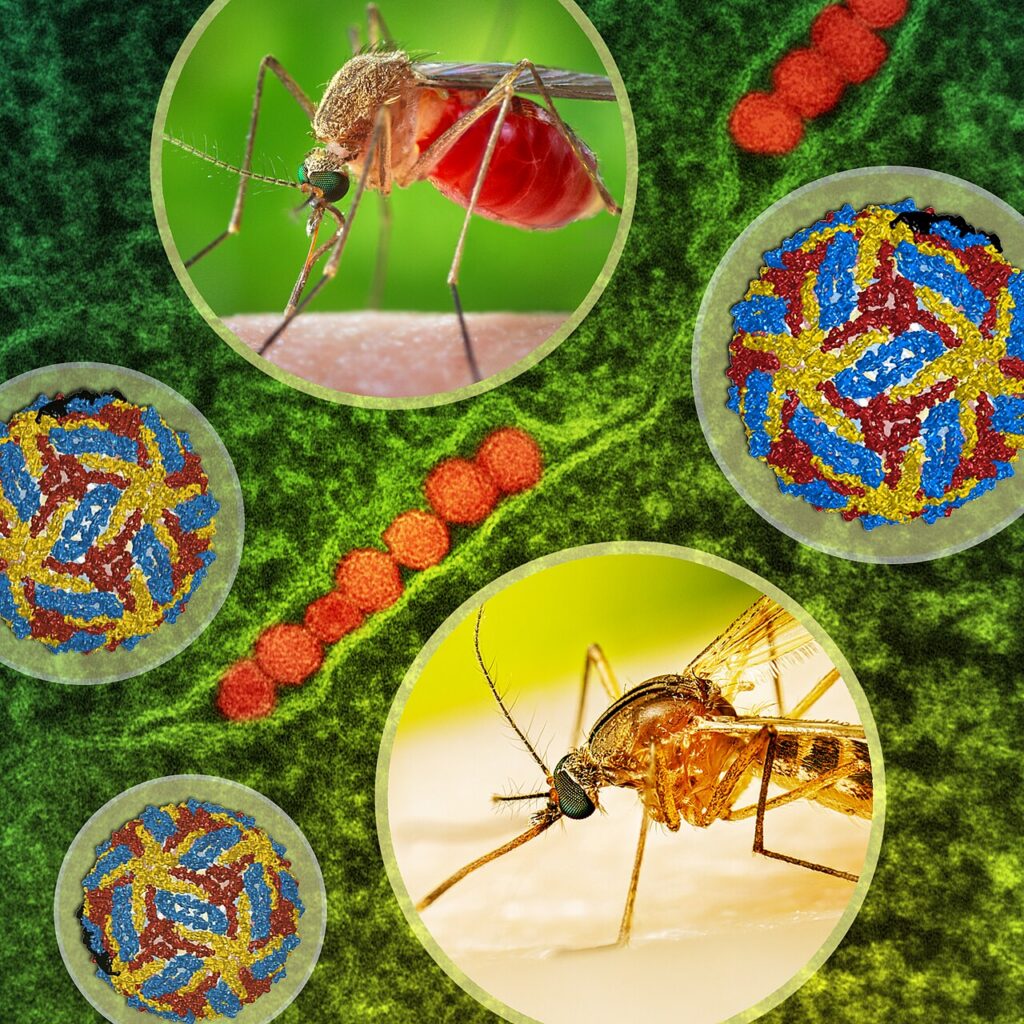
Researchers use the term “mosquito disease days” to describe days when temperatures fall within the range that allows Culex mosquitoes (in photo), the primary carriers of West Nile virus (in photo) in the United States, to efficiently spread disease. Climate Central’s analysis found that cities now experience an average of 18 more mosquito disease days annually than they did decades ago. Longer stretches of favorable temperatures allow mosquitoes to emerge earlier in spring, remain active later into autumn, and potentially extend the transmission season.
Some Cities Have Seen Dramatic Increases

The increases are not spread evenly across the country. San Francisco recorded the largest jump, adding 52 mosquito disease days each year since 1970. Reno followed with 50 additional days, while Santa Maria, California; Albany, Georgia; and Salinas, California also experienced increases well above the national average. Regionally, the Southeast, Northeast, and Northwest have each gained roughly 20 additional mosquito disease days annually, highlighting how warming temperatures are affecting areas with very different climates.
Heat Doesn’t Just Keep Mosquitoes Alive

Warmer weather speeds up much more than mosquito activity. According to vector control experts in Southern California, higher temperatures accelerate mosquito development, allowing young mosquitoes to mature faster and increasing overall populations. Brian Reisinger of the West Valley Mosquito and Vector Control District explained that while people may assume extreme heat kills mosquitoes, warmer conditions can instead boost production of new generations, leading to rapid population growth during heat waves.
Temperature Is Only Part of the Story
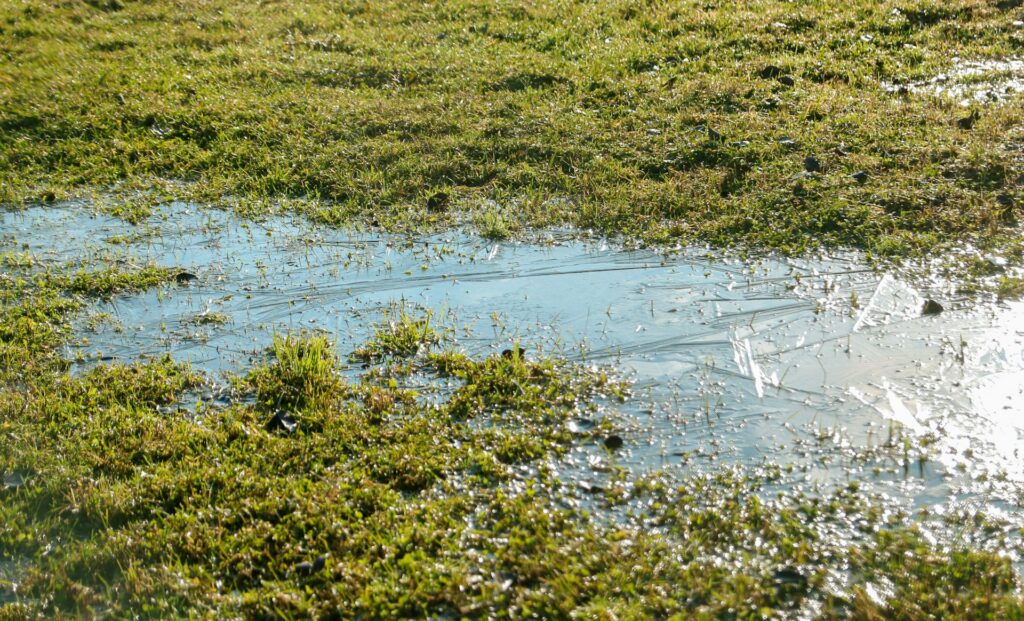
Scientists emphasize that mosquitoes respond to far more than heat alone. Heavy rainfall creates standing water where mosquitoes lay eggs, while drought can also increase West Nile virus transmission by concentrating birds and mosquitoes around scarce water sources. Higher humidity, changing ecosystems, urban development, and international travel all influence where mosquitoes thrive and how diseases spread. Climate change can intensify both heavy rain and drought, making mosquito behavior increasingly complex rather than following a single predictable pattern.
Why Health Officials Are Paying Attention

West Nile virus remains the most common mosquito-borne disease in the United States, with roughly 2,000 reported cases each year and infections typically peaking during August and September. While many infected people experience no symptoms, some develop serious neurological illness. Beyond West Nile, mosquitoes in the U.S. can also transmit dengue, Zika, chikungunya, and, in limited circumstances, malaria. Scientists note that only a small fraction of America’s more than 200 mosquito species spread diseases to humans, but the species that do have significant public health importance.
Some Mosquitoes Are Moving Into New Territory
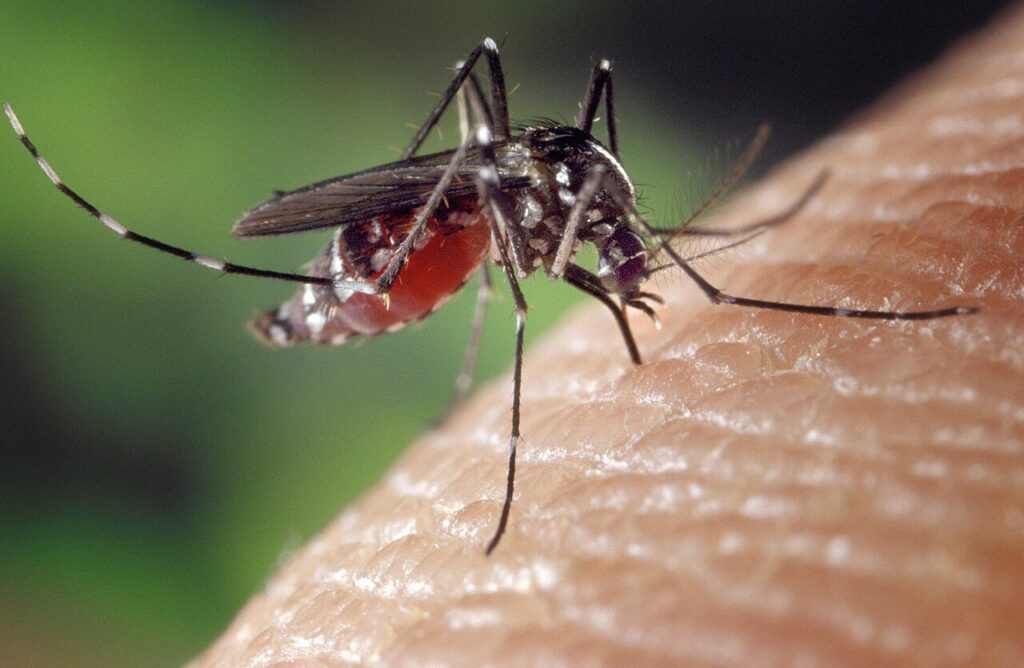
Researchers are also watching mosquito ranges expand into places where they were once uncommon. In Connecticut, mosquito monitoring programs have detected invasive species such as the Asian tiger mosquito (in photo), which can carry dengue and Zika viruses. Experts say warming temperatures are allowing these mosquitoes to establish themselves farther north than in previous decades. Similar shifts are raising concerns that diseases traditionally associated with tropical or subtropical regions could become more common in historically temperate parts of the country.
Monitoring Often Prevents Bigger Problems
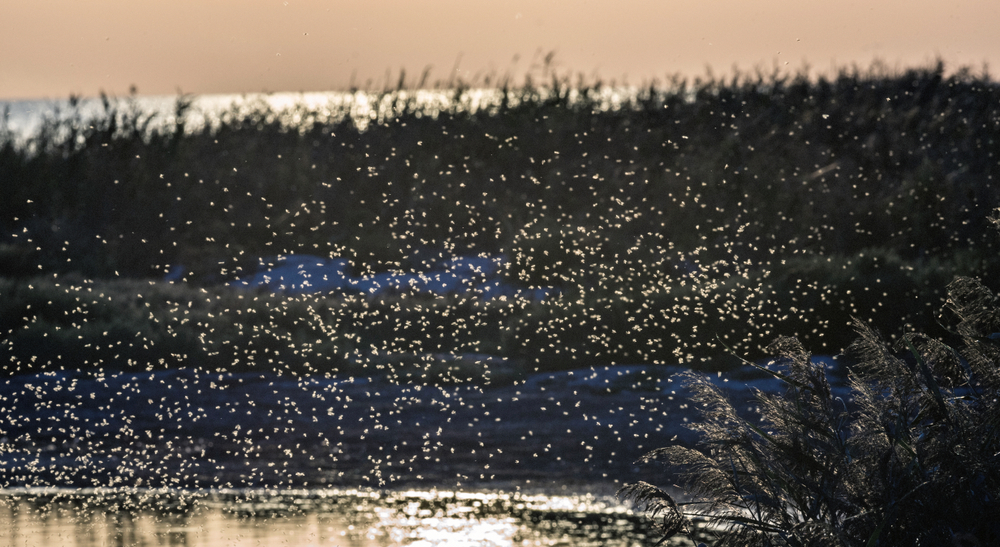
Finding disease-carrying mosquitoes before people become sick is one of public health’s most effective tools. Scientists involved in mosquito surveillance say testing mosquito populations allows officials to identify viral “hot spots” before human infections appear. However, surveillance remains uneven across the country, relying on a patchwork of local mosquito control agencies with varying resources. Some experts argue that stronger national monitoring would help communities respond more quickly as mosquito activity changes.
Not Every Place Faces the Same Risk

Although warming generally creates more opportunities for mosquito-borne disease, researchers caution that the relationship is not identical everywhere. Mosquitoes and the viruses they carry have optimal temperature ranges, meaning extremely high temperatures can sometimes reduce transmission in certain locations. Scientists also stress that climate is only one factor among many influencing outbreaks, making local conditions, mosquito species, and human behavior critical pieces of the puzzle.
Why Prevention Will Matter Even More
As hotter summers become more common, experts expect mosquito control to become increasingly important alongside public awareness. Simple actions such as removing standing water around homes, cleaning containers where rain collects, and supporting local mosquito control programs can reduce breeding opportunities. At the same time, researchers continue tracking how warming temperatures reshape mosquito populations so communities can prepare for changing disease risks before outbreaks become harder to contain.
PetsFanatic Team
Pet Care Expert & Content Creator
Passionate about sharing knowledge and tips for better pet care. Writing about everything from pet health to training techniques.