
Top Medical Researchers Links Adolf Hitler to Rare Medical Disorder, Historians React

A new genetic study suggests Adolf Hitler most likely had Kallmann syndrome, a rare hormonal disorder that disrupts normal sexual development. The conclusion comes from DNA extracted from a blood-stained fabric tied to the room where Hitler died, analyzed by an international team of scientists for the Channel 4 documentary Hitler’s DNA: Blueprint of a Dictator.
Kallmann syndrome can delay or prevent puberty, reduce testosterone, and lead to features such as undescended testicles or a micropenis — traits that researchers say align with historical records about Hitler’s private life.
Historians and psychologists caution that biological findings do not explain Hitler’s ideology or atrocities. They stress genetics alone cannot account for his choices, aggression, or the massive suffering caused under his regime.
What the DNA Evidence Shows
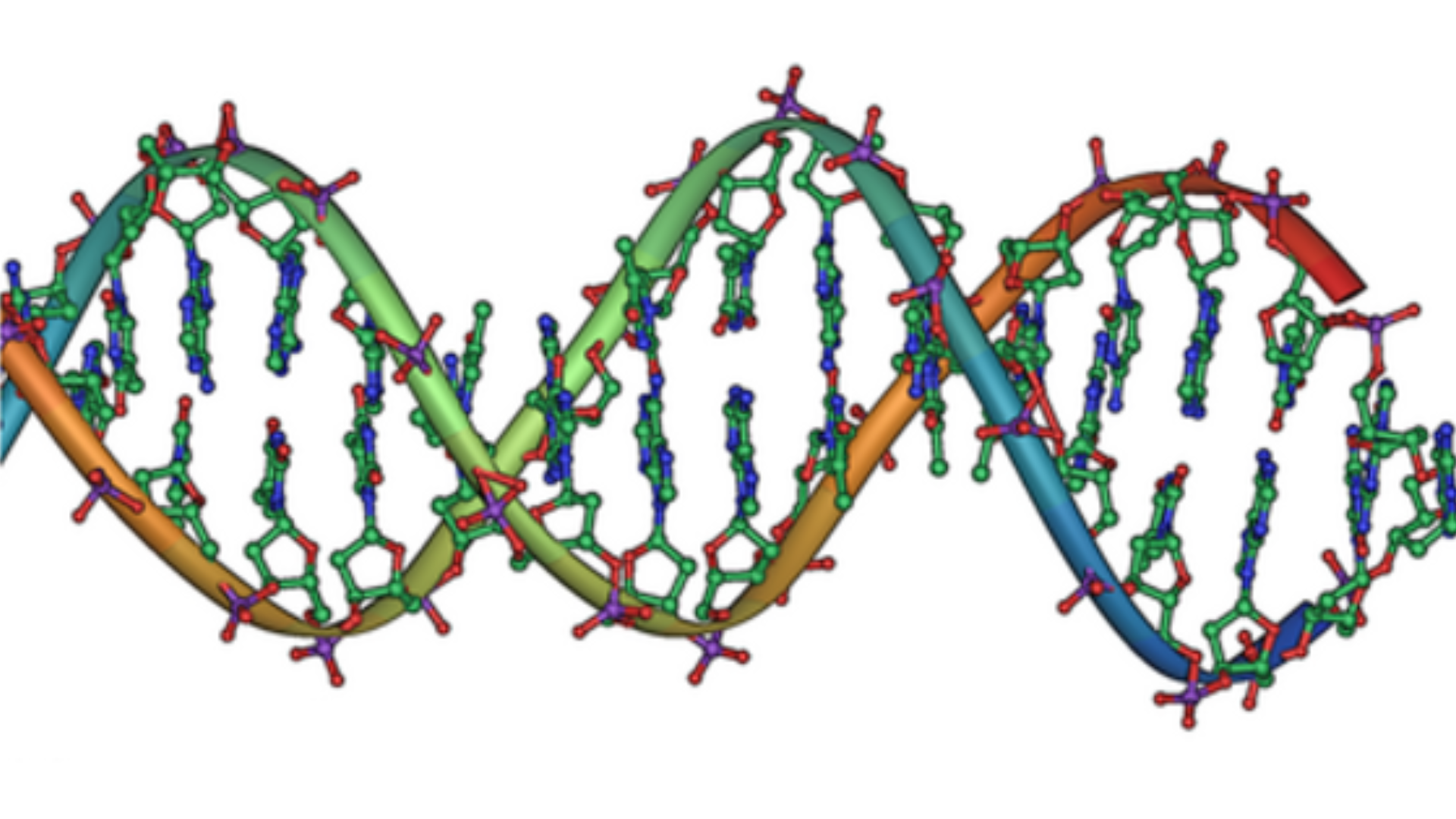
Researchers were able to reconstruct parts of Hitler’s genetic profile from a fragment of fabric believed to contain his blood. Those genetics point to a high likelihood of Kallmann syndrome, characterized by incomplete puberty and hormone irregularities that can affect sexual development.
In addition to the rare genetic disorder, the analysis also placed Hitler in the top one percent of the population for polygenic risk scores linked to autism, schizophrenia, and bipolar disorder. Experts emphasize that these scores indicate statistical predispositions, not diagnoses.
The DNA work also debunks longstanding rumors that Hitler had Jewish ancestry, confirming his paternal genetic line matched known relatives and lacked outside lineage.
Historians and Experts React With Caution

Historians note that Hitler’s sometimes distant relationships and intense focus on politics have long puzzled scholars. Some say the biological findings might contextualize aspects of his personal life, such as discomfort with intimacy or avoidance of long-term partnerships.
Psychologists involved in the project warn strongly against equating genetic traits with morality or violent behavior. They note most people with similar conditions are neither violent nor cruel, and that behavior is never 100% genetic.
Critics of the documentary format also argue that using polygenic risk scores to infer personality traits or psychiatric conditions in a historical figure is speculative and should be interpreted cautiously.
What This Means for Historical Understanding

The research adds a new dimension to discussions about Hitler’s life but does not rewrite established history. Experts agree that ideology, political context, and individual choice remain central to explaining his actions.
By examining genetics alongside historical records, scholars hope to shed light on how personal biology may intersect with documented behavior — without reducing complex historical phenomena to simple biological determinism.
Ultimately, the findings generate questions about how we study historical figures and the limits of genetic analysis in understanding human behavior, especially regarding individuals associated with massive historical suffering.
PetsFanatic Team
Pet Care Expert & Content Creator
Passionate about sharing knowledge and tips for better pet care. Writing about everything from pet health to training techniques.