
History Channel Finds Tragic NASA Challenger Wreckage After 37 Years
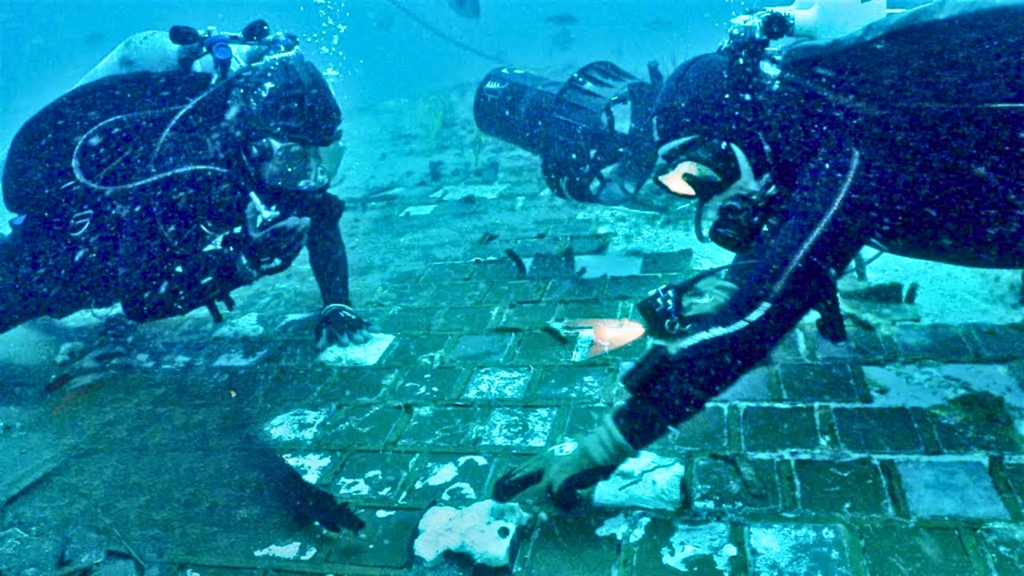
While filming a documentary in the heart of the Bermuda Triangle, a History Channel film crew stumbled upon a haunting piece of space history that had been lost for nearly four decades. The team was originally searching the ocean floor for lost World War II aircraft when they spotted a large, sand-obscured object that clearly wasn’t a plane. Measuring several meters across and covered in distinct 8-inch square tiles, the debris was quickly suspected to be something much more significant than a downed bomber.
After the crew contacted NASA for an official analysis, the space agency confirmed the tragic truth: the wreckage was a substantial segment of the Space Shuttle Challenger. The shuttle famously broke apart just 73 seconds into its flight on January 28, 1986, a disaster that claimed the lives of all seven astronauts on board. This discovery marks the first major find of Challenger debris in more than 25 years, providing a somber reminder of a tragedy that remains seared into the global memory.
NASA Administrator Bill Nelson noted that the find offers a fresh opportunity to reflect on the legacies of the seven daring and brave explorers lost that day. While the original 1986 salvage operation was the largest ever attempted, recovering 118 tons of material, NASA acknowledges that many pieces of the shuttle likely still rest on the Atlantic floor. This accidental discovery has transformed a routine treasure hunt into a profound moment of national reflection.
The Mystery of the Cursed Triangle Discovery

The History Channel crew was working on the program The Bermuda Triangle: Into Cursed Waters when they made the find off the coast of Florida. Historically, the Bermuda Triangle became a focal point of mystery following the 1945 disappearance of Flight 19, where five Navy bombers vanished after their compasses failed. While modern studies suggest the area isn’t statistically more dangerous than other parts of the ocean, the cursed reputation persists in popular culture.
The wreckage was identified primarily by its thermal protection tiles, which divers noted were 20-centimeter squares. These tiles were a signature component of the space shuttle’s belly, designed to protect the spacecraft from the intense heat of re-entry. Unlike the metal skin of the World War II aircraft the team was seeking, these ceramic-like squares pointed directly toward Florida’s history as a big launch pad for NASA.
NASA’s confirmation of the artifact’s origin has reignited discussions about the 1986 disaster, which was caused by the failure of two O-rings in a rocket booster joint. The fact that such a large piece could remain hidden for 37 years despite the massive initial search efforts highlights the vastness of the underwater terrain. For the divers, the transition from searching for old warplanes to touching a piece of the Challenger was a shift from curiosity to deep reverence.
A 118-Ton Legacy and the Search for Closure

Following the Challenger explosion, the U.S. government launched an unprecedented recovery mission that ultimately located 167 pieces of the orbiter. Despite the recovery of 118 tons of debris, the ocean’s shifting sands continue to reveal fragments of the mission decades later. This new find off the Florida coast serves as a physical link to the seven pioneers who lost their lives: Francis Scobee, Michael Smith, Judith Resnik, Ellison Onizuka, Ronald McNair, Gregory Jarvis, and Christa McAuliffe.
NASA maintains that the core value of safety is its top priority, a lesson reinforced by the Challenger tragedy. The agency uses these discoveries to educate new generations of engineers about the high stakes of space exploration. Administrator Nelson emphasized that the tragedy changed the agency forever, forcing a total re-evaluation of how missions are conducted and how risks are managed.
The discovery has also provided a strange form of closure for the public, as it brings the Challenger back into the headlines for its bravery rather than just its end. While the piece found by the History Channel will likely be preserved or memorialized according to NASA protocols, it stands as a testament to the daring and brave spirit of exploration. It is a reminder that even in an area as mythologized as the Bermuda Triangle, the most significant finds are often rooted in real-world history.
Protecting History Beneath the Waves
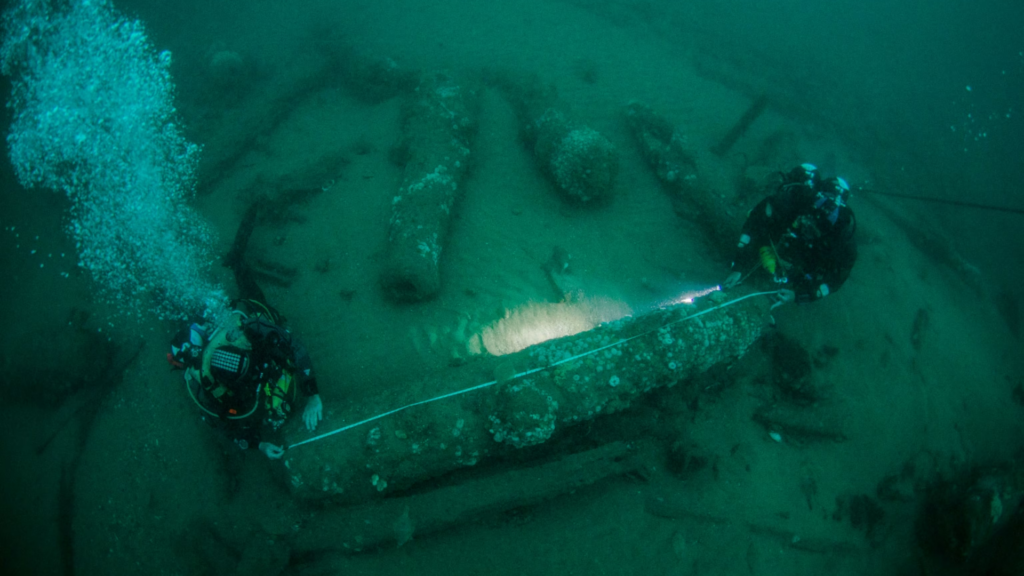
Under federal law, all shuttle artifacts remain the property of the U.S. government. NASA is currently evaluating the best way to handle this new piece of history, ensuring it is treated with the respect owed to the fallen crew. The agency’s protocol usually involves documenting the site and potentially recovering the material if it is at risk of being lost or looted.
This find underscores the ongoing importance of underwater archaeology in preserving the story of human flight. While the History Channel’s methods are sometimes described as sensationalist, their dedication to exploring Cursed Waters has inadvertently contributed a major piece to the historical record. It proves that even in well-traveled waters, there are still significant stories waiting to be uncovered by those who keep looking.
The Challenger wreckage is more than just scrap metal; it is a symbol of American resilience. As NASA prepares for future missions to the Moon and Mars, the lessons of 1986 remain at the forefront of their operations. This 37-year-old discovery ensures that the legacy of the Challenger crew continues to inspire and caution explorers for years to come.
PetsFanatic Team
Pet Care Expert & Content Creator
Passionate about sharing knowledge and tips for better pet care. Writing about everything from pet health to training techniques.