
Hiker Shares Photo of Tourist’s Dangerous Behavior Near a Deadly Drop at National Park
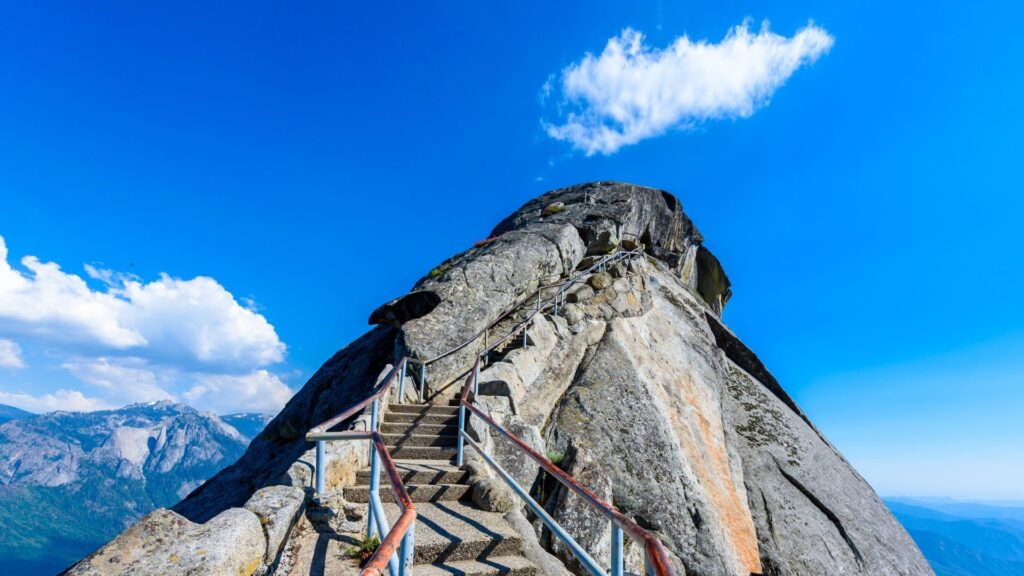
A hiker captured a troubling moment at Sequoia National Park that highlights a growing safety concern at popular trails across the country. The photo, shared on Reddit’s r/NationalPark forum, shows a visitor standing in a no-stopping zone on Moro Rock, a granite dome that rises 6,725 feet above sea level. The person had stopped to take photos despite being positioned between two sheer drops, creating a dangerous situation on one of California’s most visited hiking destinations.
The original poster described the individual as a “touron,” a term combining “tourist” and “moron” used by outdoor enthusiasts to describe visitors who don’t understand how to behave safely in national parks. Examples include approaching wildlife like bison or elk for close-up photos, ignoring safety barriers, or treating protected wilderness like a theme park. The hiker explained they were standing on the correct side of the safety rail when they took the photo, while the visitor in question had positioned themselves on a sheer drop.
Moro Rock’s summit trail is a quarter-mile climb featuring 400 steps built in 1931 by the Civilian Conservation Corps, replacing an earlier wooden staircase from 1917. The trail ascends 300 feet to the 6,725-foot summit and offers panoramic views of the Great Western Divide and the Middle Fork of the Kaweah River valley below. Despite safety railings installed along most of the route, sections of the trail feature exposure to significant drops, requiring hikers to remain on designated paths and follow posted safety guidelines.
Trail Markers and Safety Rails Exist for Critical Reasons

National parks mark trails for both human safety and environmental protection, yet visitors frequently ignore these boundaries. According to the National Park Service, off-trail hiking accounts for numerous injuries and deaths each year, with falls from cliffs and steep terrain ranking among the most common causes of fatal accidents. Safety rails and designated stopping zones help manage foot traffic on narrow, exposed trails where one wrong step could result in a fall of hundreds or thousands of feet.
Visitors should never venture off marked trails, even when seeking a better photo opportunity or when alternate routes appear safe. Trails are designed to minimize erosion, protect sensitive vegetation, and keep hikers away from unstable ground that may not be obvious to untrained observers. Wandering off-trail can damage fragile ecosystems that take decades to recover, while also creating informal paths that encourage other visitors to follow, multiplying environmental harm over time.
No-stopping zones exist in areas where lingering creates hazards for both the individual and other hikers. On narrow trails with exposure to deadly drops, stopping forces other visitors to navigate around the stationary person, potentially pushing them closer to dangerous edges. These zones also appear where loose rock, unstable footing, or limited visibility make extended stops particularly risky. Ignoring these designated areas demonstrates a disregard for collective safety in spaces shared by thousands of visitors.
Photography Should Never Compromise Safety or Wildlife

While capturing memories is part of the national park experience, photography is not worth risking lives or holding up traffic on precarious trails. The desire to get “the shot” for social media has led to a documented increase in accidents, with visitors stepping too close to cliff edges, entering restricted areas, or creating dangerous situations for others. Park rangers consistently report that many injuries and deaths could have been prevented if visitors had prioritized safety over getting the perfect angle.
Sound pollution represents another frequently overlooked issue in national parks. When visitors blast music from phones or engage in loud conversations, they disrupt the natural environment that wildlife depends on for survival. Excessive noise can cause native animals to abandon traditional habitats, alter migration patterns, or become stressed. Park regulations require visitors to follow wildlife viewing guidelines, including maintaining minimum distances of 25 yards from most animals and 100 yards from bears and wolves, to prevent dangerous encounters.
National parks house working ecosystems, even when visitor centers and gift shops suggest otherwise. These protected lands contain caves millions of years old, bodies of water home to ancient species, and terrain supporting old-growth trees that existed long before modern civilization. Visitors share these spaces with fragile natural systems requiring careful stewardship. Understanding environmental responsibility extends beyond not littering to include respecting wildlife, minimizing noise pollution, staying on designated trails, and recognizing that human activity has a direct impact on the landscape.
Responsible Tourism Protects Parks for Future Generations

Access to national parks remains a privilege available to everyone, regardless of appearance, age, or physical ability, but it requires responsible behavior from all visitors. Each year, millions of people enjoy trails like Moro Rock, and their collective actions determine whether these places remain accessible and pristine. When individuals prioritize personal desires over established safety protocols, they create risks that can result in trail closures, increased restrictions, or tragic accidents affecting entire communities of outdoor enthusiasts.
Park rangers and staff work continuously to balance public access with preservation, a task made more difficult when visitors disregard clearly posted rules and safety measures. The National Park Service manages these lands for current and future generations, meaning today’s careless behavior can have lasting consequences. Erosion from off-trail hiking, wildlife displacement due to noise pollution, and accidents resulting from reckless photography all contribute to degradation that diminishes the experience for everyone who follows.
Responsible park behavior means staying on marked trails, observing no-stopping zones, keeping noise to a minimum, and recognizing that no photograph is worth a life. When another Reddit commenter questioned why the photographer was also taking pictures, the original poster clarified that they remained on the correct side of the safety rail while the other visitor had positioned themselves on a sheer drop.
PetsFanatic Team
Pet Care Expert & Content Creator
Passionate about sharing knowledge and tips for better pet care. Writing about everything from pet health to training techniques.