
Hidden Lake Discovered Beneath the USA Could Rewrite Earth’s History
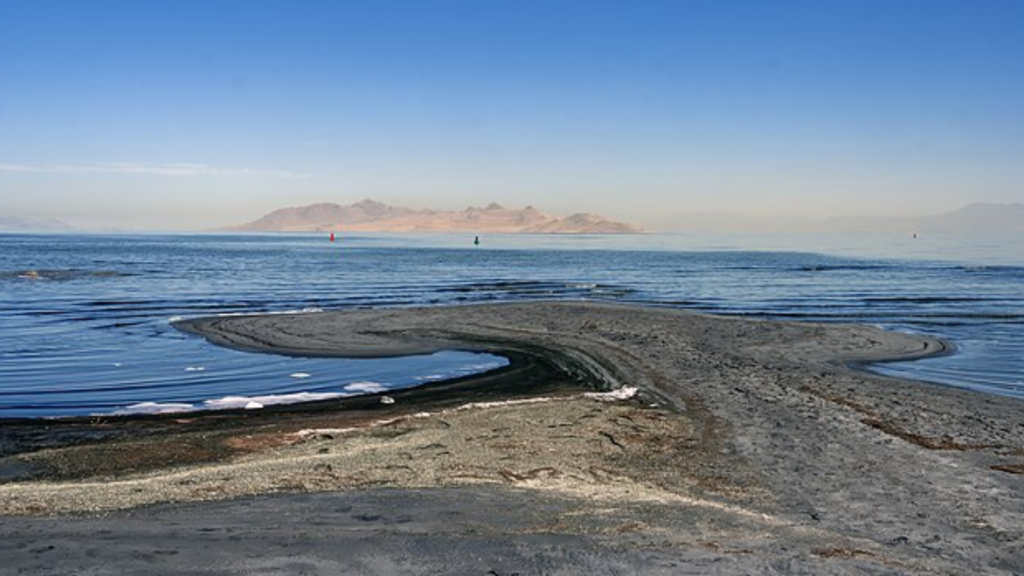
Scientists have recently discovered evidence of a massive freshwater reservoir hidden deep beneath the Great Salt Lake in Utah, a finding that could reshape how researchers understand the region’s hydrology and Earth’s geological past. The discovery comes from airborne electromagnetic surveys that detected fresh, low‑salinity water beneath the salty surface of the Great Salt Lake, challenging long‑held assumptions about what lies under the saltiest lake in the Western Hemisphere. Preliminary results suggest this vast underground water body extends far deeper than expected, reaching several kilometers below the lakebed and hinting at processes that operated over thousands or even millions of years.
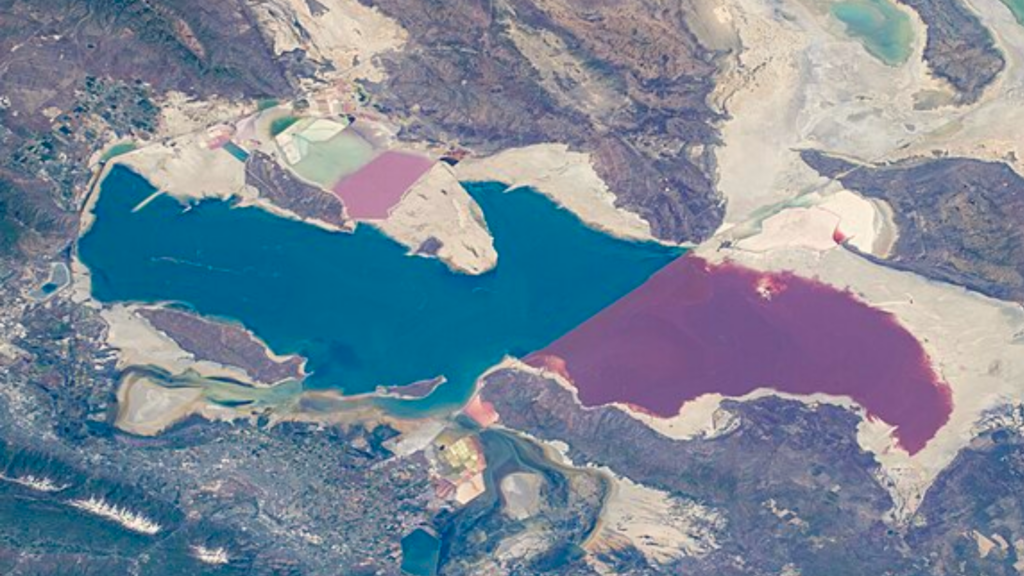
The unexpected freshwater reservoir was first hinted at when scientists noticed strange circular mounds of phragmites reeds rising from the exposed lakebed as water levels dropped, prompting questions about their source. Researchers then used airborne electromagnetic (AEM) surveys to map subsurface structures under Farmington Bay and Antelope Island, enabling them to “X‑ray” beneath the salty surface and distinguish freshwater from brine. This breakthrough mapping method allowed scientists to trace the freshwater‑saturated sediments down to depths of 3 to 4 kilometers, revealing a much larger and more complex hydrological system than previously known.
The discovery is significant because it shows freshwater not only at the fringes of the lake, where it typically enters from mountain snowmelt, but potentially beneath large portions of the basin itself. If future surveys confirm that the reservoir spans much of the lake’s footprint, it could transform scientific understanding of groundwater flow in arid regions and indicate that hidden freshwater systems may be more common than previously thought. While more research is needed to detail the full size and age of the underground body, the implications reach beyond local water management to broader insights into Earth’s deep freshwater processes.
What This Hidden Reservoir Reveals
The seemingly odd landscape features that inspired this research circular mounds of tall reeds provided the first clues that fresh water was rising under pressure from deep beneath the lakebed. These mounds appear in areas where fresh groundwater pushes upward through salt‑saturated sediments, creating conditions where freshwater‑loving plants can thrive despite the lake’s overall salinity. This kind of surface signal is rare and serves as a visual clue to the complex interactions between surface conditions and the hidden water system below.
AEM technology, which involves flying electromagnetic sensors over the lake to detect differences in electrical conductivity, allowed scientists to map where freshwater saturated sediments lie relative to the salty water above. Because saltwater conducts electricity differently than freshwater, the resulting data can pinpoint where freshwater persists deep underground, making it possible to estimate how far water extends below the lake surface. Early data indicate that fresh water may saturate sediments multiple kilometers below the lake, a depth far greater than previously anticipated for such systems.
Understanding the distribution and volume of this hidden freshwater could have practical benefits, such as helping mitigate dust pollution that threatens communities around the Great Salt Lake when its exposed lakebed dries. Toxic dust from the dry lakebed has been a growing concern for public health, and knowing where fresh water exists could inform future environmental management strategies. However, scientists caution that extracting this water without disrupting the fragile groundwater balance would require careful study and planning.
Why This Discovery Matters to Earth’s History
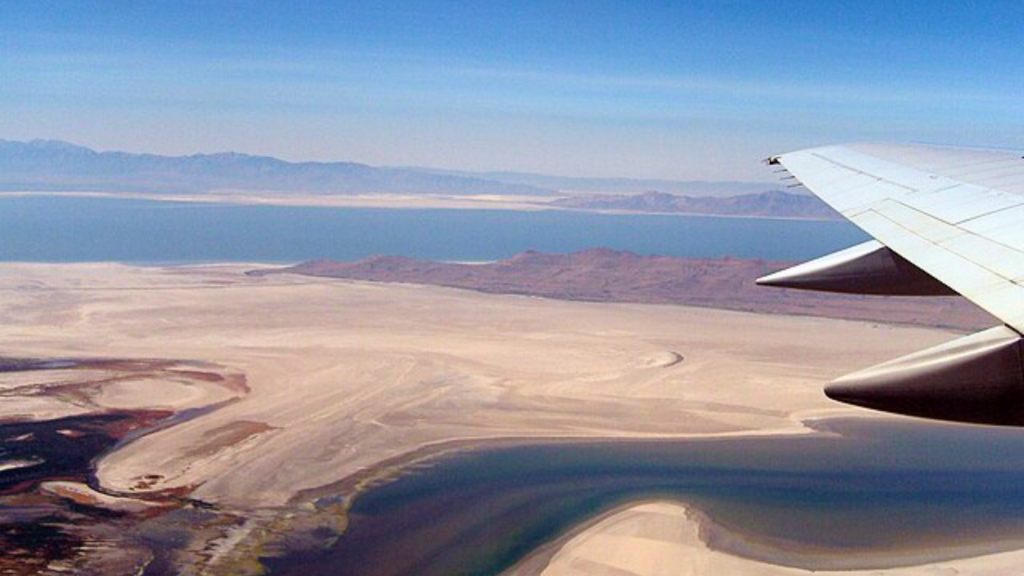
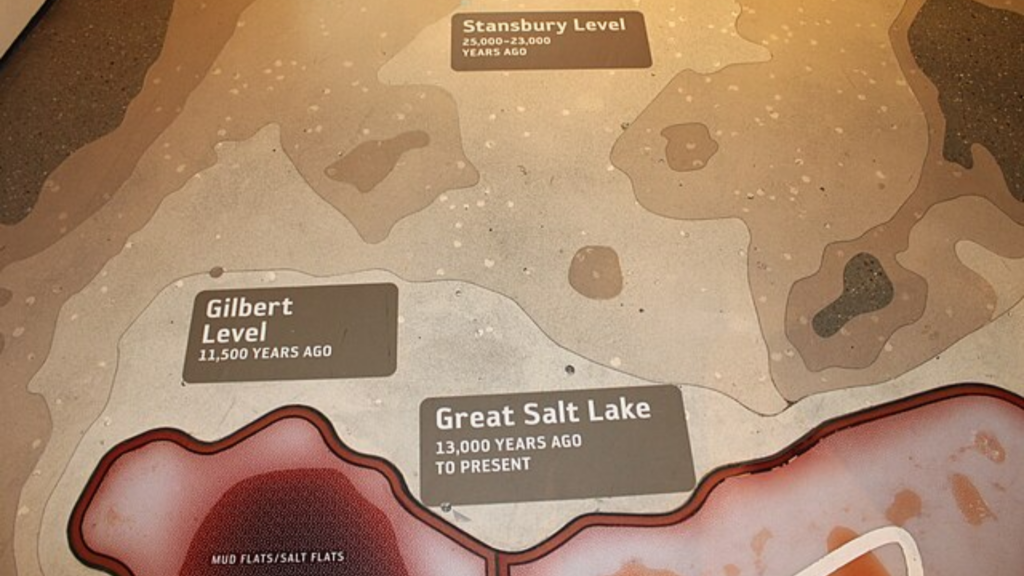
The hidden reservoir beneath the Great Salt Lake not only offers a new resource to study but also opens up questions about geological processes that have shaped the region for millions of years. The fact that freshwater has persisted and accumulated at great depths suggests a long‑term balance of inputs such as ancient snowmelt and mountain runoff and geological trapping mechanisms that have kept it isolated beneath saline water. These processes provide clues about how Earth’s climate and hydrology have changed over deep time.
If further research confirms that similar hidden freshwater systems exist under other terminal lakes or in arid landscapes around the world, scientists may need to revise current models of continental water storage and subsurface hydrology. This could have implications for how water resources are evaluated globally, particularly in regions that face severe drought and increasing demand. It also highlights the importance of advanced geophysical tools in uncovering Earth’s hidden features, demonstrating that even well‑studied landscapes may harbor surprises.
In addition to environmental and hydrological significance, uncovering such deep underground water bodies may prompt researchers to investigate how ancient climates and tectonic movements influenced where and how water became trapped. This could yield deeper insights into the history of landscapes that have undergone dramatic shifts over geological time, offering a rare window into processes usually hidden from view.
A Hidden Chapter Beneath the Surface
The discovery of a massive freshwater reservoir hidden beneath the Great Salt Lake highlights how much remains to be learned about the Earth’s subsurface and the unexpected ways water can be stored in our planet’s crust. By revealing this previously obscured feature, researchers are gaining valuable clues that may rewrite aspects of regional geology and hydrology. These insights challenge conventional expectations about where freshwater can be found and how it behaves beneath hostile surface environments like hypersaline lakes.
As scientists continue to expand surveys and apply new technologies to study this hidden water, they hope to better understand its true extent, origin, and potential uses. While immediate applications for human use remain uncertain, the findings provide a stronger foundation for future research, from environmental management to water resource science. This discovery reinforces that Earth still holds many secrets beneath its surface, waiting to reshape our understanding of its history and dynamics.
In the coming years, multidisciplinary efforts combining geology, hydrology, and climate science will be crucial to explore how widespread and influential these hidden freshwater systems may be. Whether they prove common or exceptional, discoveries like this emphasize the value of continued exploration and scientific curiosity in uncovering Earth’s hidden wonders.
PetsFanatic Team
Pet Care Expert & Content Creator
Passionate about sharing knowledge and tips for better pet care. Writing about everything from pet health to training techniques.