
Hidden Insect Found Alive Despite 80 Years of Extinction
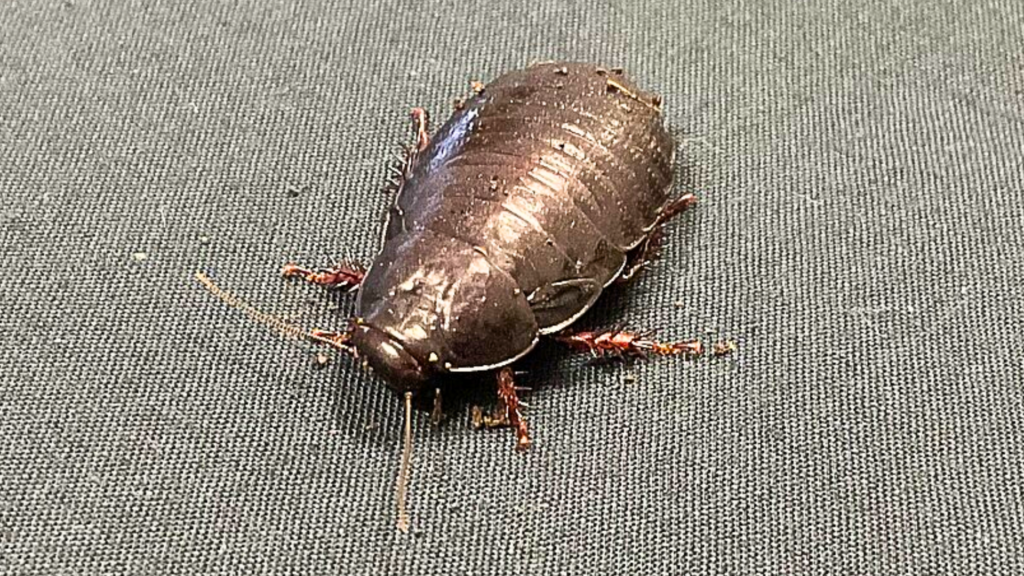
A university student lifted a single rock under a banyan tree and undid eight decades of extinction records. The Lord Howe Island wood feeding cockroach had not been seen since the 1930s, long enough that scientists had written it off entirely. Then a student flipped over the right rock at the right moment. What was supposed to be gone forever had been quietly surviving under one tree the entire time.
This Insect Never Lived Anywhere Else on Earth

This insect was never common anywhere else on Earth to begin with. The Lord Howe Island wood feeding cockroach, known scientifically as Panesthia lata, lived only on this remote Australian island archipelago. Scientists believe it vanished from the main island after rats arrived in 1918, wiping out a population that had thrived there for generations. For more than 80 years, it existed only in old records and museum collections.
The Search Started Under the Shade of One Tree
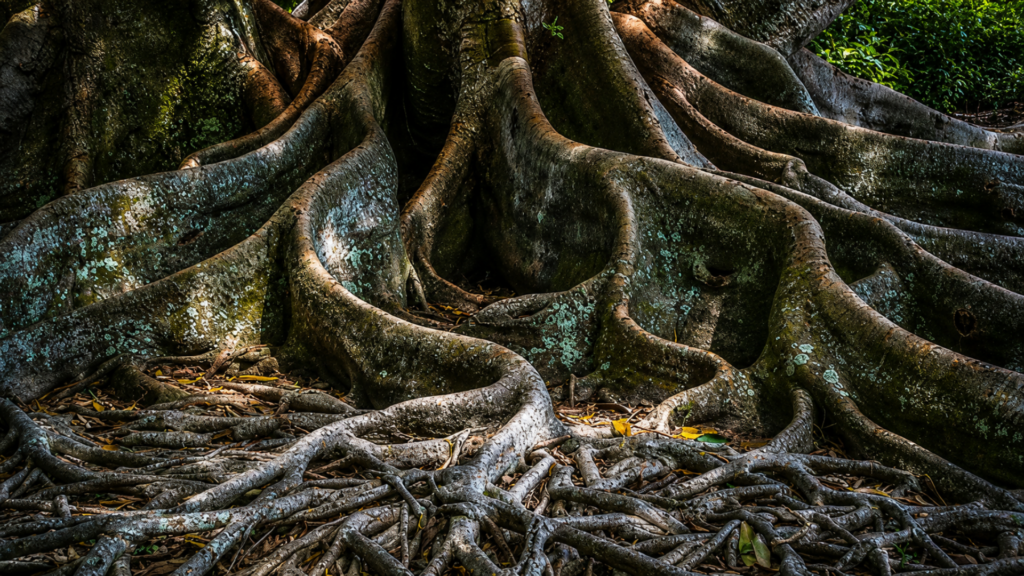
Finding the cockroach required going somewhere most people never bother to reach. University of Sydney Honours student Maxim Adams was exploring North Bay, a secluded beach only reachable by foot or water, alongside senior scientist Nicholas Carlile of the NSW Department of Planning and Environment. Their search began under the shade of a single large banyan tree. Neither of them expected that one tree to change everything.
Every Other Tree in North Bay Came Up Empty

One banyan tree held the entire discovery, and nothing else came close. Under that single tree, the team found whole families of the cockroach living together. For the rest of the week, Adams and his professor checked under every other banyan tree in North Bay. They found nothing. That one tree, out of dozens searched, was the only place the species had managed to hang on.
This Wasn’t Just a Colony That Wandered Over

A surprising genetic twist made this discovery even more significant. Scientists already knew close relatives of the cockroach survived on two tiny offshore islands near Lord Howe. This newly found population, though, turned out to be genetically distinct from those known survivors. That difference means the main island group had been quietly surviving on its own the whole time, not simply drifting over from a nearby colony.
“No, It Can’t Be”: The First Ten Seconds of Disbelief

Some discoveries take a few seconds to fully register. Maxim Adams described the moment he lifted the rock and saw the cockroach underneath. According to Adams, his first reaction was “No, it can’t be.” That instinct to doubt his own eyes says a lot about how thoroughly this species had been written off. Sometimes disbelief is the surest sign a discovery is real.
One Survivor Just Joined a Remarkable Island Roster

News of the rediscovery reached far beyond the research team itself. Lord Howe Island Board Chair Atticus Fleming responded to the find with clear enthusiasm. According to Fleming, “the survival is great news,” especially given more than 80 years had passed since anyone last saw the species. The island itself hosts 1,600 native invertebrate species, half found nowhere else on Earth. One more survivor just joined that remarkable list.
Even Its Own Name Might Be Slightly Wrong

Even the cockroach’s own name might be slightly wrong. Nicholas Carlile suggested the insect behaves less like a typical wood dweller than its common name implies. According to Carlile, “we now believe they are more of a rock roach,” since rocks appear to be just as central to their habitat as rotting logs. That shift matters for conservation too, since scientists no longer need to consider moving cockroaches back from offshore islands.
“There Is Still So Much to Learn,” Say Researchers

A rediscovery like this raises more questions than it answers. Professor Nathan Lo, who leads research on the species’ molecular ecology, said plainly, “there is still so much to learn.” His team plans to study the cockroach’s habitat, behavior and genetics to understand exactly how it survived undetected for so long. The insect itself measures 22 to 40 millimeters long, with a metallic body ranging from reddish to black.
The Extinction That Never Actually Happened

That single banyan tree now holds a lot more meaning than it did before one rock got lifted. A species written off for more than 80 years turned out to be quietly surviving the entire time, waiting for someone to look in exactly the right spot. Researchers still have years of study ahead to understand how it pulled that off. For now, the tree that hid an extinction that never really happened is finally getting the attention it deserves.
PetsFanatic Team
Pet Care Expert & Content Creator
Passionate about sharing knowledge and tips for better pet care. Writing about everything from pet health to training techniques.