
Hidden Lake Creature in California Sheds Light on Ancient Evolutionary Secrets

Mono Lake in California hides more than eerie rock towers and strange waters. Beneath its salty surface, scientists have uncovered a microscopic clue to how life may have started on Earth. A tiny, single-celled organism living alongside bacteria in this harsh lake could help explain how early creatures began working together millions of years ago. It’s a modern peek into life’s oldest experiment in cooperation.
Mono Lake’s Harsh but Thriving Ecosystem

Mono Lake sits in California’s Eastern Sierra Nevada, surrounded by tall peaks and quiet desert. Its salty, alkaline waters may look lifeless, yet the lake teems with creatures that have learned to thrive where most can’t. Brine shrimp and alkali flies inhabit the water and provide food for countless birds each year. Strange limestone towers rise from the surface, shaped by minerals over the course of centuries. The place feels otherworldly, yet it teems with life, having adapted to survive in extreme conditions.
A Microscopic Discovery from the Depths

Researchers from UC Berkeley found something unexpected in Mono Lake’s salty waters. A single-celled organism called a choanoflagellate, one of the closest living relatives of animals, showed up under the microscope. The discovery excited scientists because it provides a rare glimpse into how early life might have evolved. The tiny organism thrives where few others can, so it’s helping researchers understand how complex life may have started millions of years ago.
Meet Barroeca Monosierra

Scientists named the newfound organism Barroeca monosierra. It’s a choanoflagellate, a single-celled creature that shares ancestry with animals but isn’t one itself. What makes it stand out is how it forms floating, hollow colonies composed of nearly identical cells. Each cell uses a whip-like flagellum to move, creating graceful spinning clusters. The colonies may seem simple, yet they hold secrets about how early single-celled organisms began to organize into multicellular life.
A Simple Creature with Its Own Microbiome

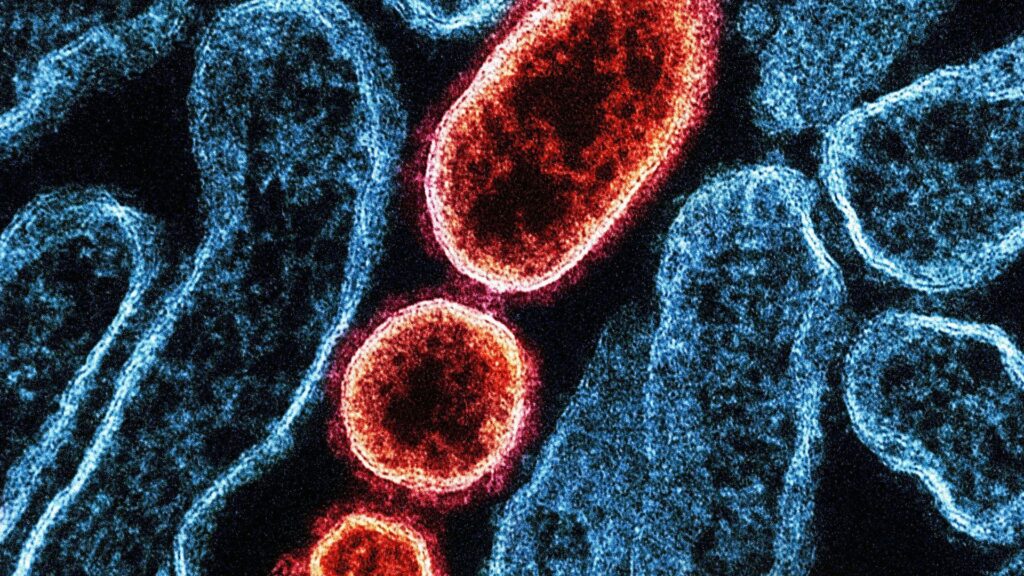
Barroeca monosierra doesn’t act like most single-celled organisms. Instead of feeding on bacteria, it forms a stable partnership with them. The bacteria live inside the colony, protected within its hollow center. Scientists believe the cells may even build a structure to house their bacterial neighbors. That setup makes it the simplest known organism with a microbiome, giving researchers a closer look at how early life might have started forming connections between different species.
How Bacteria and Choanoflagellates Coexist

Scientists studying Barroeca monosierra found something unexpected inside its colonies. Instead of being eaten by bacteria, they were living there, tucked safely within the hollow sphere. Some species seemed to thrive in the low-oxygen space more than others. Researchers believe the choanoflagellate may be providing shelter or even farming them for nutrients. The two organisms appear to benefit from each other, showing how cooperation may have helped early life survive in extreme places.
From Ancient Oceans to Modern Insights

Researchers studying choanoflagellates at UC Berkeley see them as time capsules of early evolution. These organisms share ancestry with the first multicellular life that once floated through ancient oceans. Their behavior and structure provide scientists with a means to trace how single cells may have evolved into colonies that functioned together. The discovery at Mono Lake provides modern evidence to long-standing questions about how simple life gradually evolved into complex forms.
DNA Evidence Hidden Inside the Colonies
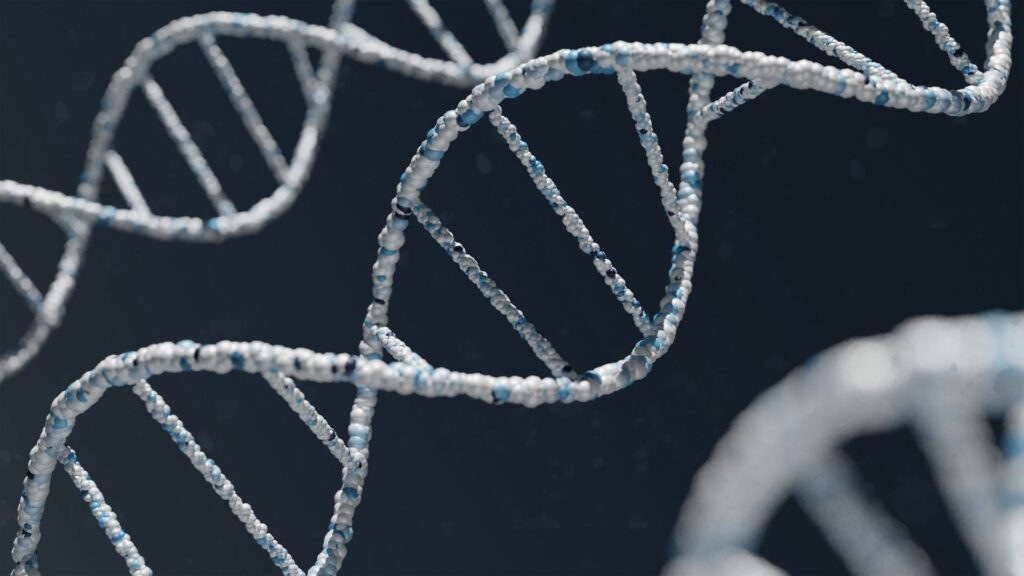
Graduate student Kayley Hake made a surprising discovery after reviving the frozen choanoflagellates. DNA appeared inside their hollow colonies where no cells should exist. The genetic material turned out to be bacterial, marking the first evidence of bacteria living within a choanoflagellate rather than being eaten by it. The bacteria were nestled in a matrix-like structure that the cells may have produced, creating a tiny, shared space where both species could survive together.
Future Research into Life’s Earliest Partnerships

Mono Lake’s choanoflagellates are rare, appearing in only a few samples, yet researchers believe they hold more secrets. Nicole King and her team plan to keep studying how these organisms interact with bacteria. Their work could reveal how ancient partnerships between microbes and single-celled creatures shaped the beginnings of multicellular life. The team’s research connects modern microbial ecology to the earliest biological relationships that eventually influenced life on Earth today.
What the Tiny Lake Dweller Teaches Us
Mono Lake’s hidden creature proves that even the smallest organisms can hold clues about life’s beginnings. Its partnership with bacteria shows how cooperation might have sparked evolution’s next steps. Scientists are still uncovering how these tiny colonies function, and each new discovery contributes to the broader understanding of how life evolved to become more complex. It’s a reminder that nature’s biggest stories often start with something microscopic.
PetsFanatic Team
Pet Care Expert & Content Creator
Passionate about sharing knowledge and tips for better pet care. Writing about everything from pet health to training techniques.